When your cat starts slipping below their ideal size, it’s natural to worry—and it’s the right time to pay attention. Healthy weight gain isn’t about “feeding more”; it’s about finding the real cause, protecting your cat’s metabolism, and rebuilding weight safely.
Many adult domestic cats typically weigh about 3.5–5 kg (7–11 lb), though ideal weight varies by breed, sex, and body frame. If your cat loses weight suddenly or shows red flags like lethargy or vomiting, that’s a medical concern—not just a feeding issue.
Smart weight gain means combining diagnostics, nutrition, and stress reduction so you avoid risks like hepatic lipidosis while following safe, vet-aligned steps.
Is My Cat Underweight?
If you’re wondering “Is my cat underweight?”, a quick hands-on check gives you fast, reliable answers. Start by feeling the ribs, spine, and hips — prominent bones with little padding or a sharp waistline often point to a Body Condition Score (BCS) of 4/9 or lower, so ask your vet to confirm.
Add simple clues: appetite changes, hiding, poor grooming, or a pot-bellied look despite a thin frame (often parasites). A photo-from-above snapshot also helps track shape over time — it catches subtle loss that even regular weighing can miss.
You Might Also Like
Step-by-Step Plan
Restoring a healthy weight starts with a calm, structured plan. Each step builds on the last, helping you move from diagnosis → nutrition → behaviour → monitoring without rushing your cat’s system.
Get Veterinary Clearance First
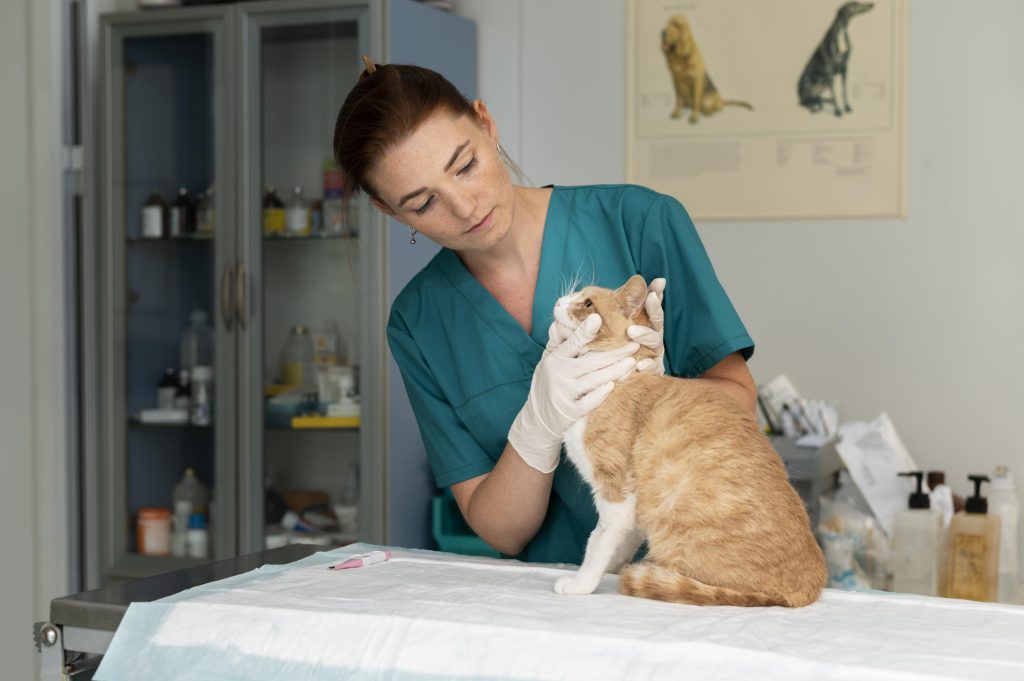
Before changing food, confirm the cause of weight loss. A physical exam, lab work, fecal testing, and a dental check rule out hidden problems like pain, parasites, or illness. If your cat has been eating poorly for several days, your vet may stabilize electrolytes before nutrition begins. This protects your cat from risks like refeeding syndrome.
Build a Safe Daily Calorie Plan
Use your cat’s ideal weight—not their current weight—to set a starting point. A simple rule of thumb many vets use is ideal_weight_kg × 80–100 to estimate daily calories, then adjust slowly as your cat stabilizes.
For example, a 3 kg ideal weight lands around 240–300 kcal/day, giving you a safe foundation for steady weight gain rather than sudden overfeeding.
Increase Calories Gradually Each Week
Once you have a baseline, raise calories by only 10–20% per week. This slow increase prevents stomach upset and avoids metabolic overload. A cat needing 252 kcal/day would move to around 277–302 kcal/day the following week.
Slow progression lets the body adjust while you watch for appetite changes, stool changes, or early red flags.
Choose the Right Foods and Feeding Strategy
High-protein, moist, calorie-dense wet foods work best because they support muscle, hydration, and appetite. Look for formulas geared toward growth or recovery, and offer small, frequent meals—four to six a day—so your cat can eat comfortably without overwhelm.
Warm the food slightly to boost aroma, and keep the feeding area quiet to help nervous cats stay focused. If appetite stalls, your vet may suggest stimulants or short-term assisted feeding.
Support Comfort, Routine and Stress Relief
A predictable routine helps restore appetite. Keep feeding times consistent, reduce household stress, and use pheromone diffusers if needed. A peaceful feeding spot away from other pets can help sensitive or nervous cats feel more secure. Gentle play before meals can also spark appetite, especially for stressed cats adjusting to new environments.
Track Progress Every Seven Days
Weigh your cat weekly using the same scale and time of day. Aim for about 0.5–1% body-weight gain per week. Record photos, food intake, stools, and behaviour so you notice changes early. If there’s no improvement after two weeks—or if vomiting, lethargy, or refusal to eat appears—pause and return to your vet for reassessment.
You Might Also Like
Best High-Calorie Cat Foods to Help Cats Gain Weight
about picking digestible, protein-forward meals that help your cat rebuild healthy weight, not just body fat.
Look for foods with named animal proteins and check the label for calorie density (many quality wet foods land around 70–120 kcal per serving and dry foods around 350–450 kcal per cup). Aim for higher protein and moderate-to-high fat, adjusting for any medical conditions your cat has.
Wet recovery diets, kitten formulas, and high-energy pouches are usually the most effective because they’re aromatic, easy to digest, and encourage steady eating. Skip human foods or dog kibble—they often lack essential feline nutrients like taurine and can derail recovery.
Feeding Setup & Practical Techniques
Helping a picky or sick cat eat more isn’t about “adding calories”—it’s about making eating feel safe, easy, and rewarding.
Start with simple, achievable wins: offer tiny portions your cat can handle comfortably, then layer in appetite boosters like low-sodium broth, texture rotation, or a quick pre-meal play session to get them engaged. For anxious cats, small changes—like scent-friendly spaces or slow-feeder enrichment—can shift their mood and encourage better intake.
Build intake gradually and pay close attention to patterns. If your cat eats less for 24–48 hours or shows red flags, your vet comes first, feeding tricks second.
Special situations
Some cats need highly individualized weight-gain plans because using the same high-calorie diet for seniors, cats with kidney disease, or those recovering from GI flare-ups can actually make things worse. Seniors often lose muscle—not just weight—so they benefit from high-quality protein, joint-friendly setups, and gentle pre-meal play.
Cats with IBD or pancreatitis do better on digestible, moderate-fat meals in tiny portions to avoid triggering inflammation. Cats with kidney disease need phosphorus control, moisture-rich food, and careful appetite support rather than the richest diet available.
If intake drops for 24–48 hours, vomiting starts, or weight continues to fall, it’s time for vet-managed steps like prescription diets, stimulants, or assisted feeding. Tailor the plan to the condition—safety, digestibility, and protein quality matter more than calories alone.
Common Mistakes & Troubleshooting
Many owners trying to help an underweight cat accidentally make choices that slow progress or cause setbacks, especially when they assume “more food” or “more treats” equals faster recovery. The biggest pitfalls include suddenly doubling portions, relying on treats instead of balanced meals, and ignoring subtle signs of dental pain or illness.
To stay safe, avoid abrupt dietary changes, skip human foods, and monitor intake instead of free-feeding. A quick checklist helps:
- Increase calories slowly — about 10–20% per week
- Use nutrient-dense meals, not random treats
- Watch for medical clues — dental pain, vomiting, or sudden appetite drops
- Track weight weekly with simple logs
If your cat refuses food for 24–48 hours or loses weight rapidly, stop DIY fixes and contact your vet immediately.
You Might Also Like
Final Thoughts
Helping your cat regain a healthy weight is a gradual, achievable process when you combine medical screening, consistent nutrition, careful monitoring, and patience. Focus first on vet clearance, then provide high-quality, digestible calories, small, frequent meals, and gentle enrichment to stimulate appetite.
Track weight, photos, and stool daily—this data guides safe adjustments and flags problems early. Simple actions tonight can set the foundation: weigh and photograph your cat, try one feeding trick like warming a teaspoon of wet food, and log appetite/stool for 48 hours.
If red flags appear—rapid weight loss, vomiting, or lethargy—contact your vet immediately. With steady care and monitoring, most cats regain muscle, energy, and playful spirit.

Founder of Cats Question and lead cat care writer, with a background in veterinary education in Bangladesh and a lifelong passion for cats. Dedicated to creating trusted, practical content that helps cat owners make better everyday decisions—guided by real-life experience and inspired by a deep commitment to feline health and wellbeing.