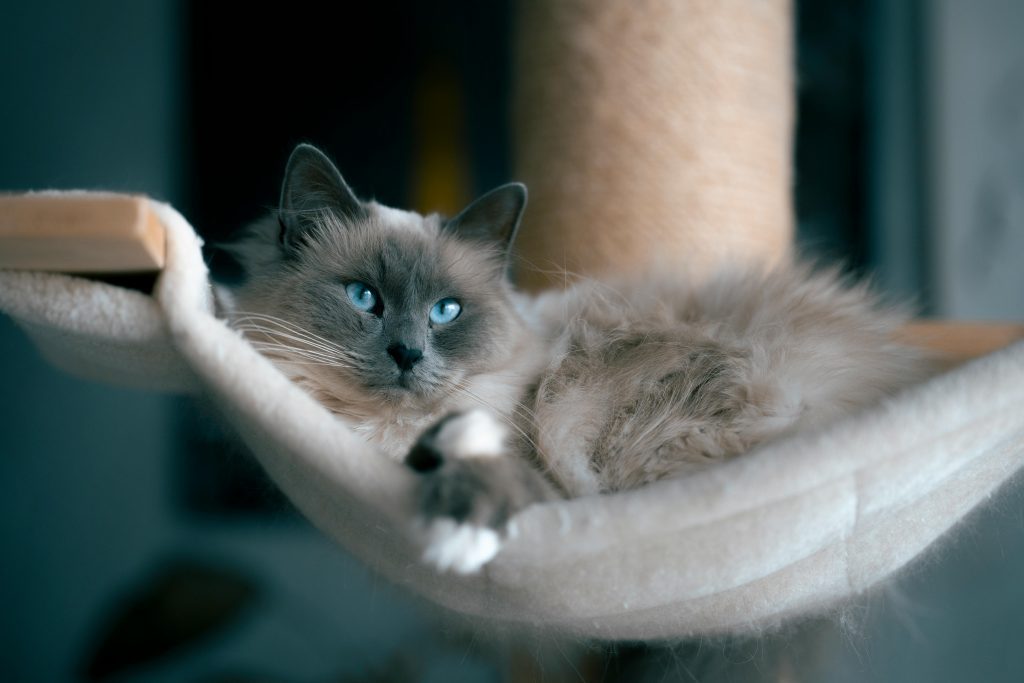
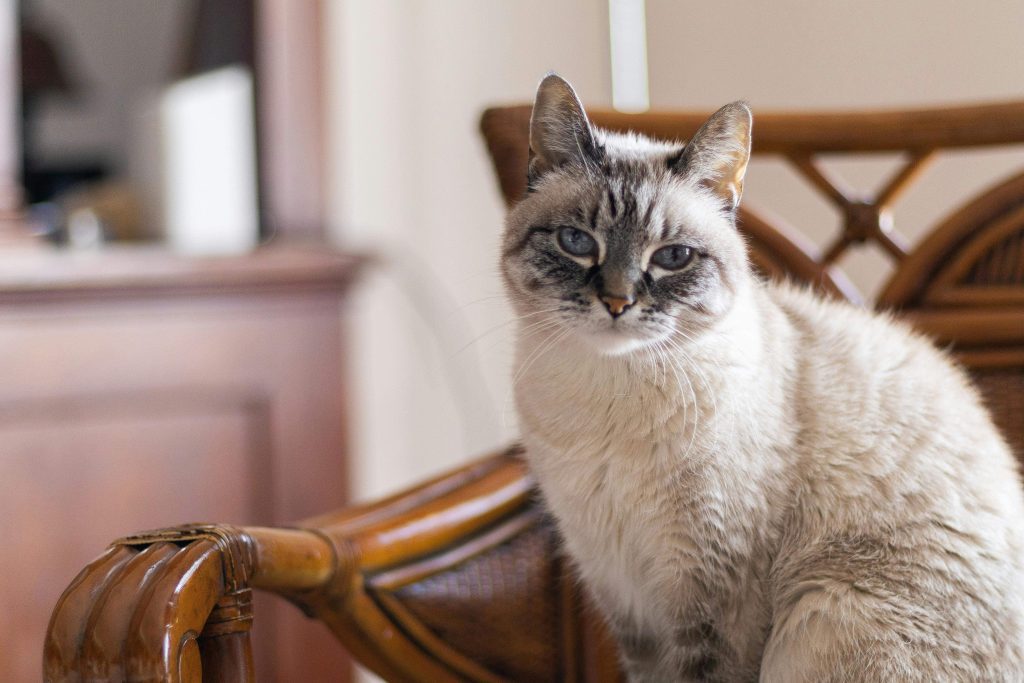
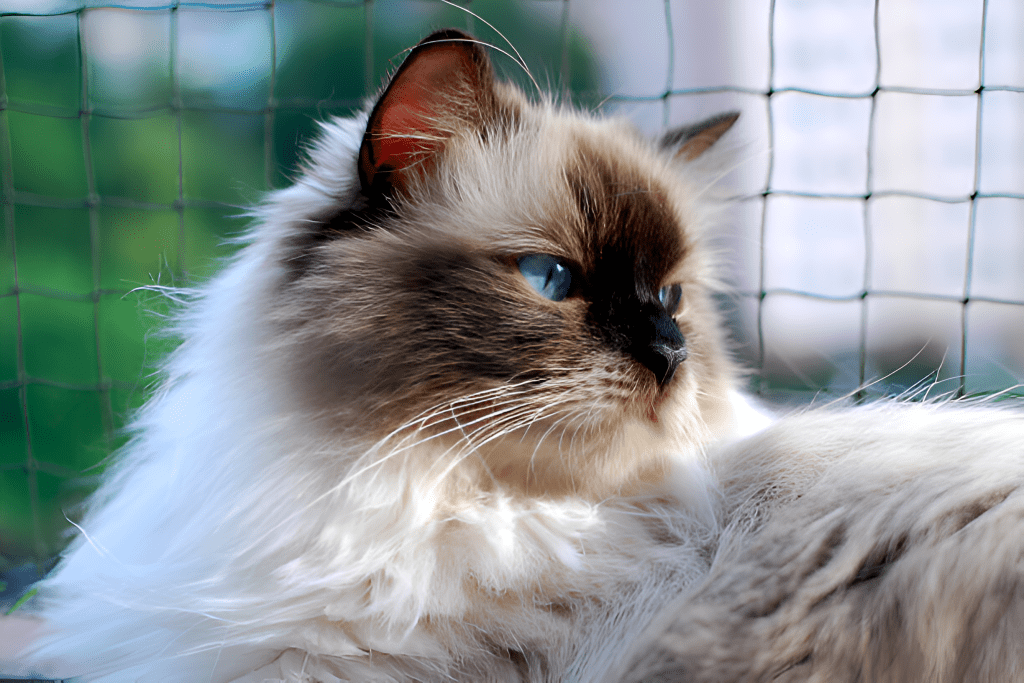
Chocolate Persians instantly catch the eye with their warm, cocoa-toned coats, but their charm goes deeper than color. In many regions, true chocolate lines are still scarce, which often makes them more sought-after than common shades.
Their tones range from solid chocolate to smoke, chocolate-and-white, and chocolate tabby—each with its own appeal. And unlike chocolate Himalayans, they’re not pointed; the color stays solid from face to tail.
This guide explains how to identify genuine chocolates, understand their rarity, estimate costs, and navigate basic care. I’ve even seen owners adjust their whole grooming routine just to keep that rich chocolate tone looking right.
What is a Chocolate Persian?
They’re not simply “brown”—it’s a Persian whose eumelanin pigment is altered by the recessive b allele (in plain terms: a recessive gene softens dark pigment into a warm cocoa tone that stays consistent from kittenhood).
You can spot a true chocolate by checking for rose-brown nose leather, matching paw pads, and a coat that keeps its warmth in natural light. Include close-up photos of these areas in morning or shaded light with alt text like “chocolate persian nose leather close-up” to help readers compare.
These cues make it easier to tell real chocolate from look-alike shades such as lilac or sun-faded black. Because both parents must carry the gene, chocolate Persians remain rare and often cost more. If the nose leather looks clearly black, the cat is unlikely to be true chocolate, though I always ask for a natural-light video (nose tone shows up well there).
Genetics & Origins
The history of the Chocolate Persian is tied to recessive genetics and mid-20th-century breeding efforts, with early work in Europe and the U.S. focusing on pairing cats that carried the b allele. Some of this progress came through Himalayan programs that helped preserve warm pigment lines.
Because both parents must carry the gene, maintaining chocolate (and lilac) lines required careful outcrossing to protect genetic diversity—look for breeders who share multi-generation pedigrees and COI percentages.
Show acceptance still varies by registry: some recognize chocolate as a solid color, while others have stricter rules, so always confirm eligibility. I’ve even seen small programs tracking pedigrees on paper, so ask for documentation rather than promises.
Now that you know how the chocolate gene travels through pedigrees, here’s how it shows up in an adult cat’s coat and features.
Physical Characteristics
They blend the breed’s classic cobby build, long dense coat, and warm cocoa-brown pigment into a look that’s soft, rounded, and instantly recognizable. Their color appears in three main forms—solid, smoke, and tabby—each changing how deep or contrasted the chocolate looks in natural light.
Doll-faced cats exhibit a gentler profile with easier breathing, while Peke-faced Persians may require more tear-stain care, which can subtly impact the appearance of the color around the eyes and muzzle.
Kittens usually reveal their true coat color between 9–18 months, once the undercoat fills in and the pigment settles. Look for rose-brown nose leather, matching paw pads, and a warm tone that stays rich in daylight.
Temperament & Personality
Chocolate Persians tend to lean toward low-to-moderate activity—think calm play and about 10–20 minutes of interactive time twice a day. Early handling (especially between 6–16 weeks) shapes their steady, people-focused nature more than coat color ever could. In my experience, they respond best to a quiet, steady voice rather than high-energy play.
They usually adapt well to apartments, older children, and polite pets when introductions are slow and gentle. Their intelligence shows in short, reward-based training sessions—teaching a simple “sit” with a tiny treat and a 5–10-second clicker cue works well for many.
If a kitten hides or hisses at 10+ weeks, that’s a socialization red flag worth asking the breeder about. If you prefer a warm, low-energy companion who thrives on consistency and close bonding, a Chocolate Persian is an excellent match.
Grooming & Maintenance
Keeping a Chocolate Persian healthy and mat-free means combining daily brushing, gentle face care, and a simple bath routine that protects both coat quality and skin comfort. A quick 5–10 minute brush each day prevents deep tangles, while weekly comb-throughs catch hidden mats behind the ears, armpits, and belly.
Use pH-balanced, non-bleaching shampoos to maintain their natural chocolate tone, and wipe the eyes daily to manage tear staining. Part the coat often—dark fur can hide early redness or irritation.
Consistent, low-stress grooming keeps your Chocolate Persian comfortable, glossy, and healthy. For a full routine, see the grooming checklist next.
You Might Also Like
Nutrition & Diet
A healthy Chocolate Persian diet should center on high-quality protein, good moisture intake, and omega-3s to keep the coat glossy and weight steady. Look for foods with at least 35% protein (dry-matter — check label math or use an online dry-matter calculator) and include daily wet food for hydration. Many owners see better shine by pairing a morning wet meal with a measured evening kibble, which also prevents overeating in this low-activity breed.
Key steps:
- Choose recipes with animal protein listed first.
- Add moisture through wet meals or a splash of water mixed into kibble.
- For omega-3s, look for foods that include fish oil or salmon; use EPA/DHA supplements only with vet guidance.
- Keep treats under 10% of daily calories.
As a simple example: an adult 10-lb Persian might have 60–80 g wet food split in the morning and 40–60 g kibble in the evening (adjust to activity and body condition). I often tell owners to check their cat’s coat after 6–8 weeks on a new diet—you’ll see the biggest difference then.
You Might Also Like
Persian Cat Diet Guide: Feeding Schedule, Best Foods & Age TIps
Health & Breeder Checks
Chocolate Persians share the same major health priorities as all Persians, so the smartest move is focusing on genetic screening, not coat color.
Ask breeders for PKD results, recent HCM echocardiograms, and a clear explanation of how they manage inbreeding risk in rare color lines. These cats also need steady routine care—vaccines, dental checks, and monitoring for early signs of eye or skin issues that can develop in flat-faced breeds.
What to prioritize:
- PKD & HCM tests for parents
- COI transparency (avoid narrow gene pools)
- Regular vet visits every 6–12 months
Healthy lines come from data-backed breeding, so always verify test results before bringing a Chocolate Persian home.
You Might Also Like
Price & Costs
The price of a Chocolate Persian varies widely, but most buyers fall into three bands: $800–$2,500 for pet-quality kittens, $2,500–$4,500 for breeder or “pet-plus” quality, and $4,000–$6,000+ for show prospects with elite bloodlines.
What you’re really paying for isn’t just the rare chocolate color—it’s the pedigree depth, recent PKD/HCM testing, breeder transparency, and the cost of early vet care.
Before committing, confirm paperwork, view parents via video, and ask for health records. Use color as a starting point, but let proof of health and ethics guide what you’re willing to pay.
Final Thoughts & Next Steps
Chocolate Persians are beautiful, affectionate companions, but color alone shouldn’t guide your decision. Prioritize health, temperament, and breeder transparency—the rare chocolate coat is a bonus, not a replacement for responsible selection. Before committing, use this three-step framework:
- Verify — Request PKD and cardiac screenings, multi-generation pedigrees, and vet references; insist on a written contract. I once saw a buyer save over $2,000 simply by asking for parent echocardiograms—an abnormal result changed everything.
- Prepare — Budget for first-year and ongoing costs, plan grooming routines, and schedule vet visits.
- Bond & Monitor — Begin daily grooming and socialization, monitor weight weekly for the first 3 months, and book a baseline exam within 72 hours of pickup.
Thoughtful preparation ensures your Chocolate Persian thrives, giving you a healthy, happy, and long-term companion.