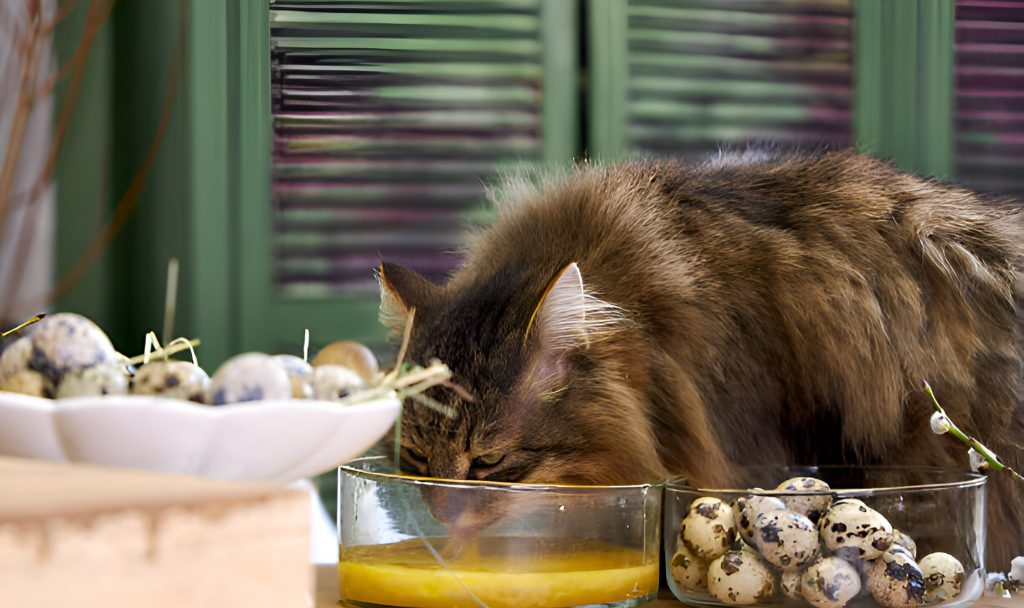
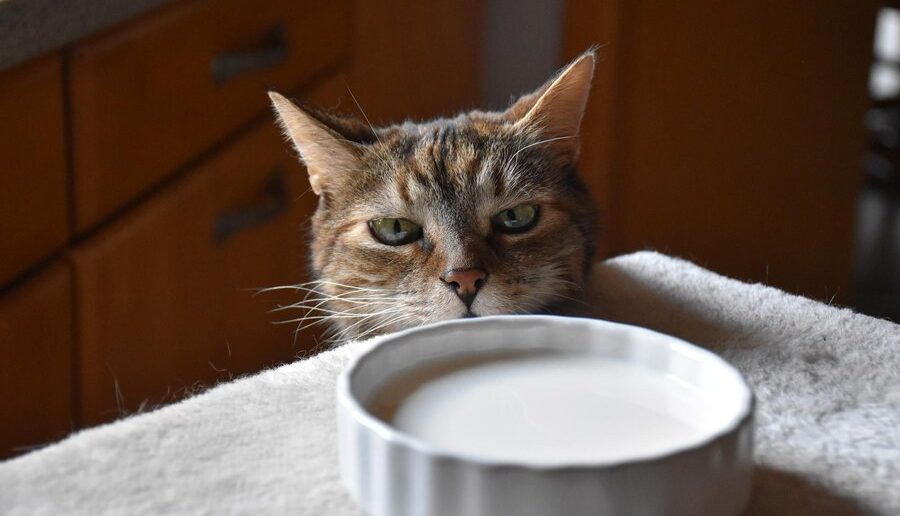
Persian cats combine elegance, a distinctive body shape, and a dense coat — making their diet more important than many realize. Their short muzzle affects how they pick up and chew food, their plush coat increases hairball risk, and their naturally low thirst means moisture-rich meals are essential for healthy digestion and skin.
A thoughtful diet can reduce feeding difficulties, minimize hairballs, prevent weight gain, and keep their coat soft and shiny.
With a few simple adjustments — like softer textures, added hydration, and controlled portions — feeding your Persian becomes easier, healthier, and far more rewarding for both you and your cat.
What Makes Persian Nutrition Unique?
Persian cat nutrition is shaped by their flat face, lower water intake, dense coat, and sensitive digestion, which means the right food isn’t a luxury—it’s a comfort and health safeguard.
Their short muzzle changes how they bite, so small, flat kibble or soft textures help them eat with ease. Use shallow, wide dishes and try pâté or shredded wet food if your cat struggles with dry pieces. Many Persians drink less than other cats, so including wet food helps ensure proper hydration for urinary and kidney health.
Their long coat leads to more swallowed hair, so moisture, soluble fiber, and omega fats reduce hairballs. And because sudden changes can upset their stomach, always transition diets gradually to keep digestion stable.
Essential Nutrients Persian Cats Need
A healthy Persian cat diet centers on high-quality animal protein, balanced fats, and reliable moisture because this breed’s flat face, dense coat, and lower thirst make nutrient choices especially important.
Protein needs vary by life stage (as-fed values—compare labels on a dry-matter basis for accuracy): kittens do well around 30–38%, adults about 28–35%, and seniors benefit from highly digestible protein rather than simply higher percentages. Look for named meats first on the label and steady omega-3/omega-6 fats for coat shine and calmer skin.
Persians also need:
- Taurine — must be present in all diets; homemade meals require added supplements.
- Moisture — to support the kidneys and digestion.
- Healthy fats — for skin and coat health.
- Gentle fiber — to manage hairballs without upsetting the stomach.
- Balanced vitamins and minerals — for steady metabolism and immunity.
If you’re exploring a Persian cat diet, always balance calcium–phosphorus and use a vet-formulated recipe. Choose moisture-rich, animal-based nutrition to support your cat’s digestion, coat, and long-term health.
Diet Chart by Age
A well-planned Persian cat diet chart helps you match feeding frequency, calories, and textures to your cat’s age — from tiny 2-month weanlings to slow-moving seniors. Below are Persian cat diets by age
Newborn–3 Months (Weaning Stage)
During this early phase, your Persian kitten needs frequent, gentle feeding that supports rapid growth and protects the gut. Newborns start with milk replacer, then slowly shift to warm kitten pâté or gruel as they approach 8–12 weeks.
Aim for soft, high-calorie textures with strong animal protein and taurine, and increase the proportion of wet food over 7–10 days to avoid stomach upset. Shallow dishes make eating easier for short muzzles, and warming food to body temperature often encourages hesitant kittens to eat.
3–6 Months
This is a fast-growth window where regular meals help build lean muscle without stressing the digestive system. Offering three to four structured feedings a day works well, with a mix of soft pâté, shredded wet food, and small, flat kibble pieces if tolerated.
Keep protein high and moisture steady to support coat development and hydration. Weekly weighing helps you spot whether growth is too slow or too rapid, making it easier to adjust portions before problems appear.
6–12 Months
As your Persian approaches adulthood, feeding shifts from intensive growth to steady finishing. Two to three meals a day are usually enough, with at least one wet portion to maintain hydration.
You can gradually increase kibble if your cat chews comfortably, but keep overall calories moderate so extra weight doesn’t sneak on. This is also the perfect stage to begin light portion control, since habits formed now tend to become long-term patterns.
1–7 Years
Adult Persians thrive on routine meals that maintain ideal weight and support coat health. Most do well with two measured feedings a day, plus mixed wet and dry textures to balance moisture, digestion, and dental tolerance.
Prioritize high-quality animal protein, moderate fats, and added moisture to reduce hairballs. Because adult Persians naturally move less, monitoring calories and body shape monthly is essential to prevent gradual weight gain.
8+ Years
Senior Persians often benefit from smaller, more frequent meals that are easy to digest and rich in moisture. Focus on high-quality, highly digestible protein, moderated phosphorus, and joint-friendly omega-3s to preserve muscle and support aging kidneys.
Gentle warming of wet food helps stimulate appetite, especially in cats with reduced smell or mild dental discomfort. Regular bloodwork and close attention to weight changes ensure feeding stays aligned with your cat’s health needs. Now that we’ve covered nutrients and hydration, let’s compare wet and dry formats.
Wet Food vs Dry Food
Choosing between wet and dry food for Persian cats comes down to hydration, ease of eating, and texture. Many Persians benefit most from a mixed routine that leans toward wet food—the moisture supports urinary health and makes eating easier for short-muzzled cats.
Wet textures like pâté or mousse often help picky eaters settle into a steady rhythm; I’ve seen shy Persians start finishing meals once switched from flakes to mousse. Dry food still has value but should be portioned carefully—use it for convenience or light dental benefit, never as a free-fed staple.
Best Foods (Kittens / Adults / Seniors)
The best Persian cat diet is one that matches your cat’s life stage, supports hydration, and uses textures that are easy to eat. Persians do best with foods rich in animal protein, controlled fats, and reliable moisture to protect kidneys, reduce hairballs, and keep the coat plush.
Many generic diets overlook these needs, so choosing the right formula—whether premium or budget—means checking ingredients, texture, and digestibility, not just the brand name. Before exploring specific recommendations, let’s break down what “best” looks like at each age.
For Kittens (0–12 Months)
Persian kittens need calorie-dense, high-protein food that fuels fast growth while staying gentle on a still-developing stomach. Soft pâté or mousse is usually easiest for short muzzles, and DHA-rich recipes help brain and eye development. Look for labeled “growth” formulas with named meats, balanced calcium–phosphorus, and guaranteed taurine.
Premium options offer stronger omega content; mid-tier diets provide solid protein at a fair price; budget formulas work if you boost moisture and aroma. Feed several small meals daily and track weekly weight—steady gain is the goal, not sudden jumps.
For Adults (1–7 Years)
Adult Persians thrive on foods that maintain lean mass without overloading calories, since this breed is naturally low-activity. High-quality animal protein, moderate fat, and regular moisture help control hairballs, support digestion, and keep the coat smooth. Wet food plays a major role here, especially for cats that drink little on their own.
Sensitive stomachs often respond better to limited-ingredient or hydrolyzed diets. Choose formulas with named meats, gentle fibers, and clear feeding guidance. Two measured meals a day work best, with small treats only if they fit into the calorie plan.
For Seniors (8+ Years)
Senior Persians benefit from diets that protect kidney health, support joints, and are easy to chew as dental comfort changes. Moisture-rich foods with digestible proteins help preserve muscle while keeping phosphorus controlled. Omega-3s make a noticeable difference in mobility and coat condition, and warming wet food often boosts appetite in older cats with reduced smell.
Choose soft pâtés or mousse textures, prioritize renal-friendly ingredients when needed, and split meals into smaller portions. Regular checkups matter more now—lab work can guide whether your senior needs a standard or kidney-conscious diet.
Homemade Food — Risks & Safe Uses
Many owners enjoy preparing Persian cat diet homemade meals because the freshness, aroma, and control can tempt even picky, flat-faced eaters. But without a strict structure, homemade diets quickly slip into dangerous nutrient gaps—especially missing taurine, calcium, or a balanced Ca:P ratio.
The safest approach is treating homemade food as enrichment, not the full menu: small, cooked toppers paired with a balanced commercial base. Use a feline premix, add taurine, keep portions ≤10–20% of daily calories, and monitor stool, appetite, and weight each week.
Homemade can boost flavor, hydration, and bonding—but only when backed by supplements, hygiene, and clear limits.
Foods to Avoid & Emergency Steps
Some foods cause immediate or severe reactions and should never be offered. Onion and garlic—including powders hidden in sauces—can damage red blood cells and lead to life-threatening anemia. Chocolate and cocoa trigger fast-acting toxicity, from vomiting to seizures, with dark chocolate being the most dangerous.
Grapes and raisins may cause sudden kidney injury, even in small amounts. Avoid xylitol entirely, as it can cause rapid insulin release, caffeine in any form, alcohol, or raw bread dough, and macadamia nuts. Even salty snacks can cause sodium overload. A quick-reference list near the feeding area can prevent accidental slips.
Dangerous Table Foods
Many everyday leftovers create choking hazards or long-term problems rather than immediate poisoning. Cooked bones—especially poultry—splinter easily and can lodge in the throat or puncture the gut. Raw egg whites risk Salmonella and can cause biotin deficiency over time.
Rich, high-fat foods may trigger pancreatitis, while sugary treats quietly fuel obesity and dental disease. Even canned tuna becomes unsafe when fed too often, leading to nutritional imbalances or mercury build-up.
If guests tend to share food, remind them that a Persian’s delicate digestion makes many table items unsafe, no matter how eager your cat looks.
Healthy for Humans, Harmful for Persians
Some foods seem harmless because we eat them daily, but they don’t fit a Persian’s strict nutritional needs. Dairy often causes diarrhea since most adult cats can’t digest lactose. Plain meat-only diets miss essential nutrients like taurine and calcium, risking heart, eye, and bone problems.
Large amounts of tuna still pose issues, and avocado may cause stomach upset and obstruction from its pit. Even fragrant spices—especially onion or garlic powders—are more dangerous than they look.
Always remember: what strengthens humans can harm cats, because Persians are obligate carnivores with very specific dietary requirements.
What to Do If Your Cat Eats Something Unsafe
If your Persian eats a restricted food, fast, calm action makes the biggest difference. Immediate steps:
- Identify what was eaten, how much, and when.
- Do not induce vomiting unless a vet instructs you.
- Call your vet or a poison hotline immediately.
- Watch for vomiting, tremors, drooling, pale gums, or collapse.
- Bring packaging or leftovers to the clinic—it helps pinpoint toxins.
Prevention is simple: secure trash cans, store food high, educate guests, and never leave plates unattended. A small “Don’t Feed the Cat” note near the dining area can prevent well-meaning mistakes.
Feeding Schedule
Setting a clear, measured feeding routine is the best way to keep your Persian lean, hydrated, and coat-glossy. Feed by life stage—kittens 3–5 meals/day, adults 2 meals/day, seniors 3–4 smaller meals—and adjust portions by calories, not free access.
Use a kitchen scale for accuracy since cup sizes vary by kibble type (1 cup ≈ 90–120 g); check your brand once and note it. For example, an average 3 kg adult may eat around 120–150 kcal/day, such as morning: 40 g wet pâté (80 kcal) + evening: 10 g kibble (50 kcal).
Keep treats within 10% of daily calories, and review your cat’s Body Condition Score (BCS) monthly—reduce portions by 10–15% if overweight, or increase slightly if underweight. Timed feeders, small plates, and steady schedules help control appetite, improve digestion, and limit hairballs.
Common Diet-Related Problems
Persians are prone to diet-related issues due to their long hair, brachycephalic mouths, and relatively low activity levels. Common problems include vomiting, often triggered by hairballs or fast eating; diarrhea, usually from abrupt diet changes or ingredient sensitivities; constipation, linked to low moisture, low fiber, or excessive hair ingestion; and dull coat/excessive shedding, often from inadequate protein or omega-3 intake.
Preventive strategies include slow-feed bowls, high-moisture foods, gradual diet transitions, fiber supplementation, and regular grooming.
Monitoring stool consistency, BCS, and hairball frequency helps catch issues early, keeping your Persian’s digestion smooth and coat vibrant. Practical, measured interventions make all the difference.
You Might Also Like
Final Thoughts
Feeding your Persian the right diet isn’t just about keeping them full—it’s about supporting digestion, coat health, and overall vitality. By following age-appropriate feeding schedules, measuring portions carefully, balancing wet and dry foods, and including functional nutrients like omega-3 and taurine, you can prevent common issues like hairballs, constipation, or dull coats.
Monitor weight, stool consistency, and energy levels, adjust gradually, and prioritize hydration. Real-life examples show that small, consistent changes—like mixing wet meals with measured dry food or using fiber toppers—can transform a Persian’s health and happiness, making each mealtime a step toward a vibrant, thriving cat.
You Might Also Like
Bengal Cat Diet Guide: What to Feed (Kittens, Adults & Seniors)

Founder of Cats Question and lead cat care writer, with a background in veterinary education in Bangladesh and a lifelong passion for cats. Dedicated to creating trusted, practical content that helps cat owners make better everyday decisions—guided by real-life experience and inspired by a deep commitment to feline health and wellbeing.