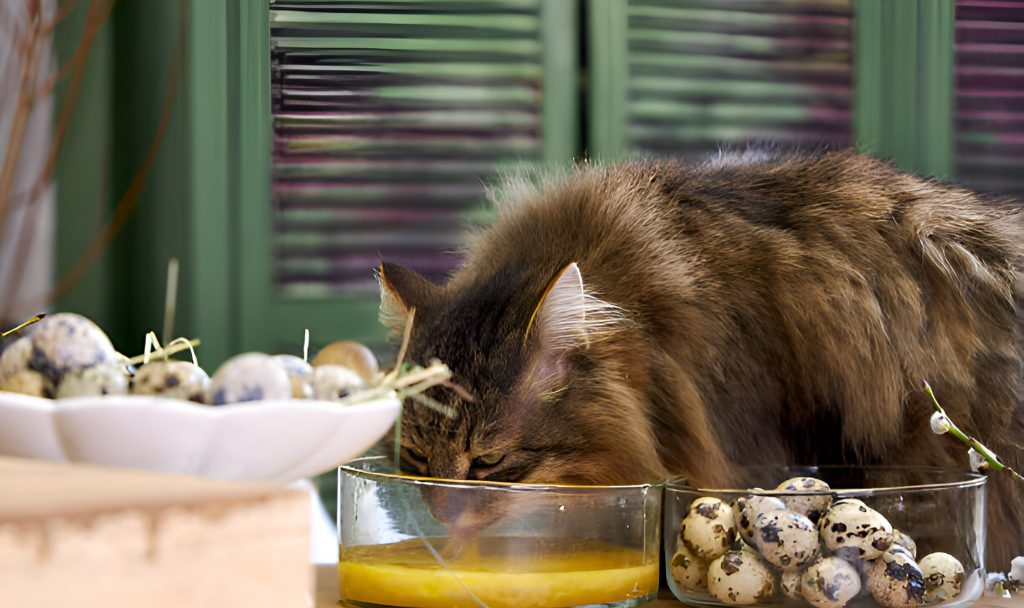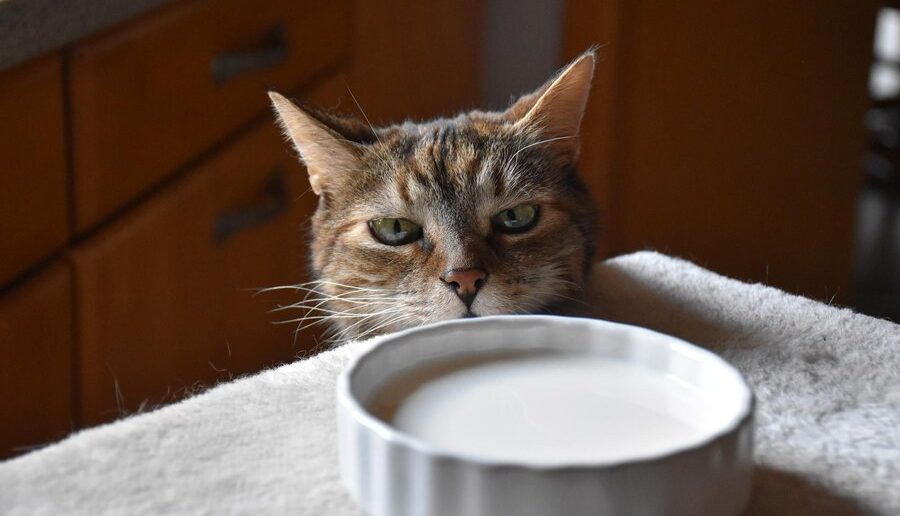
If your cat sneaks a lick of your oat milk, there’s usually no need to panic. The short answer is: a tiny accidental taste—like a lick from your spoon—is generally non-toxic, but it’s not something cats need or benefit from.
Cats are usually drawn to the taste or creaminess, not because it belongs in their diet. Most commercial oat milks, including brands like Oatly and flavored versions, may contain added oils, sugars, or stabilizers, and oat milk ice cream adds even more sugar and fat.
The practical rule is simple: treat it as a rare curiosity, not something you offer on purpose. If your cat does get a taste, monitor for any digestive upset and keep their regular feeding routine unchanged.
Is Oat Milk Safe or Healthy for Cats?
Oat milk isn’t toxic in small amounts, but it isn’t a good nutritional fit for cats. Even if your cat laps a little from a cereal bowl or a splash of Oatly, it doesn’t offer the kind of nutrients their bodies are built to use.
As veterinarian Jennifer Coates explains, “Cats are obligate carnivores, meaning their anatomy and physiology are designed to get nutrients from animal tissues, not from plants.”
What that means in practice:
- It’s very low in the protein cats rely on
- It’s mostly carbohydrates, unlike a natural prey-based diet
- It lacks essential nutrients like taurine
- Many commercial versions include added oils or sugars
In simple terms, even when it’s tolerated, oat milk doesn’t really do anything for your cat nutritionally.
Can Cats Drink Oat Milk Every Day?
No—cats should not drink oat milk every day. While a tiny lick isn’t usually harmful, making it a habit doesn’t fit what a cat actually needs to stay healthy.
Oat milk—whether plain or brands like Oatly—is mostly carbohydrates and sugars, not the protein-rich nutrition cats rely on. Over time, that mismatch can lead to small but unnecessary issues.
A daily habit can lead to:
- Extra carbs and calories your cat doesn’t need
- No real nutritional benefit
- More interest in human drinks instead of proper food
- Mild digestive upset in some cats, even if others seem fine
If your cat steals a sip, it’s usually not an emergency. An occasional tiny taste may be tolerated, but water and balanced cat food should always come first. The details matter more when the product is flavored or more processed, which is where Oatly deserves a closer look.
You Might Also Like
Is Oatly Safe for Cats?
Oatly isn’t a recommended drink for cats, but a tiny accidental taste—like a lick of foam or a splash from a bowl—is usually not a major concern. If you’re wondering “can cats drink Oatly?”, the practical answer is that it doesn’t offer anything cats actually need.
Oatly is made for people, and recipes vary (Original, Barista, flavored). That matters because many versions include:
- Added sugars and carbohydrates
- Rapeseed oil or extra fats (especially Barista versions)
- Stabilizers or acidity regulators
- Added vitamins meant for human diets
None of these is designed with cats in mind. If your cat does get a taste, check the label, avoid flavored versions, and keep it as a rare curiosity rather than something you offer on purpose.
Can Cats Eat Oat Milk Ice Cream?
No—oat milk ice cream isn’t a good treat for cats. While a curious cat might sneak a lick from your spoon, the dessert format makes it much less suitable than plain oat milk.
Why it’s riskier:
- High sugar and calories are typical of desserts
- Added fats and flavorings with no real benefit for cats
- Ingredients that can be unsafe, like chocolate or certain sweeteners
A small accidental lick is usually not an emergency, but more than that can lead to vomiting, diarrhea, or unnecessary weight gain.
If your cat ate some:
- Check the ingredient list right away (especially for chocolate or sweeteners)
- Monitor for stomach upset over the next 24 hours
- Call a vet if symptoms appear or a larger amount is eaten
Oat milk ice cream is a human dessert, not a feline treat. Keep it out of reach and stick to water, balanced cat food, and appropriate treats instead.
Can Kittens Have Oat Milk?
No—kittens should not drink oat milk. In their first months, they’re growing quickly and need nutrition that’s specifically designed to support that development.
Here’s why oat milk isn’t appropriate:
- It’s incomplete—kittens need high protein, fat, taurine, and balanced minerals
- At this stage, feeding matters: from 0–4 weeks, they rely on their mother’s milk or a kitten milk replacer (KMR), and from about 3–8 weeks, they gradually wean onto kitten food
- It can upset digestion and may lead to diarrhea or poor weight gain
A curious kitten might lick a drop from your cereal bowl—that’s very different from feeding it on purpose. The safest approach is to stick with proper kitten nutrition and avoid milk alternatives altogether.
How to Offer Oat Milk
If your cat does end up trying oat milk, the safest approach is to treat it as an occasional curiosity—not a real treat. Cats still need balanced cat food and fresh water as their daily staples.
If it happens, keep a few things in mind:
- Check the label and stick to plain, unflavored oat milk only
- Avoid anything with chocolate, xylitol, or added flavors
- Keep the amount tiny—a lick from a spoon, not a bowl
- Don’t make it a habit, especially since many versions contain added sugar and fats
- Watch for any stomach upset afterward
For regular rewards, meat-based cat treats are a much better choice and should stay under 10% of daily calories. If oat milk is offered at all, keep it minimal, occasional, and never part of a routine.
You Might Also Like
Final Thoughts
So, should you give oat milk to cats? The practical answer is simple: it’s not something they need. A cat begging for your drink is curiosity, not dietary advice.
Oat milk may seem harmless, but it doesn’t add anything useful to your cat’s diet. Stick to water and balanced cat food, and if your cat ever gets a taste, keep it rare and minimal—something that stays in your cup, not part of their routine.

Founder of Cats Question and lead cat care writer, with a background in veterinary education in Bangladesh and a lifelong passion for cats. Dedicated to creating trusted, practical content that helps cat owners make better everyday decisions—guided by real-life experience and inspired by a deep commitment to feline health and wellbeing.