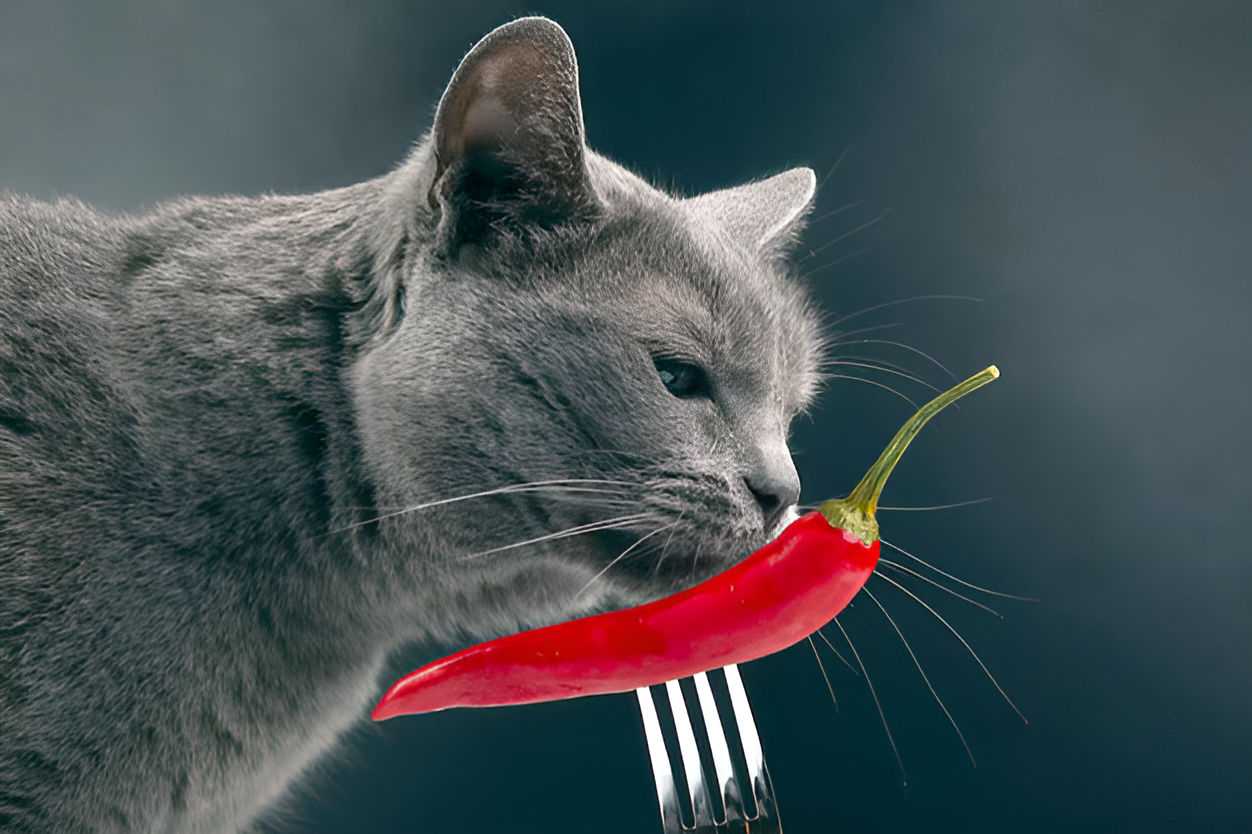
A quick lick of hot sauce or a bite of spicy chicken can catch you off guard—but it’s a common situation for curious cats. Can cats taste spicy food? Not the way we do. “Spicy” isn’t really a flavor for them—it’s more of a burning sensation that can irritate their mouth and stomach.
If your cat got into curry, sauce, or seasoned food, there’s no need to panic right away. What matters is how much they ate and what ingredients were involved. Compounds like capsaicin can cause discomfort, even if your cat isn’t “tasting” the spice itself.
Start by removing access, checking what they ate, and watching for any changes—this guide will help you understand what’s mild and what needs attention.
Can cats taste spicy food?
Not really. “Spicy” isn’t a true taste—it’s a burning sensation caused by compounds like capsaicin, and cats experience that as irritation, not flavor.
So if your cat licked hot sauce or grabbed a bite of spicy chicken, they’re reacting to that sensation, not enjoying the taste. Cats do pick up on certain flavors, but their interest is driven more by smell, fat, and texture than by seasoning.
What matters next isn’t the spice itself—it’s what was in the food and how your cat responds:
- Onion, garlic, salt, oils = higher risk
- Drooling, pawing at the mouth, vomiting = warning signs
Focus on the ingredients and any symptoms—those will tell you how concerned you need to be.
What can cats taste besides spice?
Cats do have a sense of taste, but it’s fairly simple and closely tied to their nutritional needs. In practical terms, here’s what stands out:
- Umami (meaty flavors): the main driver, linked to protein
- Salty & sour: noticeable, but not a strong pull
- Bitter: acts as a warning signal
- Sweet: little to no real interest
So when a cat goes after chicken but ignores cake, it’s not really about taste—it’s smell, fat, and texture doing the work. That’s why a lick of buttery curry or salty meat can seem appealing at first, even if it’s not actually safe.
You Might Also Like
Why spicy food can be a problem for cats
Spicy food can bother cats, but the bigger issue is what’s in it. A quick lick of hot sauce or a bite of seasoned food can irritate the mouth, and some ingredients can upset the stomach soon after.
Many spicy foods include added risks:
- Onion & garlic: toxic, even in small amounts
- Salt, oil, and fat can strain the digestive system
- Seasonings & sauces: often contain mixed or hidden ingredients
The concern isn’t just the heat—it’s the full ingredient mix. That’s what determines how serious the situation may be, so check what your cat ate and keep an eye out for any symptoms.
What happens if a cat eats spicy food?
What you’ll see depends on how much was eaten—and what was in it.
- Small amount (a lick or crumb): brief drooling, lip licking, or mild mouth irritation—usually settles on its own
- More than a taste (a few bites): vomiting, diarrhea, or reduced appetite can follow
- Foods with risky ingredients (like onion, garlic, or heavy seasoning): symptoms may be stronger and need closer attention
Some reactions show up quickly, while others take time, so keep an eye on any changes. If your cat has already eaten something spicy, the next step is knowing how to respond safely.
What to do if your cat ate spicy food
Start with a quick check—no need to panic, just act early.
- Remove access so your cat can’t eat more
- Check ingredients, not just “spicy” (especially onion, garlic, high salt, or heavy oils)
- Watch for symptoms like drooling, pawing at the mouth, vomiting, diarrhea, or low energy
A small lick of a simple sauce is usually something you can monitor at home. But if your cat ate more than that—or if the food included onion or garlic—it’s best to call your vet or a poison helpline for guidance.
Do not induce vomiting at home. The label matters as much as the heat, so if you’re unsure, getting expert advice early is the safest move.
Are some spicy foods worse than others?
Yes—and it’s rarely about the heat alone. The real difference comes from the ingredients and how much is mixed in.
Think of it in levels:
- Hot sauce/chili flakes: mostly brief mouth irritation
- Spicy chips or fries: added salt, oils, and seasoning blends
- Takeout or leftovers: mixed ingredients, often richer and harder to process
- Foods with onion or garlic: the greatest concern, and should be taken seriously
A cat grabbing a chip isn’t reacting to spice itself—it’s the smell and fat that draw them in. The more complex the food, the higher the risk, so what’s in it matters far more than how “spicy” it tastes.
You Might Also Like
How to keep cats away from spicy food in the future
Preventing repeat accidents is less about training your cat and more about fixing the setup. Cats go after smell, fat, and easy access—not “spice” itself.
- Control the food zone: keep takeout containers closed and don’t leave plates sitting out
- Clean the contact zone: wash hands after eating, wipe counters, and rinse used dishes
- Set household rules: no sharing food—guests included
- Reduce temptation: put away chips, sauces, and leftovers right after use
A common slip? A plate in the sink or sauce on your fingers—cats find both. The simplest approach is to make spicy food hard to reach, harder to smell, and not something that ever gets shared by accident.
Final Thoughts
Spicy food doesn’t register the same way for cats, but it can still lead to irritation or stomach upset—what matters most is how much was eaten and what was in it.
A small lick with no symptoms is usually something you can watch at home. But if you notice vomiting, low energy, or any exposure to onion or garlic, it’s safer to treat it as a higher-risk situation and get advice.
Cats don’t seek out spice—they react to it. Focus on the ingredients, watch for changes, and you’ll have a clear sense of when it’s minor and when it needs attention.