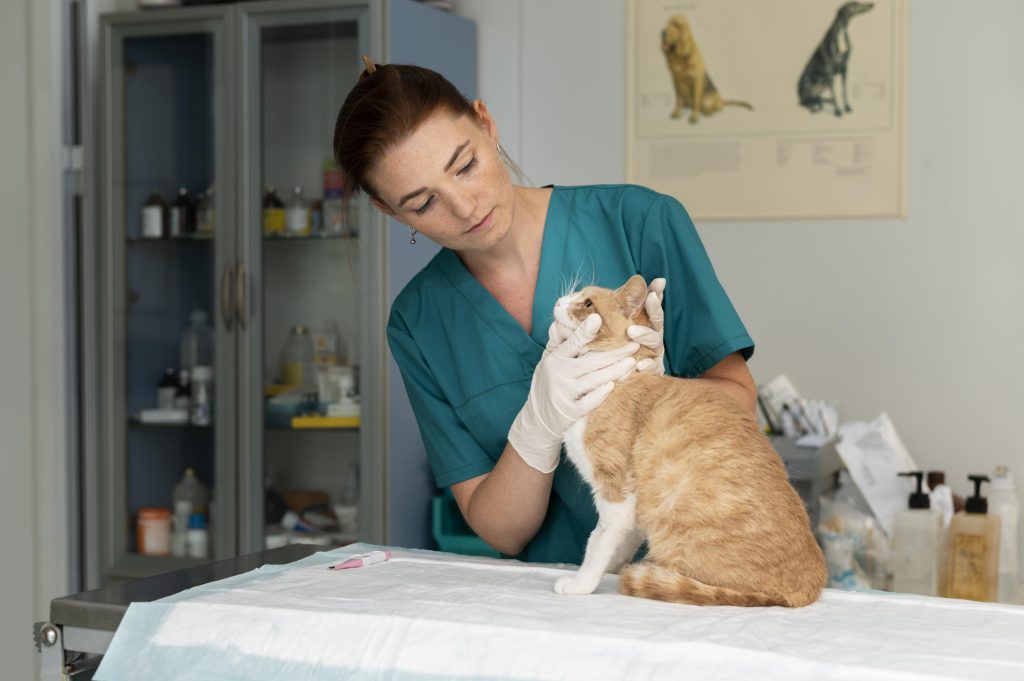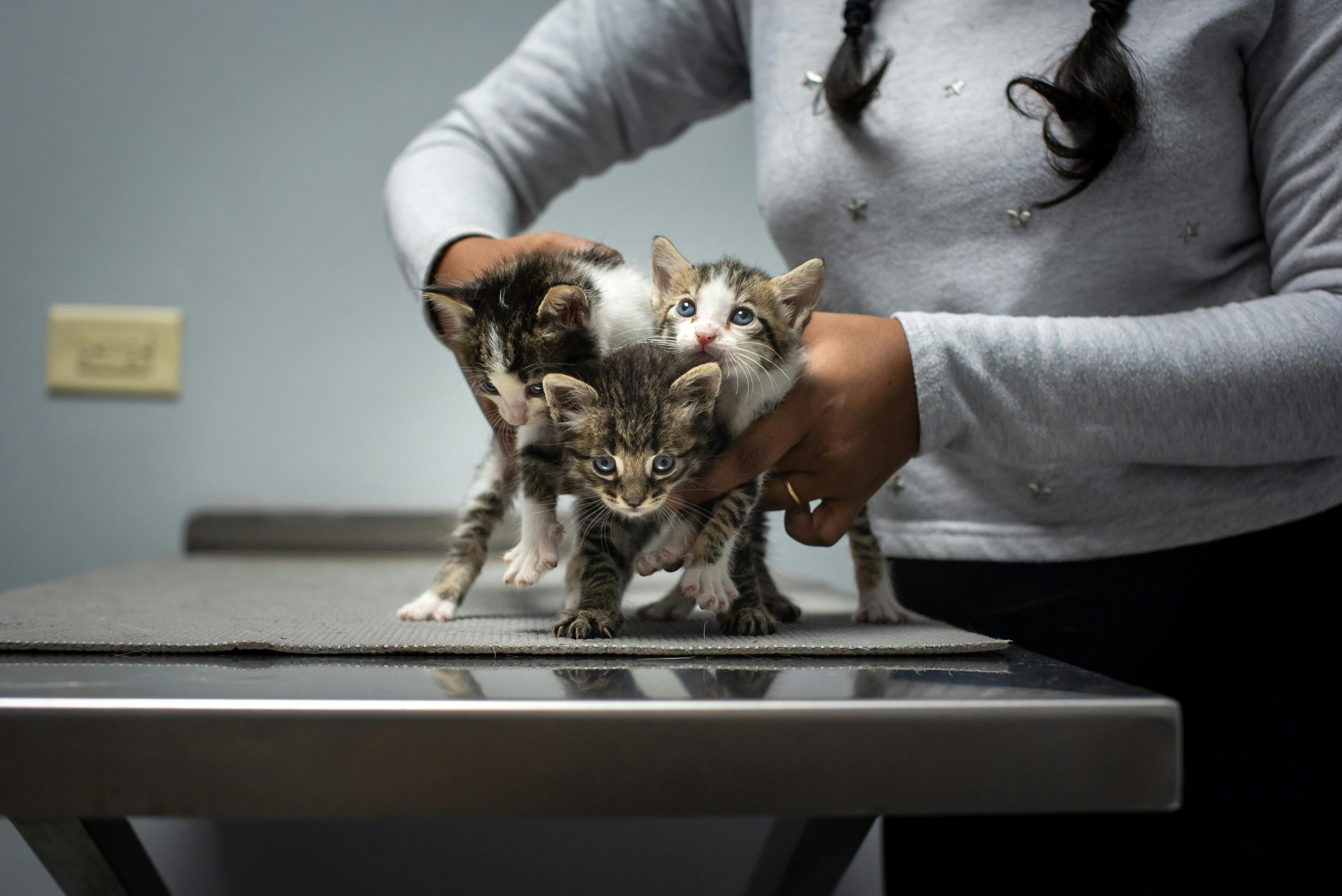
A lot of new cat owners hear “get your kitten fixed” long before they know what the term actually means—or when it should happen. In simple words, “fixed” means your kitten has been spayed or neutered. These are sterilization surgeries that help prevent unwanted litters and reduce certain hormone-driven behaviors. Spaying is done for female kittens, while neutering is done for males.
Many owners are also surprised to learn that vets often recommend the procedure earlier than people expect, especially in shelters and rescue programs. Timing matters because waiting too long can increase the risk of accidental litters and behavior problems starting to develop. Still, every kitten grows differently, so veterinarians evaluate each cat individually before scheduling surgery.
Best Age to Spay or Neuter a Kitten
Most kittens are spayed or neutered before sexual maturity, often around 4–6 months old. Some shelters and rescue programs may safely perform the procedure even earlier if a kitten is healthy and meets the required weight guidelines. In most cases, vets focus more on overall health and surgery readiness than age alone.
Waiting until a kitten “looks grown” can sometimes mean missing the ideal prevention window. In homes with both male and female kittens, even one delayed appointment can lead to an accidental litter sooner than many owners expect. While male and female kittens follow a similar timeline overall, there are a few important timing differences to know.
You Might Also Like
When Male Kittens Should Be Neutered
Most male kittens are neutered before sexual maturity, so hormone-driven behaviors are less likely to develop. While the general timing is similar to female kittens, male cats are often scheduled before habits like spraying or roaming begin.
Waiting until a kitten starts mounting, urine-marking, or trying to escape outdoors is often too late. Some intact males never develop strong behavior problems, while others begin spraying furniture or becoming more territorial surprisingly early—even indoors. Once testosterone-related habits become established, they can be harder to manage later on.
For many owners, scheduling neutering before those behaviors appear is usually simpler than trying to correct them afterward.
How Old Does a Cat Have to Be to Be Spayed or Neutered?
Most cats are fixed while they are still young, usually before behaviors linked to puberty begin. For female cats, many vets prefer spaying before the first heat cycle to help reduce the risk of accidental pregnancy, loud heat behavior, and escape attempts. Male cats are often neutered before spraying or roaming habits start to develop.
If your cat is already an adult, it is usually still possible to have the procedure done safely. While earlier timing is often ideal, many adult cats can still be spayed or neutered after a proper pre-op exam and, in some cases, bloodwork.
What Your Vet Checks Before Surgery
When deciding if a kitten is ready to be spayed or neutered, vets look at more than age alone. During the pre-op exam, they usually check:
- weight and overall body condition
- hydration and general health
- vaccine and parasite-control status
- possible anesthesia or breathing risks
These checks help the vet decide whether your kitten is likely to handle anesthesia and recovery safely. A healthy, stable kitten may sometimes be approved sooner than an older kitten dealing with illness, dehydration, or respiratory problems, which is why surgery timing can vary between clinics. In the end, most vets are asking a simple question: Is the kitten healthy and ready for surgery today?
Is Early Spay/Neuter Safe?
Many owners worry that spaying or neutering a young kitten is risky, but age alone is usually not the deciding factor. Vets look more closely at a kitten’s overall health, weight, and ability to handle anesthesia and recovery safely.
In some cases, a healthy younger kitten may recover more smoothly than an older kitten dealing with infection, diarrhea, dehydration, or poor nutrition. Concerns like low blood sugar, trouble staying warm during surgery, or active illness are often more important than the kitten’s exact age. That is why the pre-op exam matters so much before surgery is approved.
If your kitten is eating well, gaining weight normally, and cleared by the vet, early spay/neuter is commonly considered a safe option and may help prevent spraying, roaming, heat cycles, and accidental litters later on.
You Might Also Like
When Can I Get My Cat Spayed After Having Kittens? Best Time
Benefits of Getting a Kitten Fixed at the Right Time
The benefits of timely spaying or neutering go beyond preventing surprise litters. For female kittens, spaying can help lower the risk of uterine infections and mammary tumors later in life. Male kittens may be less likely to develop hormone-driven behaviors like urine marking, fighting, or roaming.
Many owners of “indoor-only” cats are surprised by how quickly puberty can change everyday behavior. A kitten that was calm and easygoing may suddenly start yowling, spraying furniture, or trying to dash outside. Planning often makes life easier, not just for the cat, but for the entire household as well.
Once owners understand the benefits and timing, the next question is usually cost.
How Much Kitten Spay/Neuter Surgery Cost
The spay/neuter cost for kittens can range from under $100 USD at some nonprofit clinics to several hundred dollars at full-service veterinary hospitals. Prices often vary based on the clinic, your location, and what services are included before and after surgery. In many cases, the biggest difference is not the procedure itself, but everything bundled around it.
Before booking, ask what the quote actually includes:
- pre-op exam or bloodwork
- anesthesia and pain medication
- vaccines or parasite treatment
- e-collar and follow-up care
after add-ons. On the other hand, some low-cost spay/neuter programs include vaccines or microchips, which can save money overall. Always ask for an itemized estimate so you can compare the full price, not just the base surgery fee.
How to Prepare a Kitten for Surgery
Preparing your kitten for surgery starts before the appointment day arrives. One of the most important steps is following your clinic’s instructions carefully, especially when it comes to food and water. Fasting rules can vary depending on the kitten’s age and the clinic’s protocol, so avoid relying on general online advice alone.
Before leaving home, double-check that you have:
- a secure carrier with soft bedding
- vaccine or medication records
- payment method or clinic paperwork
- an emergency contact number
Also, call the clinic if your kitten develops sneezing, vomiting, diarrhea, or a poor appetite beforehand. Many procedures are postponed for safety reasons, especially if a kitten seems unwell before anesthesia.
Even small steps—like packing everything the night before—can make surgery day calmer and less stressful for both you and your kitten.
You Might Also Like
What to Expect After the Procedure
Most kittens recover smoothly after surgery when the clinic’s instructions are followed closely. During the first 24 hours, mild sleepiness, quieter behavior, and a smaller appetite are all fairly common. Some kittens may want to rest most of the day, while others try to act normal much sooner than expected.
To support healing:
- Keep your kitten in a quiet, warm recovery space
- prevent jumping, rough play, and excessive licking
- Check the incision daily for swelling, redness, or discharge
Even if your kitten seems energetic again after a day or two, full recovery still takes about 7–10 days. Think of the incision like a fresh seam—it heals best when left undisturbed.
Contact the vet if your kitten keeps vomiting, seems unusually lethargic after the first day, struggles to urinate, or if the incision looks worse instead of gradually improving. Careful post-op monitoring is what helps recovery stay smooth and safe.
Final Thoughts
The best timing for getting a kitten fixed usually comes down to planning and following your vet’s advice. Most kittens are safely spayed or neutered before sexual maturity, and doing it at the right time helps prevent many health and behavior issues before they even start.
A lot of common worries fade once owners understand this—vet-approved surgery does not “stunt growth” or change personality, but it does lower risks linked to reproductive health and hormone-driven behavior.
If you’re unsure about timing or readiness, a quick veterinary check is usually the simplest way to move forward with confidence.
References
How Old Do Cats Have to Be to Get Spayed or Neutered?
How Old Do Kittens Have to Be to Get Fixed? | Voorhees Vets
At what age do you NEED to neuter/spray our kitten (F)
How Old Do Kittens Have to Be to Get Fixed?
How to Know if a Kitten Is Old Enough to Neuter or Spay
How old do kittens have to be to get fixed? | Union City Vets