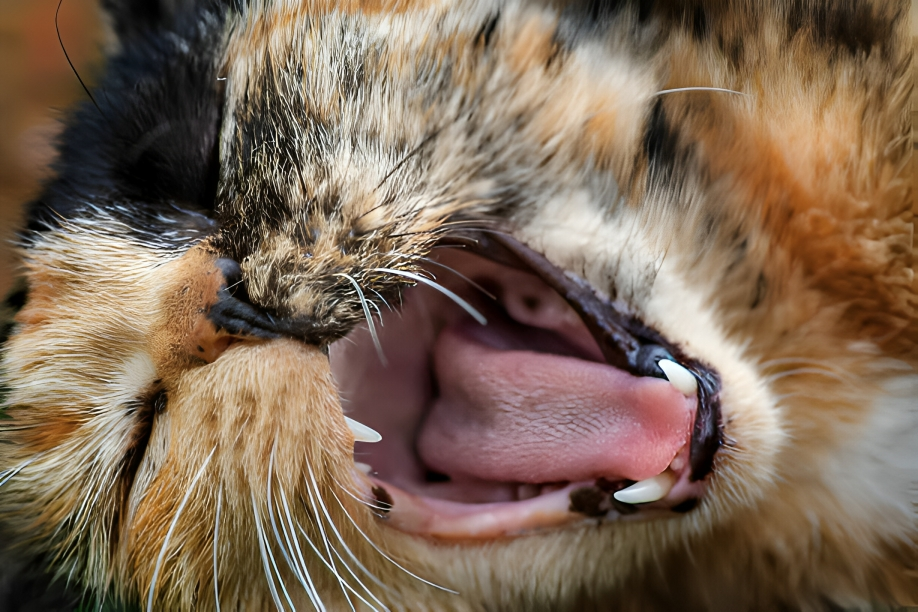
Heat isn’t pain — it’s your cat’s body signaling readiness to mate, caused by a surge of estrogen from growing ovarian follicles. That hormone rise triggers the dramatic behaviors you see: loud yowling, rolling, tail-tilting, and that restless “please-let-me-out” energy.
Indoors, these instincts have nowhere to go, so everything feels louder and more intense. A typical heat lasts 4–7 days and can recur every 2–3 weeks in indoor cats exposed to long hours of artificial light. If a spayed cat shows similar signs, ask your vet about ovarian remnant syndrome and possible bloodwork.
Can You Spay a Cat in Heat?
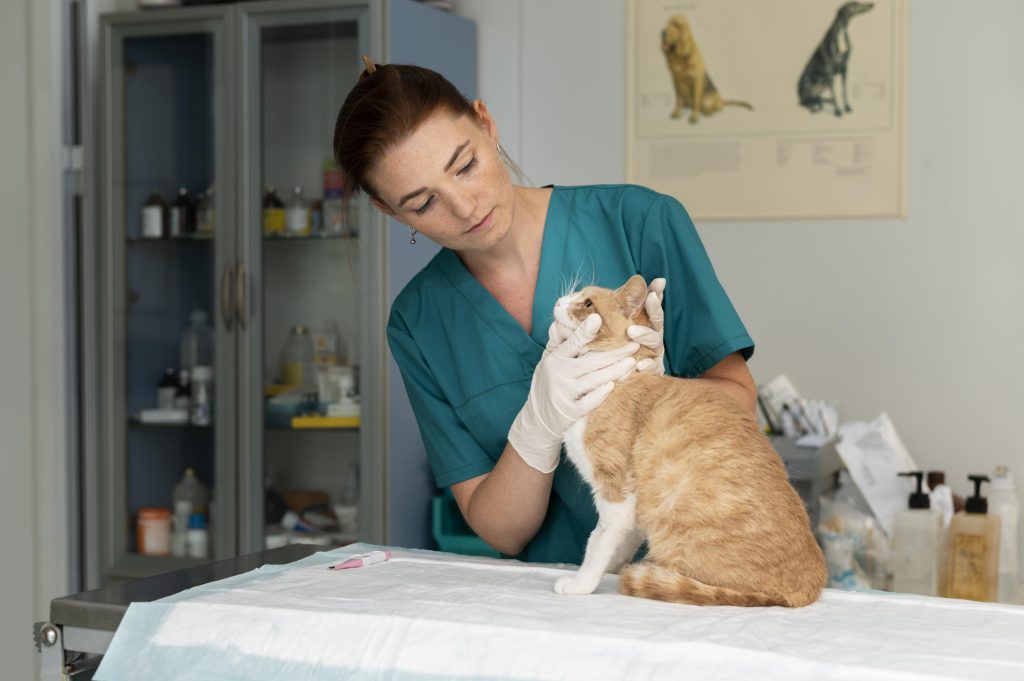
Yes, many vets can spay a cat in heat, but it’s a bit more complex than a routine spay. When a queen is in estrus, her reproductive tissues are swollen and characterized by increased vascularity, which means the surgeon must work more slowly and control bleeding with extra care.
That’s why some clinics postpone, while others — especially high-volume TNR programs or experienced surgeons — proceed confidently. If your cat is trying to escape, lives near intact males, or is extremely distressed, spaying now can be the safer choice.
If her behavior is manageable and your vet advises waiting, that usually means waiting 7–14 days after the heat cycle ends, once swelling and vascularity have subsided.
You Might Also Like
When Can I Spay My Cat After She Has Kittens? Vet-Backed Timeline
Medical risks
Spaying a cat in heat does come with slightly higher medical risks, mainly because her reproductive tissues are more sensitive and vascular during this stage. Surgery may take a bit longer and carries a modestly increased chance of bleeding, though experienced surgeons manage this safely every day.
The key risks to know are:
- Extra bleeding from engorged or fragile vessels
- Tissue tearing if the ovaries or uterus are handled roughly
- Slightly longer anesthesia time
Most cats recover normally, and long-term outcomes are the same as a regular spay. If your cat has anemia, fever, or a known clotting issue, your vet may recommend waiting.
Ask what precautions your clinic takes—such as pre-op bloodwork or enhanced bleeding control—so you can make the best timing decision.
Best timing and evidence
Choosing the best time to spay a cat depends on health, behavior, and real-life urgency. Before the first heat is ideal—surgery is simpler, risks are lowest, and it offers the strongest protection against mammary cancer.
According to research, female cats spayed before six months of age can reduce their risk of mammary cancer by up to 91% compared to cats spayed later.
Many clinics recommend spaying between 4–6 months, while shelters may safely perform it as early as 8–12 weeks if the kitten is healthy. During the heat, many experienced vets still perform safe spays, though tissues are more fragile and surgery may take longer.
If your cat is already in heat and not at risk of mating, waiting 7–14 days after the cycle ends usually gives the smoothest surgical window. If pregnancy is possible, your vet will advise on timing and options based on your cat’s condition.
You Might Also Like
How Old Do Kittens Have to Be to Get Fixed? Spay Timing Guide
How Much Does It Cost to Spay a Cat in Heat?
Spaying a cat in heat usually costs a bit more, mainly because the surgery takes longer and uses extra supplies. The costs below are U.S.-centric — prices vary by country, clinic type, and local resources. In the U.S., low-cost clinics and municipal programs typically charge $40–$150, while private hospitals range from $300–$500+.
When a cat is in heat, expect a modest $20–$100 premium for added anesthesia time, monitoring, and hemostatic materials.
To avoid surprises, ask for an itemized estimate that includes:
- Pre-op exam and anesthesia
- Surgical fee, monitoring, and consumables
- Pain meds, recovery gear, and recheck visit
A quick call—with a clear, itemized quote—helps you compare options and choose the safest, most affordable plan for your queen.
Recovery Timeline
Recovery after spaying a cat in heat is usually smooth, though you may notice slightly more sleepiness, tenderness, or mild spotting in the first 24–48 hours.
Most queens settle quickly once hormones drop. Keep her in a warm, quiet room, offer small, frequent meals, and use an e-collar or recovery suit to prevent licking.
Normal signs include light spotting, deep sleep, and a slowly improving appetite. Red flags: heavy bleeding, pale gums, open incision, repeated vomiting, or collapse.
Most cats act like themselves again by day 4–7, with full healing by 10–14 days. Stay close, monitor her incision twice daily, and call your vet if anything feels “off.”
Final Thoughts
Yes — you can spay a cat in heat, but timing, vet experience, and your cat’s health all matter. The safest approach is simple: before the first heat is ideal, spaying during heat is often possible, and waiting 7–14 days after the cycle ends works well when there’s no escape or pregnancy risk. Surgeons decide based on bleeding risk, tissue swelling, and overall stability — and with skilled hands, outcomes are usually excellent.
Here’s a quick plan to guide your next step:
- Urgent risk or mating chance? Call your vet now.
- Stable and calm? Wait until 7–14 days post-heat.
- Ask about clinic experience, pre-op bloodwork, and pain control.
- Request an itemized estimate for anesthesia, surgery, and meds.
- Confirm what signs to watch for during recovery.
If you’re unsure, use this phone script:
“Hi, my female cat is showing signs of heat. Do you perform spays during heat? If so, what extra steps or costs should I expect, and what should I monitor after surgery?”
Thoughtful timing plus the right veterinary team leads to smooth, predictable outcomes. You’re not alone — your vet is your best guide toward a safe, stress-free spay.
You Might Also Like
Can a Cat Get Pregnant After Being Spayed? Know the Risks & What Vets Say!

Hi, I’m Mo Pavel—a writer, researcher, and devoted animal lover. With my Persian cat Luna and two loyal German Shepherds, Rex, and Max, I live a life centered around pets. Beyond my home, I care for stray dogs, ensuring they feel loved and safe. Through Cats Question, I share insights to help pet owners create better lives for their furry companions.