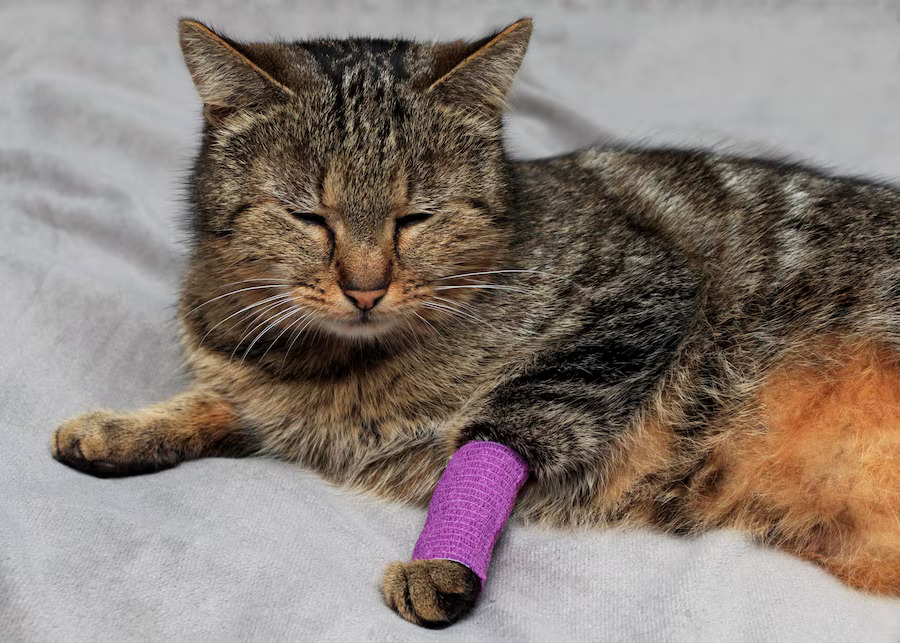
If your cat is underweight or losing condition, it’s scary — weight loss is a red flag, not a cosmetic issue. Most cats can regain healthy weight with proper vet checks and a carefully planned feeding strategy.
This guide covers vet-approved homemade recipes and feeding strategies for stable or mildly underweight cats — not a substitute for urgent veterinary care or prescription diets for recovery. Before you cook, weigh your cat and read the Safety Rules below.
Safety Rules
“Homemade food can help an underweight cat — but only if the diet is complete or supplemented and only after medical causes of weight loss are ruled out.”
Before you fire up the stove, know this: well-meaning DIY meals can easily fall short on essential nutrients. Plain cooked chicken isn’t enough — it provides protein but lacks the full balance your cat needs to stay healthy.
And while boosting calories helps, a vet exam must come first to find the real reason for weight loss. Balanced, supplemented recipes are the only safe path — think of them as the “blueprint” your cat’s body needs.
Important (red box): If your cat is losing weight or eating poorly, schedule a veterinary check (including blood work, fecal exam, and dental assessment) before changing its diet.
Best Ingredients
Helping your cat gain weight safely starts with calorie-dense animal proteins and controlled amounts of healthy fats, not random “human foods.” The most effective ingredients — like chicken thigh, turkey thigh, salmon, sardines, beef sirloin, and lamb — offer highly bioavailable amino acids that build lean tissue, while fats such as chicken fat or salmon oil add concentrated energy (≈9 kcal/g).
Example starter dosing (confirm with your vet): about ¼–½ teaspoon fish oil per 4–5 kg cat daily, added slowly to prevent diarrhea.
Small add-ins like egg yolk, warm bone broth, or tuna water boost appetite without harming balance — though bone broth adds flavor, not calcium, so always use a premix that includes it. Limit liver to no more than 5% of total meat content weekly to avoid vitamin A buildup.
For fast, safe weight gain, focus on rich proteins and safe fats — always paired with a premix or taurine supplement to keep nutrition complete.
You Might Also Like
7 Vet-Approved Homemade Recipes
These 7 homemade cat food ideas give you clear, vet-style guidance to safely boost calories, rebuild lean mass, and tempt even the pickiest eater. Each recipe is simple, budget-friendly, and designed to work alongside a premix so you don’t risk taurine or mineral deficiencies.
Choose the texture your cat prefers, start with small portions, and monitor appetite, stool, and weekly weight.
Chicken Thigh + Pumpkin Bowl
This soft, comforting bowl is perfect for picky eaters and cats with sensitive stomachs. Cook skin-on or skinless chicken thigh (remove excess skin or fat if your cat has loose stools), mince it finely, and warm plain pumpkin purée before mixing them.
Fold in up to ¼ egg yolk per 4–5 kg cat and a little salmon oil for extra calories, then add your premix per serving as directed on the label so the meal stays nutritionally complete. It’s gentle, hydrating, and easy to digest — great for daily support while monitoring weight and stool changes. My neighbor’s Pasha loved this, warmed up, and ate every bite.
Salmon & Egg Muscle Builder
This recipe shines for cats who love fish. Gently cook boneless salmon, flake it with a fork, and blend in a soft-cooked egg yolk for protein and fat. Add a touch of fish oil and loosen with warm, low-sodium bone broth. Mix in your premix once the food is lukewarm.
The rich aroma often wins over cats with low appetites, and the higher fat content helps increase calories quickly.
Beef & Liver Iron-Boost Formula
Use this one occasionally and only when advised by a vet. Cook lean beef and a very small amount of beef liver, then mince them together for a smooth texture. Add a little beef fat or oil to increase calories, then incorporate the premix to avoid a vitamin A imbalance.
It’s dense, hearty, and nutrient-rich—ideal for short-term support in cats needing gentle iron boosts.
Turkey & Rice Sensitive Stomach Mix
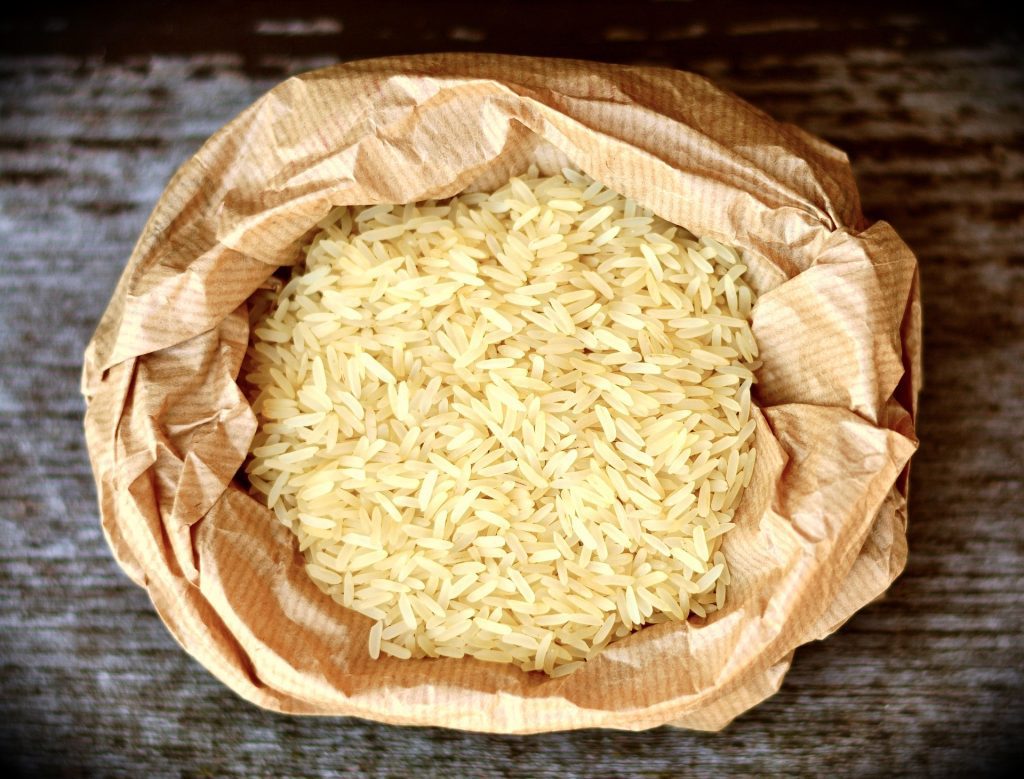
Light, soothing, and easy to digest — great for cats recovering from dental work or mild tummy issues. Cook ground turkey thigh, mash in a small scoop of soft white rice (use rice sparingly and only if your cat tolerates grains; omit for carb-sensitive or diabetic cats), and blend with plain pumpkin.
Let it cool slightly, then add your premix. Because this mix is lower in calories, increase fat — such as a touch of egg yolk or oil — only as your vet advises.
You Might Also Like
Sardine & Chicken Omega Mash
A flavorful mix for cats who respond to strong, fishy aromas. Mash canned sardines (in water) with cooked chicken thigh, then blend in a touch of salmon oil for omega-3s. Stir in your premix and warm it slightly to boost the aroma. It’s excellent for tempting cats who’ve gone off food and also supports skin and coat health.
Lamb & Sweet Potato High-Calorie Meal
This is your most calorie-dense option—best for short-term use during significant weight loss. Cook fatty lamb cuts, mash in soft sweet potato, and mix a small amount of lamb fat or oil if tolerated. Add your premix and serve warm. It’s rich, satisfying, and great for cats who need more energy in small portions.
Emergency Scrambled Egg Add-On
A lifesaver when your cat refuses everything else. Scramble plain eggs (no salt or butter), chop them into tiny pieces, and moisten with a spoonful of warm bone broth. Serve in tiny, frequent portions. Use only short-term—if fed for more than 48–72 hours, add a premix and speak to your vet.
How Much & How Often
Helping your cat gain weight safely starts with a clear calorie target. Most adult cats do well beginning at about 20% above their RER, using the simple formula: 30 × bodyweight (kg) + 70. For example, a 4 kg cat’s RER = 30×4 + 70 = 190 kcal/day; with a 20% increase, that’s about 228 kcal/day, divided into 3–6 small meals (≈55–60 kcal each).
Warm meals, gentle toppers, and quiet spaces help boost appetite. Weigh twice weekly for the first few weeks, note stool and appetite changes, and take quick body photos to track progress.
Warning: cats that haven’t eaten for 48+ hours risk hepatic lipidosis — never force or free-feed suddenly; seek veterinary refeeding guidance. I jot weight notes in my phone each week — small patterns tell you a lot. Slow, steady gains always beat fast ones.
Special Situations
Special-feeding cases — seniors, kittens, sick or recovering cats, picky eaters, and low-activity indoor cats — need plans that go beyond “just add more food.” Each group has unique calorie and nutrient needs, so small adjustments in texture, frequency, and protein type make all the difference.
- Seniors: Use soft, high-aroma meals with easily digestible protein; check kidney health and keep sodium low.
- Kittens: Feed about twice the energy per kg of an adult cat, using kitten premix and more frequent meals.
- Post-op or recovering cats: Offer tiny, warm “bridge” meals every few hours and call your vet if appetite or tolerance drops.
- Low-activity indoor cats: Keep the calorie surplus small (5–10% above maintenance) to avoid fat gain.
If your cat has CKD, pancreatitis, diabetes, or heart disease, always get veterinary guidance — these conditions need tailored diets. An older cat I knew with kidney issues ate better with warm fish toppers, but still needed a renal prescription diet; supplements alone can’t replace that.
Common Mistakes
Many owners trying to “fatten up” a thin cat fall into dangerous traps—lean chicken breast only, too much liver, no taurine or premix, or offering unsafe human foods. These mistakes feel logical in the moment (“more meat = better”), but biologically they lead to calorie gaps, vitamin A toxicity, taurine deficiency, and serious GI upset.
Use this rule of thumb:
- Balance beats variety.
- Premix beats guessing.
- Slow transitions beat overnight switches.
Real wins happen when you add safe fats, use supplements correctly, and transition over 5–7 days.
Final Thoughts
Homemade cat food to gain weight fast can absolutely help an underweight cat — but only when it’s paired with the right calories, the correct nutrients, and steady monitoring.
Think of this guide as your roadmap: use balanced homemade meals with a premix when your cat is stable and eating, and choose vet-approved recovery diets like Hill’s a/d or Royal Canin Recovery when appetite crashes, weight drops quickly, or illness is involved.
Because in the end, feeding isn’t just nutrition — it’s care, responsibility, and love in action. Your attention. Found this useful? Share the post and comment with your cat’s results.
You Might Also Like

Founder of Cats Question and lead cat care writer, with a background in veterinary education in Bangladesh and a lifelong passion for cats. Dedicated to creating trusted, practical content that helps cat owners make better everyday decisions—guided by real-life experience and inspired by a deep commitment to feline health and wellbeing.