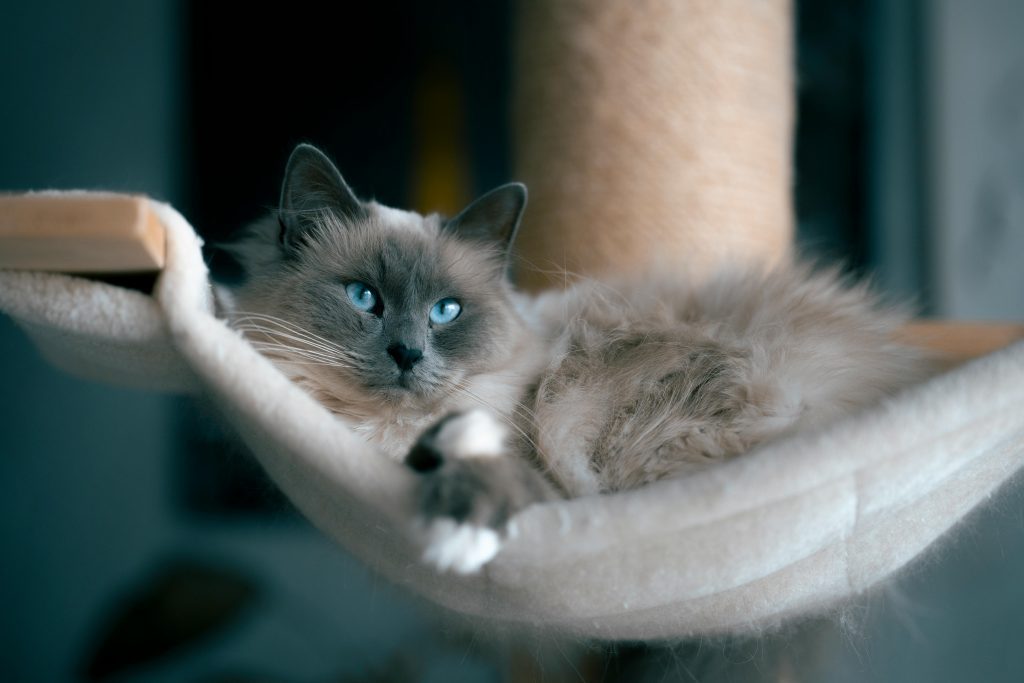
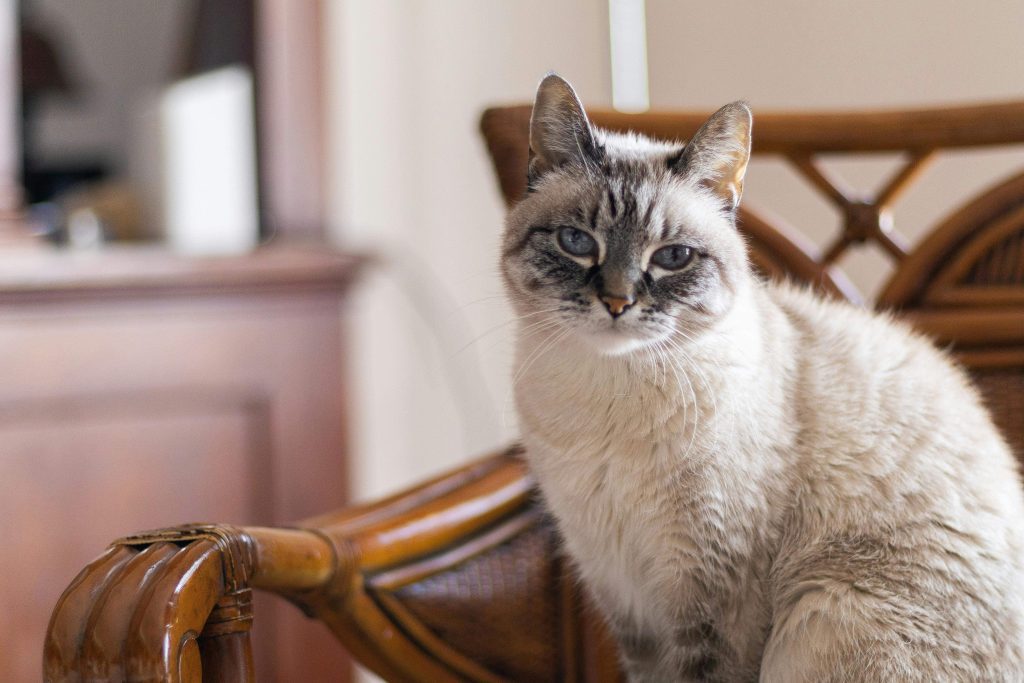
A Blue Persian softens any room — the plush blue-gray coat, round face, and warm copper eyes create a calm, velvety presence that’s hard to forget. This guide explains what “blue” really means — a simple dilution gene turning black into blue, not a separate breed.
Known for their calm, affectionate nature, Blue Persians suit apartments, families, and anyone seeking a gentle, ornamental companion.
Here, you’ll learn what makes them different from blue-cream or blue-smoke varieties, the care they truly need, and which costs actually matter.
Appearance & Genetics
A Blue Persian isn’t truly “blue”—it’s a diluted black coat created by the dd dilution gene (technically, the recessive “d” allele in homozygous form, meaning two copies are needed to produce the color). This turns deep pigment into a soft steel-gray shade. They aren’t a separate breed; just the Persian you know and love, dressed in a cool, plush tone.
Expect a long, dense coat, usually with copper or gold eyes; blue or odd eyes are rare and often linked to white spotting or other genetics. Face types range from doll-face (more natural muzzle and easier breathing) to ultra-type (flatter features with higher tear and airway care needs).
When viewing breeder photos, look for natural light and consistent color across angles—studio lighting can make a gray appear almost purple. Blue Persians look luxurious, but choosing the right face type and keeping their comfort first makes life smoother for both you and your cat.
History & Origins
Persian cats trace back to longhaired felines from Persia (modern Iran) and nearby Central Asian regions, brought to Europe through 17th–18th century trade routes that quickly turned them into prized companions.
By the Victorian era, Persians—especially the new blue (diluted black) coats—became fashion icons, boosted by royal interest and early cat shows.
As breed standards formed in the 19th and 20th centuries, features shifted from natural “doll-face” profiles to today’s flatter show types.
Why it matters: this evolution shapes modern expectations—owners should prioritize ethical breeding, health screening, and line history over color alone.
You Might Also Like
White Persian Cat: Traits, Grooming & Care Tips, Cost + Pics
Temperament & Behavior
They are usually calm, cuddly companions who enjoy soft routines, gentle voices, and predictable bonding time. Their temperament isn’t shaped by color but by breeding, early socialization, and the home they grow up in, so focus on reputable lines and confident handling.
Most settle happily with kids, seniors, quiet dogs, or other cats when introductions are slow and supervised. Their “low-energy” nature is normal, but sudden withdrawal, skipped meals, or hiding can signal health issues.
Choose steady enrichment, teach gentle interactions, and watch for subtle behavior changes—these small habits help a Blue Persian truly thrive. Now that you know the typical Blue Persian temperament, let’s look at health issues you should screen for.
Health issues
These cats are stunning, but their beauty comes with predictable health needs you should understand from day one. Most issues—like PKD, tear overflow, dental crowding, and brachycephalic airway concerns—are Persian-specific, not color-related; the “blue” coat only makes tear stains more visible.
Genetic Screenings to Request
PKD (polycystic kidney disease) is an inherited condition that can be detected by a DNA test or an ultrasound—ask breeders for test results, lab names, and test dates. For cardiac health, check if the breeder performs auscultation or echocardiogram screening for HCM (heart disease), and request eye exam results from a certified ophthalmologist.
Conformation-Related Concerns
Flat-faced (brachycephalic) Persians may have tear overflow or mild airway noise; regular eye cleaning and monitoring help prevent irritation. Dental crowding can also occur, so annual dental checks are important.
After bringing your cat home, schedule a vet visit within 48–72 hours (or within a week if adopted from a shelter) and start simple routines:
- Daily: gentle eye cleaning
- Weekly: thorough brushing
- Yearly: bloodwork, dental, and cardiac review
If you notice green discharge, noisy breathing, or sudden appetite loss, call your vet. Early screening and small daily habits protect a Blue Persian’s comfort and long-term health.
Grooming & Daily Care
Grooming a Blue Persian is all about short, steady routines that protect their long double coat from painful mats and keep that soft blue shine looking fresh.
Start with daily 5–10 minute brushing, using a slicker to smooth the topcoat and a wide-tooth comb to check common trouble spots like the armpits and behind the ears.
For small tangles, gently tease from the tips outward, never pulling. Baths every 4–8 weeks help control oil and shedding—always dry fully on low heat, brushing as you go to prevent felting. Flat-faced cats need daily eye wipes to stop tear mats.
Small, consistent sessions beat big, stressful ones—and keep your Blue Persian comfortable for life.
You Might Also Like
Diet & Nutrition
Feed high-quality animal protein with healthy fats and added moisture—this keeps the coat shiny and supports urinary health. Most adults do best on 30–45% protein (dry matter) with a mix of wet and dry food.
To set portions, use simple calorie math: RER = 70 × (body weight in kg)^0.75, then multiply by 1.2–1.4 for a typical neutered adult. If you prefer not to calculate, follow the feeding guide on the can or measure by grams with a kitchen scale, adjusting every few weeks.
Blue Persians can gain weight slowly, so weigh monthly and reduce portions by 10% if they gain over 5% body weight in a month.
A sample split might look like this: morning, 25 g dry + 40 g wet, and evening, 30 g dry + 40 g wet (adjust as needed). Watch for early red flags, such as a dull coat, flaky skin, or weight swings. Measured portions and hydration boosters, like wet food or broth, help keep your cat healthy and sleek.
How Much Does a Blue Persian Cost?
Prices below are based on typical U.S. ranges—costs may be lower in regions like Bangladesh or South Asia, while imported or show-line cats can be higher due to shipping and registration fees.
Expect anywhere from $50–$5,000+, depending on whether you adopt, choose a pet-quality kitten, or seek a show-line pedigree.
Adoption fees are usually $50–$500, while most pet-quality kittens from reputable breeders range from $800–$3,000. Show-quality or rare-line blues can reach $2,000–$5,000+, driven by factors like health testing (PKD, cardiac, eye exams), breeder reputation, and coat quality.
Ongoing care adds up to—plan about $600–$2,500+ per year, including:
- Food: $200–$600
- Litter: $100–$300
- Vet care: $150–$600
- Grooming (DIY or professional): $0–$600
- Emergency/illness buffer: $300–$1,000+
Budget for both the purchase and maintenance costs—a well-screened, healthy line saves far more in the long run.
FAQs
Do Blue Persian cats have blue eyes?
Usually not. Most adult Blue Persians have copper, gold, or amber eyes. Bright blue or odd-eyed Persians are rare, often linked to white spotting or special genetics. Action: Ask breeders about eye lineage and request photos of parents.
Are Blue Persians hypoallergenic?
No. Persians produce standard Fel d 1 allergens, and long hair spreads dander. Tip: Daily brushing, air filtration, and vacuuming reduce allergens but don’t eliminate them.
Are Blue Persians high-maintenance?
Moderately. Calm personalities contrast with grooming needs: daily brushing, eye cleaning, and monthly baths if you want a show-ready coat. Vet care and health screenings add routine tasks.
Why is my Blue Persian’s coat changing color?
Benign causes include kitten maturation, season, lighting, or diet (omega-3s, protein). Rarely, dull or patchy coats signal health or genetic issues. Action: Monitor sheen and consult your vet if unusual.
Do Blue Persians shed a lot?
Yes—long, dense coat sheds regularly. Daily brushing controls loose hair; professional de-shedding helps during seasonal spikes.
Is my Blue Persian’s excessive tearing normal?
Yes—tear overflow is common due to facial conformation.
Can I feed my Blue Persian a homemade diet?
Yes, but it must be balanced by a veterinary nutritionist. Many commercial diets are safer long-term.
How can I tell if my Blue Persian is a show line or a pet line?
Show lines have extreme features, registration, and show records. Pet lines focus on health and temperament. Ask breeders for parent photos and lineage verification.
You Might Also Like
Final Thoughts
Blue Persian companion brings a quiet steadiness to any home, offering soft affection and low-drama loyalty when you can commit to routine grooming, early health screening, and a budget that supports long-term comfort.
If you’re ready for 10 minutes of brushing, predictable vet checks, and a thoughtful choice between adoption and a transparent breeder, you’ll enjoy the calm presence these cats give for 12–15 healthy years with proper care.
Key Takeaways:
- Calm, affectionate, ideal for peaceful homes
- Needs steady grooming + health checks
- Rewards committed owners with deep companionship
First-Week Plan:
- Day 1–2: Vet visit, quiet room, settle-in
- Day 3–5: Short grooming sessions, routine feeding
- Day 6–7: Gentle play + bedtime ritual

Hi, I’m Abir Ahamed—a writer, editor, and proud cat lover with a passion for feline welfare. I use my words to educate, inspire, and advocate for responsible pet care. Based in Bangladesh, I bring a unique perspective to Cats Question, hoping to help cat lovers make informed, compassionate choices.