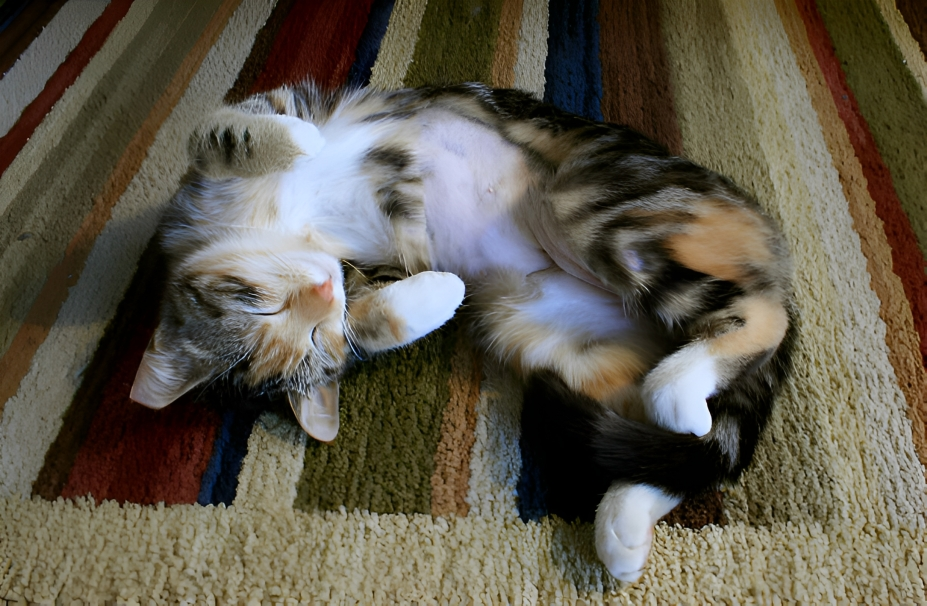
When a spayed cat starts acting pregnant, it can be both confusing and alarming — especially if you notice a swollen belly, nesting, nursing toys, or even a bit of milk.
The good news is simple and evidence-based: a properly spayed cat cannot get pregnant, though she may show pregnancy-like signs due to medical or hormonal reasons such as ovarian remnant syndrome, false pregnancy, or rare surgical errors.
Because these symptoms closely mimic a real pregnancy, it’s natural to worry that something went wrong. Stay calm, review your cat’s spay paperwork, and prepare to share clear photos or short videos with your vet — your quick response helps identify the cause and keep your cat safe and comfortable.
Why a spayed cat can’t get pregnant
A properly spayed cat cannot get pregnant because once the ovaries are removed, there are no eggs, no heat cycles, and no chance of conception. Still, many owners notice belly swelling, nesting, or even milk production after surgery and worry that something went wrong.
Most often, this is a false (pseudo) pregnancy. Less commonly, a tiny piece of ovarian tissue left behind after surgery — called ovarian remnant syndrome — can still make hormones and cause similar signs. In rare cases, partial removal or anatomical quirks play a role.
If your spayed cat is acting pregnant, document the signs, check your surgery paperwork, and contact your vet—these causes are uncommon, diagnosable, and treatable.
Recommended Post
How Old Do Kittens Have to Be to Get Fixed? Spay Timing Guide
Why your spayed cat might look pregnant?
If your spayed cat suddenly looks pregnant, the reassuring truth is that it usually points to something else. The most urgent causes include stump pyometra or uterine infection—often appearing months after spay and marked by fever, foul discharge, or lethargy.
Ovarian remnant syndrome can also trigger hormonal signs like heat behavior, nesting, or mild swelling weeks to months after surgery.
Milder causes include pseudopregnancy (false pregnancy) that shows up 1–6 weeks after heat or surgery, with slight mammary enlargement or nesting, and mammary inflammation or weight gain that develops gradually.
Sometimes, a hernia or abdominal fluid buildup can also create a round belly. Any new swelling, milk production, or discomfort in a spayed cat warrants a prompt vet visit to identify the cause and keep her comfortable.
If your spayed cat had kittens
If your spayed cat had kittens, the most likely reason is a failed or incomplete spay, where an ovary or part of the uterus was left behind and allowed your cat to cycle and conceive. This is far more common than rare medical anomalies.
A close second is ovarian remnant syndrome, where tiny leftover ovarian tissue becomes active again, especially if uterine tissue is still present. Less common explanations include paperwork mistakes, rescue miscommunication, or extremely rare extrauterine pregnancies.
What to do now:
- Confirm records and request the original operation note.
- Schedule a vet exam for ultrasound and hormone testing.
- Treat the situation as an incomplete spay until proven otherwise.
Birth after a recorded spay isn’t your fault—just a sign your cat needs a careful recheck and, usually, a simple corrective surgery.
Can you spay a pregnant cat?
Yes — you can spay a pregnant cat, and vets perform this procedure regularly, especially in early gestation when the uterus is still small and the surgical risk is lower. Spaying a pregnant cat removes the uterus, which ends the pregnancy, so timing and ethics play a major role in the decision.
Early stages are usually straightforward; later stages require careful discussion about safety, recovery, and your ability to care for newborns if you choose to let the pregnancy continue.
The best next step is simple: ask your vet to confirm gestational age, explain the risks for your cat, and help you choose the most humane, practical option for your situation.
Recommended Post
Heat-Like Behavior After Spay — Is It Normal?
Short answer: Brief heat-like signs in a recently spayed cat are usually due to residual hormones, but new or recurring signs months later are not normal and need a vet check.
If your cat was in or near heat at the time of surgery, circulating sex hormones can take days to a few weeks to decline, so mild behaviors like yowling, rubbing, rolling, or restlessness during the first 1–6 weeks often fade on their own.
However, if these signs persist or return months later, it may indicate ovarian remnant syndrome, exposure to human hormone creams, or, rarely, a surgical complication.
If you suspect contact with topical human hormones, wash your cat’s bedding and consult your vet—removing the source often stops the signs.
How to confirm the spay
Confirming your cat’s spay status starts with reliable medical proof. Request the full operative report from the clinic that performed the surgery—it should list exactly what tissues were removed.
If records aren’t available, your vet can examine your cat for a faint belly scar or signs of previous surgery, though scars can fade over time.
When uncertainty remains, an ultrasound can reveal if any uterine tissue is still present, and simple hormone tests (like progesterone or estradiol) can detect whether ovarian cells are still active. These quick diagnostics give clear answers and peace of mind. Now that we’ve explained why pregnancy is unlikely, let’s look at the medical reasons that mimic pregnancy.
Complications That Mimic Pregnancy in Spayed Cats
When a spayed cat looks or acts pregnant, it’s rarely pregnancy, but it can be a medical warning. Conditions like stump pyometra, mastitis, mammary hyperplasia, or ovarian remnant syndrome create the same signs owners associate with gestation: a round belly, swollen teats, nesting, clinginess, or even milk.
Metabolic issues, especially rapid weight gain, add to the confusion. Vets sort these out with a simple workflow: history, spay records, exam, ultrasound, and targeted tests such as milk culture or progesterone levels.
Your next steps:
- Photograph changes (belly, mammary glands, behavior).
- Check your cat’s spay paperwork.
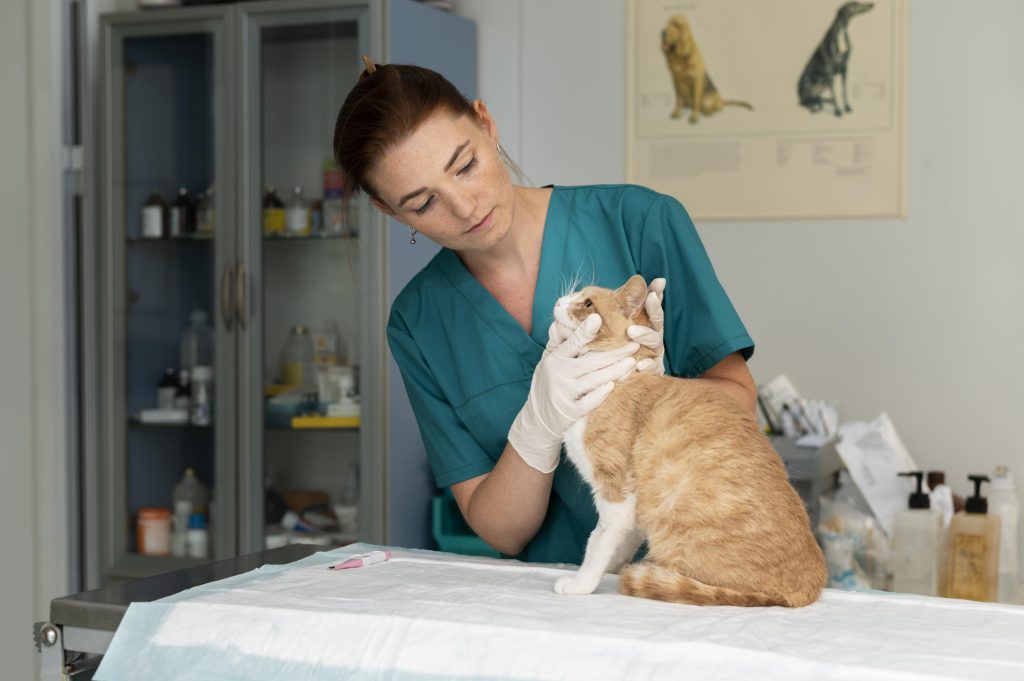
- Call your vet promptly for swelling, fever, discharge, or lactation.
These signs matter — quick evaluation protects your cat’s health and brings fast clarity.
Final Thoughts
If you’re wondering whether a spayed cat can get pregnant, the answer is simple: a complete spay removes the ovaries, so pregnancy isn’t possible. When “pregnancy-like” signs appear, the cause is usually something far more common — weight gain, pseudopregnancy, or mild hormonal shifts.
Less often, issues like ovarian remnant syndrome or an incomplete spay explain the changes, and both are diagnosable and treatable.
What to do now:
- Take photos of the belly or behavior changes.
- Find spay records or clinic details.
- Call your vet if there’s fever, discharge, or sudden swelling.
Most cases resolve quickly once a vet examines your cat — and getting answers early brings the peace of mind you deserve. Worried your spayed cat is acting pregnant? Book a vet exam and bring photos + spay records.

Founder of Cats Question, a veterinarian (DVM), and lifelong cat enthusiast with hands-on experience in feline care. Passionate about helping cat owners through expert-backed, compassionate advice inspired by years of living and learning alongside cats.