You’re lying in bed when you hear it—a faint, whistling sound from your cat’s breathing. They look relaxed, maybe even asleep… so why does it sound wrong? If you’ve wondered, “Why is my cat wheezing but acting normal?”, you’re not alone.
If you see open-mouth breathing, blue gums, severe weakness, or collapse—call an emergency vet now.
Wheezing is unsettling but often a clue rather than a catastrophe. It’s a whistling or raspy sound caused when air squeezes through narrowed airways—like air through a pinched straw. It doesn’t always mean an emergency, but it is worth noticing.
In this guide, you’ll learn how to tell wheezing from coughing or hairballs, why cats can wheeze yet seem fine, and when to monitor versus call your vet. Think of wheezing as a signal, not a diagnosis.
What does wheezing sound like in cats?
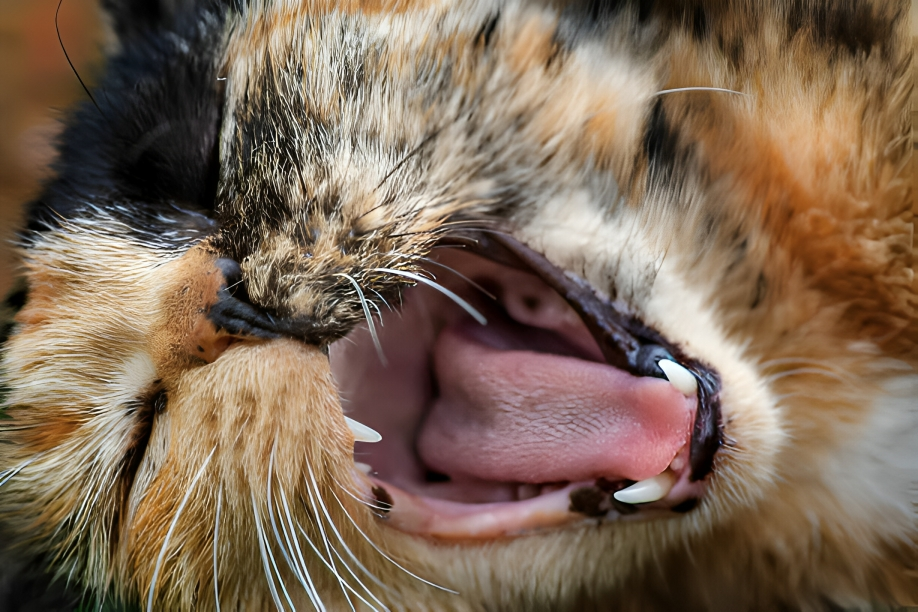
Wheezing can be subtle and easy to miss. It often comes and goes, may sound worse at night, and can improve once the trigger passes. You might hear a soft whistle—often more noticeable on the exhale—a faint rattle, or a strained, airy sound while your cat breathes, especially when they’re asleep or relaxed. Wheezing tied to lower airways (like asthma) is often louder on exhale, while noisy breathing on inhale may point to an upper airway issue.
Sounds commonly confused with wheezing include:
- Wheeze: a soft whistling sound, often on exhale, sometimes continuous with breathing
- Cough: a sudden, forceful expulsion, usually with neck stretching
- Hairball gag/retch: repeated hacking or gagging, sometimes followed by a hairball
If your cat’s breathing sounds strained, rhythmic, or simply unusual—even without coughing—it’s worth paying attention. If you’re unsure, film the sound—phones are great for this, and early recordings can reveal what behavior alone can’t.
Why Is My Cat Wheezing?
Wheezing can sound alarming, but it’s really a clue—not a conclusion. It happens when air struggles to pass through narrowed or irritated airways, and the cause can range from harmless to serious. Knowing the likely category helps you respond calmly instead of panicking.
Mild & Common Causes
Some wheezing is temporary. Hairballs, dry indoor air, dusty litter, or mild allergies can irritate the airways—especially in long-haired or flat-faced cats. These sounds often come and go, may be worse at night, and usually improve once the trigger passes.
Moderate Causes That Need Monitoring
Conditions like feline asthma or respiratory infections can cause recurring wheezing, sometimes without obvious coughing. These episodes often repeat or slowly worsen and are commonly mistaken for “just hairballs,” especially when cats otherwise seem fine.
Serious or Emergency Causes
Sudden, intense wheezing—especially with open-mouth breathing, weakness, collapse, or rapid breathing at rest—can signal airway obstruction, severe infection, or heart disease. Cardiac conditions can cause fluid buildup in the lungs and noisy breathing and require urgent veterinary care.
You Might Also Like
Why is my cat wheezing while sleeping?
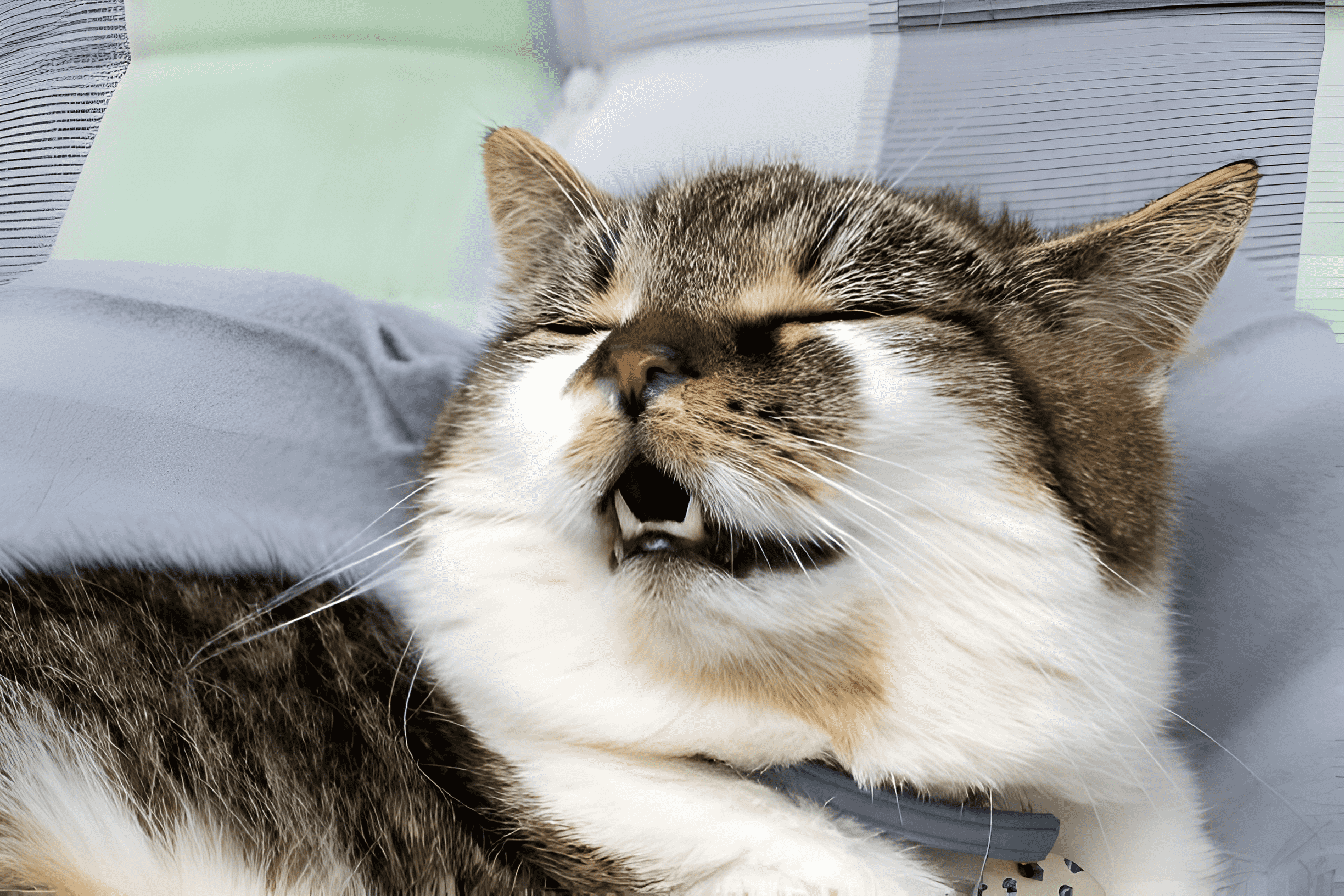
Wheezing often shows up during sleep because relaxed muscles can unmask mild airway narrowing. As breathing slows, slightly narrowed passages may vibrate—especially in flat-faced cats, older cats, or those with low-grade inflammation.
Quieter rooms simply make the sound easier to hear, not necessarily worse. It’s often only when the house is quiet that owners notice it—I still remember a wheeze that woke one client at 3 a.m.
Common reasons include:
- Relaxed airways revealing hidden inflammation
- Sleep position gently compressing the throat
- Dry air or allergens building up overnight
If the wheeze is mild, occasional, and your cat stays alert, monitor overnight and record a short video. If it’s frequent, loud, or paired with breathing effort or open-mouth breathing, seek urgent veterinary care.
Why is my cat wheezing but acting normal?
It’s surprisingly common for a cat to wheeze yet seem completely fine—and that’s because cats are experts at hiding discomfort. Wheezing usually means airflow is slightly narrowed, not that your cat is in immediate danger. It can come and go as airway irritation or inflammation changes, even when your cat looks relaxed or comfortable.
I’ve seen cats act normal at home while daily wheeze episodes—captured on video—revealed the real pattern.
Why it happens:
- Mild airway irritation (dust, litter, dry air)
- Early asthma or low-grade inflammation without obvious coughing
Why it matters: Cats often act normal until symptoms worsen. If wheezing repeats, keep a simple log for 7–14 days (date, time, activity, duration, triggers) and record short videos. Call your vet sooner if you notice faster breathing at rest, open-mouth breathing, blue gums, collapse, poor appetite, or lethargy. Early awareness can prevent bigger problems later.
Wheezing + other symptoms: what they mean
Wheezing rarely acts alone, and the other signs around it often tell the real story. When wheezing appears with sneezing or nasal discharge, it often points to an upper respiratory infection or allergy, especially if your cat otherwise seems alert.
Wheezing with gagging or retching, especially without producing a hairball, commonly signals airway irritation or feline asthma—something vets see often and take seriously. More concerning is wheezing paired with lethargy, poor appetite, or open-mouth breathing, which can signal pneumonia, heart disease, or severe airway distress and needs urgent care.
Quick rule: the more symptoms stack up, the faster you should act. When in doubt, record a short video and call your vet—early context saves lives.
You Might Also Like
What to do right now if your cat is wheezing
Hearing your cat wheeze can be scary—but calm, smart action makes all the difference. Start by keeping your cat quiet and stress-free, moving them to a calm room away from smoke, sprays, or strong scents. Don’t force food, water, or medications.
Next, observe and record: note when it happens, what your cat was doing, and take a 10–30 second video if possible. This helps vets triage fast.
Act immediately if you see open-mouth breathing, blue gums, or collapse—those are emergencies.
Otherwise, monitor closely, remove triggers, and book a vet visit if wheezing repeats or worsens. Think of wheezing as an early warning—not a panic button, but never something to ignore.
Treatment options vets use (and what to expect)
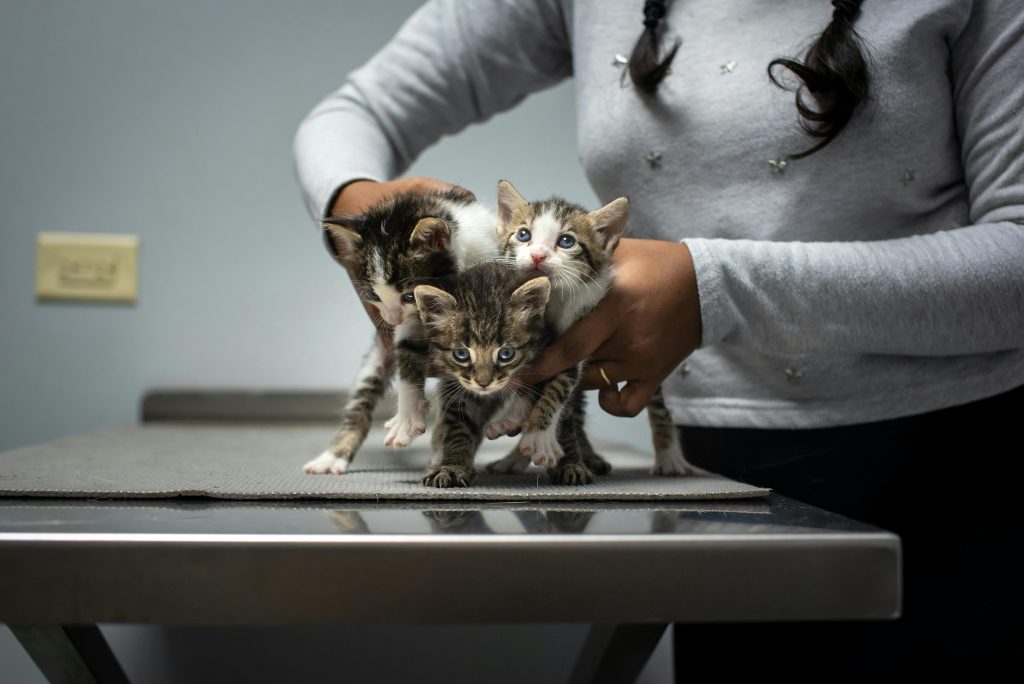
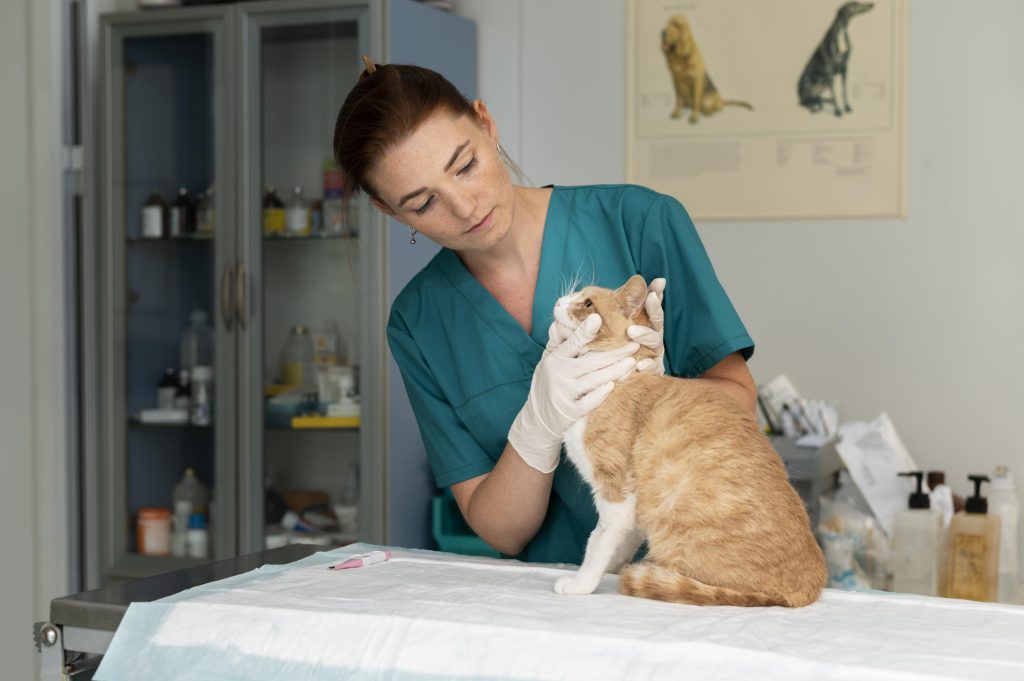
Treating wheezing means treating the cause—not just the sound. Vets usually focus on calming the airways, controlling inflammation, and removing triggers.
Common medical approaches include:
- Rescue bronchodilators (like albuterol): fast relief during flare-ups, but used only under veterinary guidance (they can raise heart rate).
- Inhaled corticosteroids: long-term control with fewer whole-body side effects; results may take time and usually require a spacer.
- Antibiotics: only when a bacterial infection is confirmed or strongly suspected.
At home, your role matters too:
- Improve air quality (no smoke, sprays, or dusty litter).
- Keep humidity moderate and reduce stress.
- Some bronchodilators are human medications—never use inhalers or meds on your own. Only give them if your vet prescribes the correct dose and shows you how to use a spacer and mask. In my experience, a short clinic demonstration saves weeks of anxiety.
The right mix of medical treatment and home care keeps most wheezing cats comfortable—and breathing easier.
Final Takeaways
- Wheezing is a symptom, not a diagnosis—it signals abnormal airflow.
- Mild causes exist, but serious ones matter, so never ignore persistent wheeze.
- Early action improves outcomes—short videos and simple logs help your vet spot patterns.
- If wheezing repeats, book a vet visit within 48–72 hours and bring your recordings.
If your cat shows open-mouth breathing, blue gums, or collapse—call an emergency vet now.
Think of wheezing as a small dashboard warning. Early recognition keeps your cat safer and treatment simpler. Want something practical to keep on hand? Save this page or use a simple wheeze checklist for quick reference.