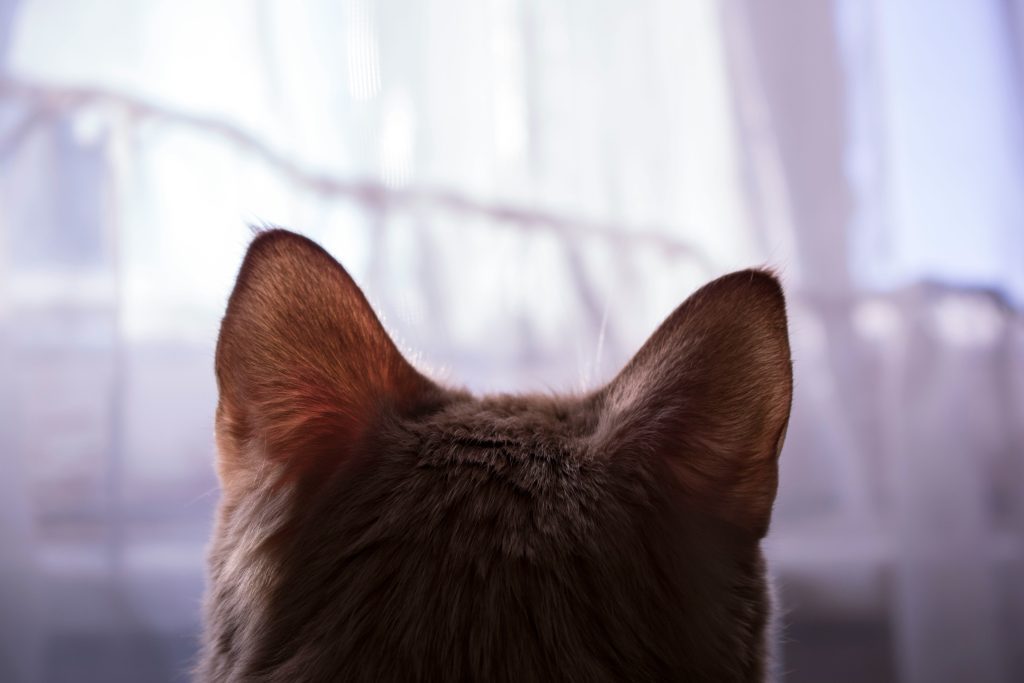
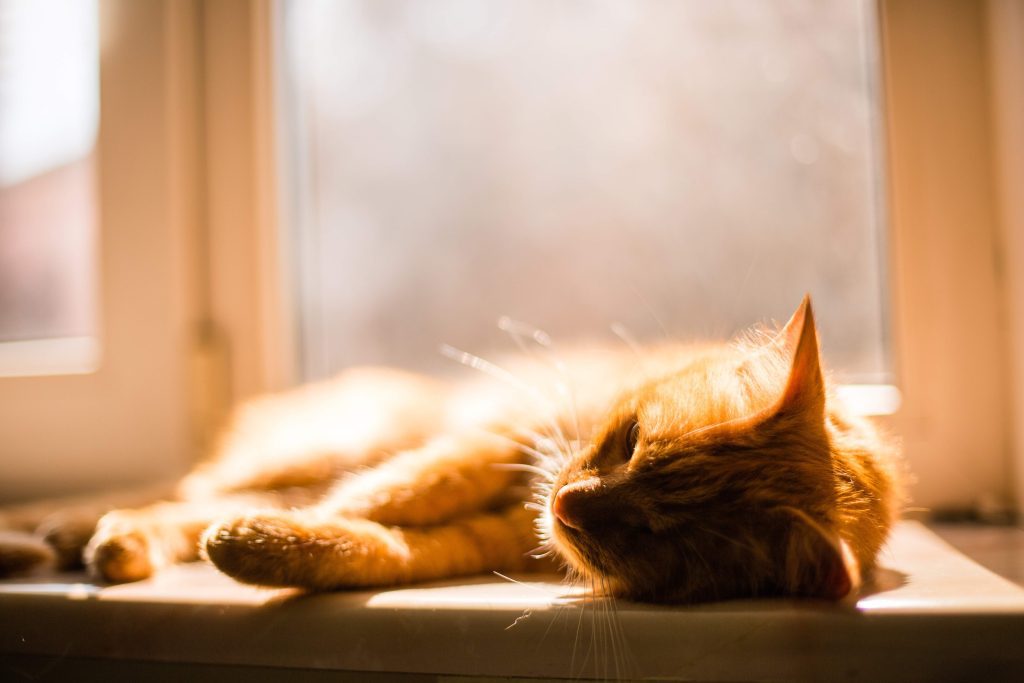
If you’ve ever wondered, “Are Persian cats affectionate, or just quiet?”, you’re not alone. Their love isn’t loud or clingy like a Siamese; it’s a soft, steady presence that shows up in tiny rituals — sitting near you, offering a gentle head-bunt, or greeting you from their favorite spot.
Persians prefer calm companionship over constant contact — genetics and their brachycephalic features may incline them toward gentler, slower interactions. Misread these cues and they can seem aloof, but look closer and you’ll see genuine attachment.
What “Affectionate” Really Means
Persian affection is quiet and intentional — think slow blinks, settling near your feet, and soft head-butts.
Quick signs:
- Slow blink when you look at them
- Sitting close without touching
- A soft head-butt before you leave or when you return
- Leaning into grooming or brushing
These are usually deliberate signals — repeated patterns of behavior that show attachment, not accidents. When you learn to spot these cues, you’ll see that a Persian’s quiet companionship is a powerful form of love.
How Persians Form Bonds With Their Owners
Persian cats build trust through quiet rituals and predictable routines rather than dramatic displays. They often choose one calm, consistent person as their anchor, but they can bond with the whole family when everyone interacts gently and on the cat’s terms.
A strong bond shows up in everyday moments — following you during morning chores or relaxing during short grooming sessions. These small patterns reveal growing comfort and confidence.
Bonding typically deepens over weeks to months, and shy or slow-to-warm Persians are no less loving; they need steady reassurance and a peaceful environment.
Behavioral Traits That Shape Persian Affection
Persian affection is built on calm, consistent behaviors, not flashy displays. Their gentle nature, love of routine, and strong response to grooming create a quiet but deeply loyal bond.
Grooming, in particular, strengthens trust by triggering calming hormones and relaxation — most Persians start to purr and lean during brushing, and that’s where the bond builds.
Key signals to watch:
- Calm presence in the same room
- Routine check-ins after feeding
- Leaning into the brush during grooming
Understanding these subtle behaviors helps you see how Persians express devotion in their own peaceful way.
Are Persian Cats Affectionate With Other Cats?
Persian cats can live peacefully with other cats, but their calm, low-energy nature means they bond best with polite, gentle companions. They usually do well with adults or mellow breeds like Ragdolls or British Shorthairs, while high-energy kittens can overwhelm them.
Success depends more on temperament and introductions than breed alone. Start with scent-swapping, short visual contact, and supervised sessions to prevent resource guarding.
- Great matches: calm adults, low-energy breeds, respectful kittens.
- Tricky matches: hyperactive breeds or pushy personalities.
With the right pairing and a slow, structured introduction, most Persians become steady, affectionate roommates.
Gender Differences — Male vs. Female Affection
Sex can shape certain tendencies in male vs. female Persian affection, but it’s never the whole story. Some male Persians often appear more openly affectionate and eager for routine lap time, while many females show love in a quieter, more selective way — though plenty are just as cuddly.
What truly shapes affection is spaying or neutering, early socialization, and overall health. Fixed cats of both sexes tend to be calmer, steadier, and more predictable in how they show love.
If you’re choosing a companion, meet the cat first and ask:
- How did they react to handling as a kitten?
- Do they seek out laps or prefer sitting nearby?
- Any history of stress around other pets or people?
Choose the personality — not just the gender — that fits your home.
Kitten vs. Adult vs. Senior
Persian affection shifts as they age, and knowing these patterns helps you guide the bond at every stage. Kittens show love through playful closeness and brief lap time; adults settle into calm, predictable routines that anchor their attachment; seniors often become more dependent, seeking gentle comfort as their bodies slow down.
To support healthy bonding:
- Kittens: add daily handling, short play bursts, and a steady “quiet cuddle” ritual.
- Adults: protect routines and let them initiate deeper contact.
- Seniors: upgrade comfort with warm beds and softer grooming.
Affection doesn’t fade—it evolves. Match your care to their stage, and the bond only grows stronger.
How Health, Comfort & Environment Influence Affection
A Persian’s affection often reflects comfort: when their body and environment feel safe and pain-free, their quiet love naturally surfaces — and when they’re uncomfortable, even the cuddliest cats can withdraw.
Health issues like dental pain, tear-stain irritation, or breathing difficulty can look like aloofness, while drafts, noise, or poor grooming comfort may push them into hiding.
To help your cat feel more affectionate, focus on restoring ease first:
- Quick at-home checks: watch for reduced appetite, less grooming, or flinching when touched near the mouth or eyes — any of these call for a vet visit.
- Add warmth and soft resting spots to reduce tension.
- Stabilize routines to lower daily stress.
For chronic breathing noise or persistent tear-staining, seek veterinary evaluation — some Persians need medical or surgical support. Affection often returns within days to weeks once comfort is restored.
How to Encourage More Affection
Persian cats respond best to calm, consistent care, so the most effective way to build affection is through small daily rituals they can trust. Try a short morning grooming or a simple 3-minute lap test — sit quietly, offer your hand, and let your cat decide.
If they come, keep it brief and stop at the first sign of tail flicking, ear rotation, or skin rippling. Let your Persian lead contact; these short, positive moments lower stress and steadily build lasting trust.
Final Thoughts
Persian cats are affectionate — but their love is calm, slow, and ritualized. Recognize it, respect it, and your bond will deepen. Start by observing where they like to be and how they show trust, from slow blinks to head bunts.
Add one daily ritual, like a 3-minute lap session or gentle evening grooming, and keep it up for a few weeks. Always prioritize comfort and health — sudden withdrawal often signals pain or stress, so consult a vet if needed.
Persian love is steady, wordless, and deeply rewarding — try the 3-minute lap test tonight and note how your cat responds. If they pull away suddenly, book a vet check; sudden changes often mean pain.
You Might Also Like
Are Bengal Cats Affectionate? Facts, Behavior & Bonding Tips

Founder of Cats Question, a veterinarian (DVM), and lifelong cat enthusiast with hands-on experience in feline care. Passionate about helping cat owners through expert-backed, compassionate advice inspired by years of living and learning alongside cats.