“Brown Persian cat” keeps trending on Google and social feeds because the shade looks rare and expensive — but here’s the truth: “brown” isn’t an official Persian color.
This guide cuts through the confusion fast by showing what “brown” usually means (chocolate, seal, or shaded tabby), how to spot look-alikes, and how to avoid listings boosted by filters or vague labels.
You’ll learn how to identify real chocolate vs. brown look-alikes, what actually affects price, the temperament and grooming needs of darker-coated Persians, and a quick, safe-buying checklist to use before messaging any seller.
If you want the real story behind the “brown Persian” trend — and a clear path to choosing the right kitten — you’re in the right place.
Brown Persian Cat Is NOT an Official Color
“Brown” isn’t an official registry color. Major registries — like CFA, TICA, GCCF, and FIFe — use precise terms such as chocolate, lilac, or seal, not “brown.” When sellers use the word casually, they’re usually referring to one of three real shades: chocolate, seal, or tortoiseshell. Each has different genetics, patterns, and price expectations, which is why correct naming matters.
To avoid confusion:
- Ask for the exact registry color name, not just “brown.”
- Request natural-light photos to see the true shade.
- Check pattern and undercoat — filters can distort color easily.
I often see “brown” used to justify a 20–30% price bump, so knowing the real color protects you from overpaying and helps you choose confidently.
Types that look brown
Many Persian cats appear “brown” at first glance, but each shade comes from a very different, officially recognized color category. Understanding these types helps you identify what you truly have, avoid mislabels, and communicate clearly with breeders, shelters, or vets.
Below is a concise guide to the most common Persian varieties that create a brown-like look — and how to tell them apart confidently in real life and in photos.
You Might Also Like
Chocolate Persian — how to ID
They show a warm, cocoa-like tone from root to tip — the closest match to what most people think of as “brown.” The color stays warm in natural light, with no point contrast and no visible tabby striping.
Because chocolate is genetically recessive, it’s rarer and often priced higher. Remember: when chocolate is diluted, it becomes the lilac/lavender family, not a lighter “brown.”
Check three things:
- Indoor vs outdoor color consistency
- Undercoat shade
- Tail-base color
If all three show the same warm cocoa tone — and the seller isn’t relying on Instagram-filtered photos — you’re likely looking at a true chocolate Persian.
Recommended Post
Light brown lookalikes
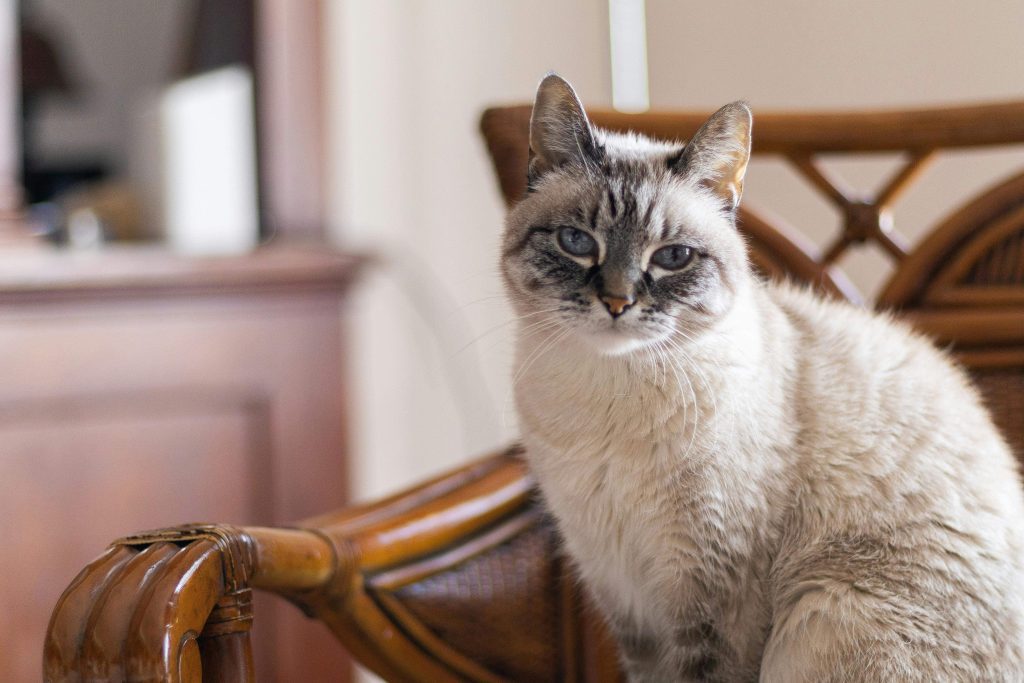
Cats labeled “light brown” are usually diluted chocolate, warm tabby, or cream. These shades shift dramatically under indoor lighting, sometimes appearing beige or sandy. Look for faint tabby lines, pinkish-lilac undertones, or a soft cream wash — clues that tell you it’s not true chocolate. This group is common and varies widely in appearance depending on age and lighting.
Seal & sun-faded black.

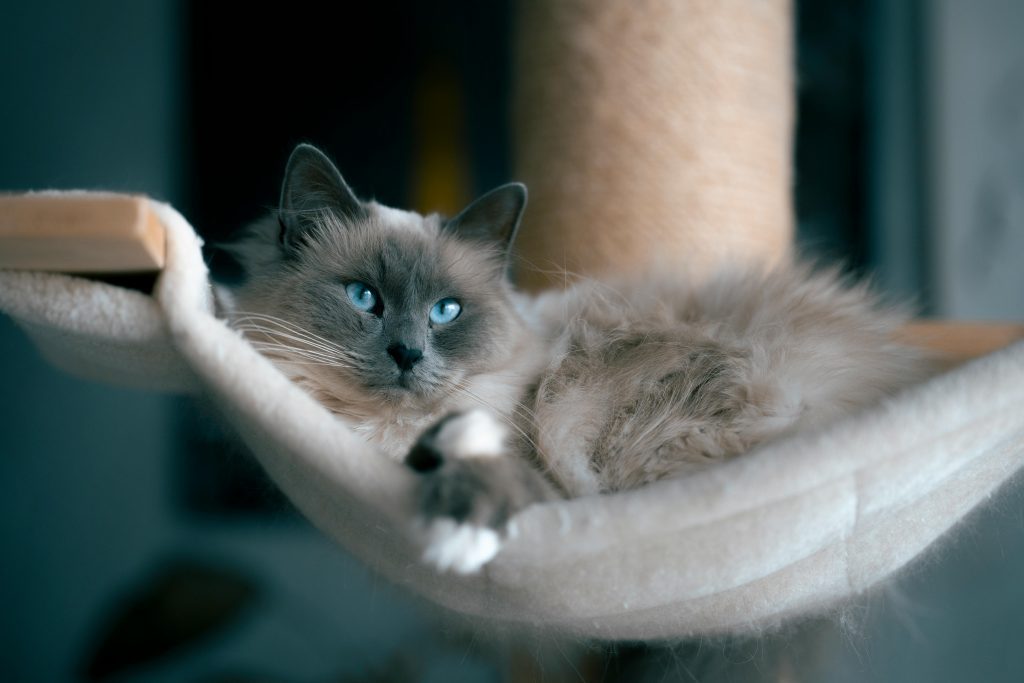
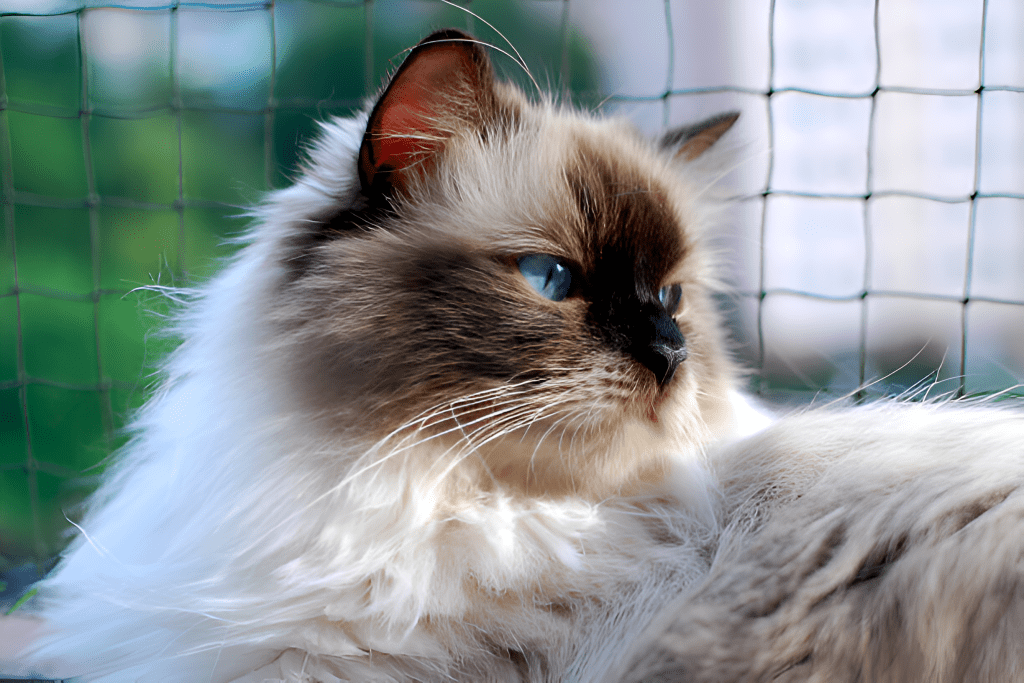
A deep, dark “brown” coat often comes from seal-point genetics or a sun-bleached black Persian. Seal cats show obvious point contrast (darker face, ears, tail, legs), while black Persians can take on a brownish cast after sun exposure. If the body and extremities differ sharply in tone, you’re likely seeing seal rather than actual brown.
Brown tabby
They look brown because each agouti hair has multiple color bands that blend into a warm brown overall effect. You’ll see clear striping, an “M” on the forehead, and a patterned body. This is one of the easiest “brown” types to recognize because the tabby pattern remains visible even in poor lighting.
Lilac that appears beige.
A lilac Persian is actually a cool-toned pale gray with a pinkish cast, but warm indoor bulbs or filters can make it look beige or light brown. The key ID cue is its cool, powdery undertone, not the warm tint you see in true browns. In daylight, you’ll usually spot a soft lavender sheen, and cool-toned eyes (pale green or amber) often match this shade.
I’ve seen lilac photographed as “beige” under warm lights many times — daylight photos fix this fast. Now that you can separate these look-alike colors, let’s look at how coat shade affects care and cost.
Physical Characteristics: Size, Coat, Eyes, Features
Persians are easily identifiable by their compact body, dense, long coat, and wide, expressive eyes. Most adult Persians reach 3–5 kg (6–11 lbs) in weight, filling out slowly over 12–18 months. Their coat is beautiful but high-maintenance, needing daily brushing and regular deep grooming to prevent mats.
Eye colors vary by type: chocolate Persians usually show warm amber or copper, seal-point types keep blue eyes, and torties range from amber to green.
To check if a cat is truly “chocolate,” inspect the root color, confirm shade in natural light, and review registry terms. Know the coat, eyes, and face type you’re choosing—maintenance and comfort matter far more than color.
You Might Also Like
Traits & Personality
Persians — whether labeled brown, chocolate, seal, or tortie — are known for calm, affectionate temperaments, and color has no real influence on personality. Most are steady, people-focused cats that enjoy gentle routines, soft voices, and predictable handling. You can expect quiet meows, a few short play bursts a day, and a strong love for warm spots (one chocolate Persian I met insisted on napping on laptop keyboards).
Torties sometimes seem “spicier,” but that’s usually individual temperament plus early socialization, not genetics. To bring out the best in any Persian, offer calm daily play, slow introductions, and consistent grooming practice.
Care & Grooming
Persian grooming is easiest when you follow a short, steady routine that keeps mats, tear stains, and dull coats from ever starting. A 10–20 minute daily session works best:
- Brush + comb (back, belly, underarms) to stop tiny tangles from turning into painful mats.
- Wipe eyes and face with a damp pad, especially for flat-faced Persians that stain easily.
- Spot-check the coat for oil buildup, which can darken brown or chocolate shades.
Add a weekly deep groom and a bath every 4–8 weeks using mild, color-safe products. Support the coat with high-protein food, omega-3s, and good hydration. Small, consistent care keeps your Persian’s long coat healthy, shiny, and comfortable year-round.
Price & where to buy
Prices for a “brown” Persian (including chocolate, seal, or tortie shades) vary widely, and most of the difference comes from seller type, paperwork, and health checks — not the color name. In India, listings can appear as low as ₹9,000, usually from brokers or bulk-style ads with no pedigree.
In the US, reputable breeders typically charge $1,200–$2,500, with show-line cats higher. I once helped a reader who paid a premium for a “rare brown,” and the kitten turned out to be a sun-faded black with no papers.
Before committing, confirm the registry, the exact registry color name, PKD test results, and vaccine records. Avoid sellers pushing “rare brown” pricing without proof, and ask for natural-light photos to verify the true shade.
Recommended Post
Brown Persian Cat Price 2026: Real Costs (Breeder vs Rescue)
Final Thoughts
Thanks for reading — whether you came for photos, pricing, or to see if a “brown” Persian fits your home, here’s the real takeaway: “Brown” is a casual label, not a registry color, and the things that truly matter are health, temperament, and breeder transparency.
If a listing uses the word “brown,” ask for the exact registry shade, request natural-light parent photos, and confirm PKD screening before you get attached to a picture.
Quick Buyer Checklist
- Verify the exact color term (chocolate, seal, tortie, lilac)
- Check pedigree and health records (PKD, vaccines)
- Request natural-light photos (full body, undercoat, tail base)
- Confirm microchip, contract, and refund/return policy
- Ask about early handling and socialization
If you don’t get clear answers within 24–48 hours, treat the listing as high-risk. Got a “brown” Persian ad that looks confusing? Paste the URL and two daylight photos (full body + undercoat) in the comments, and I’ll give you a quick ID.