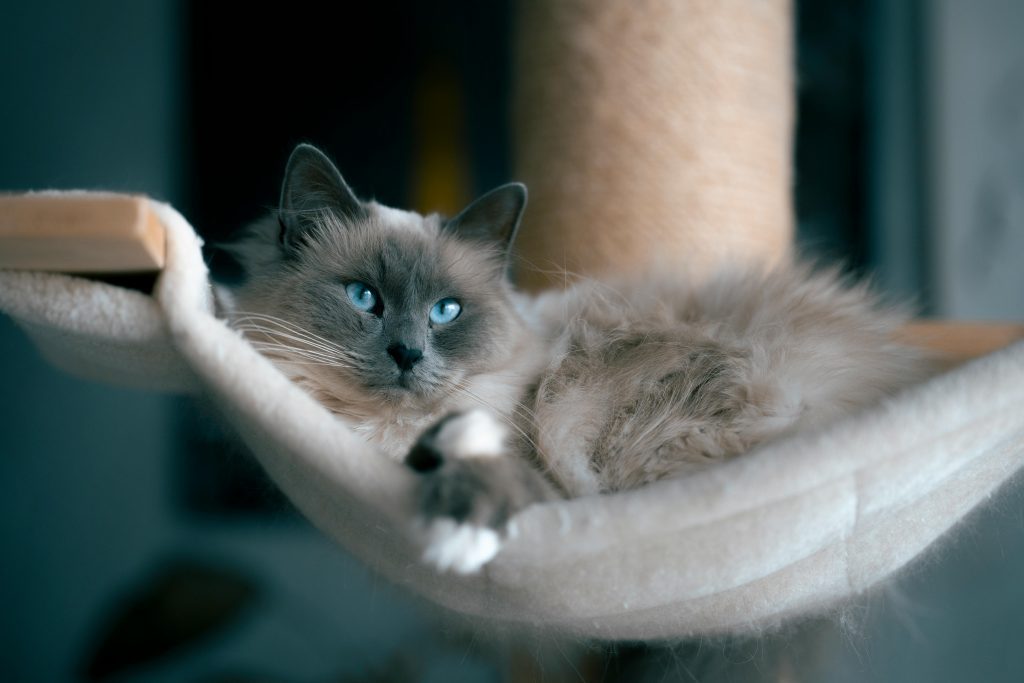
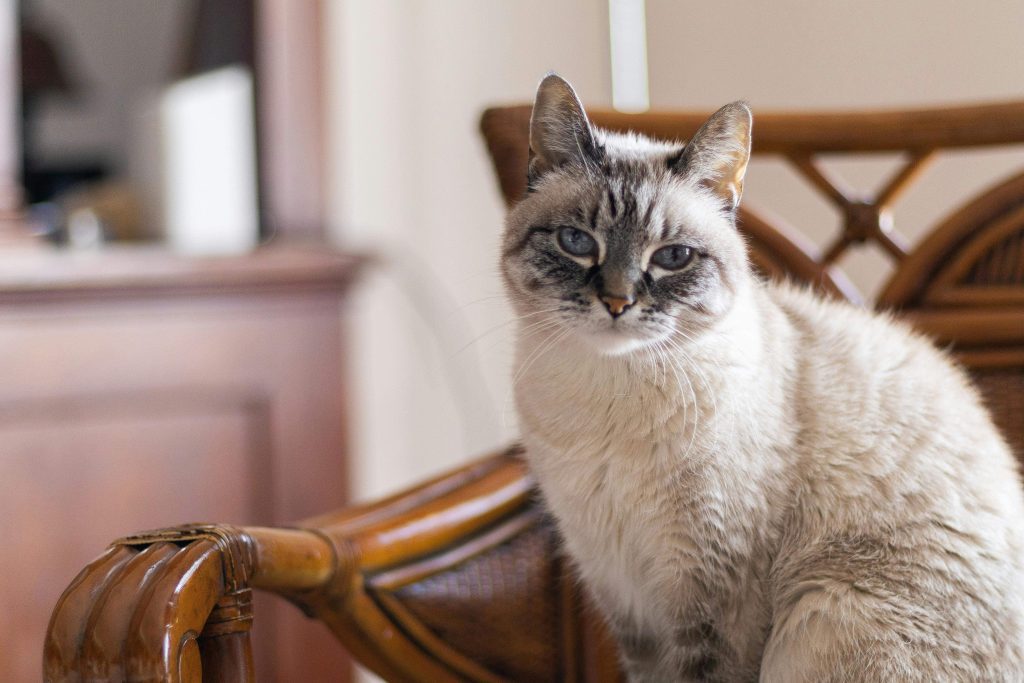
A Tuxedo Persian blends the classic charm of the Persian breed with bold black-and-white markings that instantly catch the eye. Popular on social platforms and in breeder portfolios, these striking, photogenic cats often make people wonder if they’re rare or more expensive. In reality, the tuxedo pattern is simply a color variation—not a separate type—and it doesn’t add health risks. They aren’t rare; they’re just especially eye-catching.
What Exactly Is a Tuxedo Persian?
This cat is simply a Persian with the classic black-and-white bicolor ‘tuxedo’ pattern created by the white-spotting gene (related to the KIT gene)—not a separate breed. The gene blocks pigment in specific areas, resulting in the familiar white bib, paw ‘socks’, and facial markings. In longhaired Persians, these edges look softer and more blended, which is why no two tuxedos ever match.
Expression varies widely: the same gene can create anything from tiny white toes to a full ‘jacket and shirt’ look. You’ll see Tuxedo Persians in black, blue, cream, red, and dilute combinations. It’s a color pattern only—temperament, health, and classic Persian traits stay the same.
Appearance & Traits
A Tuxedo Persian keeps the breed’s iconic long, dense coat, heavy-boned build, and familiar face types—the black-and-white pattern overlays the existing Persian look. The plush coat makes tuxedo markings appear softer and more blended than in shorthaired breeds.
Doll-face (less extreme) Persians tend to have clearer airways and lighter tear staining, while pushed or ultra-face types often require more frequent eye wipes and closer respiratory checks.
Eye colors range from copper to odd-eyed in some bicolor lines, and any persistent tearing on pale areas deserves attention. The look is striking, and care mostly depends on coat density and face shape—for example, an ultra-face tuxedo may need a quick daily eye wipe.
You Might Also Like
White Persian Cat: Traits, Grooming & Care Tips, Cost + Pics
Temperament & Behavior Explained
This cat temperament follows classic Persian traits—calm, gentle, people-oriented—and not the coat pattern. Most are quiet companions who enjoy routine, soft voices, and predictable handling. They read human tone well, so tension at home can make them hide, while steady routines help them thrive.
Around children or pets, they do best with slow introductions and clear escape routes. Early red flags—withdrawal, sudden aggression, over-grooming—often point to stress or pain, not personality.
Expect a steady, affectionate cat shaped by socialization, health, and environment, not the tuxedo pattern itself.
Full Grooming, Diet & Health
Caring for a Tuxedo Persian is all about consistency: 5–10 minutes daily, a weekly deep-groom, and a steady diet that keeps their coat healthy without adding extra weight. The tuxedo pattern doesn’t change health needs, but white areas show stains faster, and dark patches can hide mats, so quick wipes and light, section-by-section brushing help keep everything in check.
Daily Care (5–10 minutes)
- Wide-tooth comb for the bib and paws
- Slicker brush for surface tangles
- Gentle eye wipe to manage tear stains
Weekly Care
- Full comb-through, section by section
- Check for hidden mats behind ears and legs
Diet & Health
- Protein-focused, portion-controlled meals
- Routine PKD screening, plus dental and eye checks
Daily grooming, smart nutrition, and regular vet care keep a Tuxedo Persian healthy, comfortable, and picture-ready.
You Might Also Like
Tuxedo Persian Kittens — what to ask breeders
These kittens blend classic Persian calm with striking black-and-white markings, but at this age, health, handling, and early routines matter far more than color. A well-raised kitten should be curious, steady during gentle touch, and comfortable with everyday household sounds.
When meeting a litter, look for clear eyes, easy breathing, and clean coats, and ask the breeder for PKD test proof, details on any other genetic screens they perform, photos with the mother, and a written contract. Start grooming at 8–10 weeks with short 3–5 minute sessions and build a simple routine:
- Daily: soft brushing + face wipe
- Weekly: 10–15 minute comb-through
- Vet: Schedule the first visit within 72 hours of bringing the kitten home
Choose health and socialization first—markings are just a bonus.
Price & lifelong ownership cost
Expect prices to vary by country, breeder reputation, and kitten quality — and remember the purchase fee is only the beginning. Long-term expenses like grooming, vet care, food, and emergencies usually outweigh the initial price.
Most pet-quality Tuxedo Persians fall around $600–$1,200, while show-line kittens range $1,500–$3,000+, depending on pedigree, face type, and health screening. Rarer colors (like chinchilla or lilac) can sit higher. To plan realistically, factor in ongoing essentials.
- Purchase: typical North American ranges above (adjust for local markets)
- First year: vet checks, vaccines, spay/neuter, supplies, early grooming
- Annual: food, litter, routine vet visits, grooming, and an emergency buffer
Compare breeders by health, transparency, and what’s included — not just the listing price.
FInal Thoughts
They bring classic Persian calm and gorgeous black-and-white style — a low-drama, high-appeal companion for owners who value beauty, gentleness, and are prepared for daily grooming. They fit best with people who enjoy quiet routines, want a sociable but low-energy cat, and can commit 5–15 minutes of coat care each day.
If you prefer an active, low-maintenance breed or travel often, they may not be the ideal match. Before you decide, check health records, meet the kitten or adult in person, and plan that first vet visit. A little preparation goes a long way in helping your Tuxedo Persian settle in smoothly and shine in your home.

Founder of Cats Question, a veterinarian (DVM), and lifelong cat enthusiast with hands-on experience in feline care. Passionate about helping cat owners through expert-backed, compassionate advice inspired by years of living and learning alongside cats.