If you’ve ever searched for a “Short Hair Persian” (also called the Exotic Shorthair), you’re not alone—and you’re not wrong. While “Short Hair Persian” is a popular name, the official breed is the Exotic Shorthair, developed to keep the Persian’s sweet look and calm personality without the heavy daily grooming.
Often called “the Persian for busy people,” the Exotic Shorthair offers the same round face, plush body, and gentle temperament in a short, dense coat that’s far easier to manage. My neighbor’s Exotic greets everyone with a soft chirp—and somehow stays tidy without hours of brushing.
In this guide, I’ll show you—quickly and practically—what an Exotic Shorthair needs for coat care, diet, common health checks, and what ownership really costs.
Physical Appearance & Coat Types


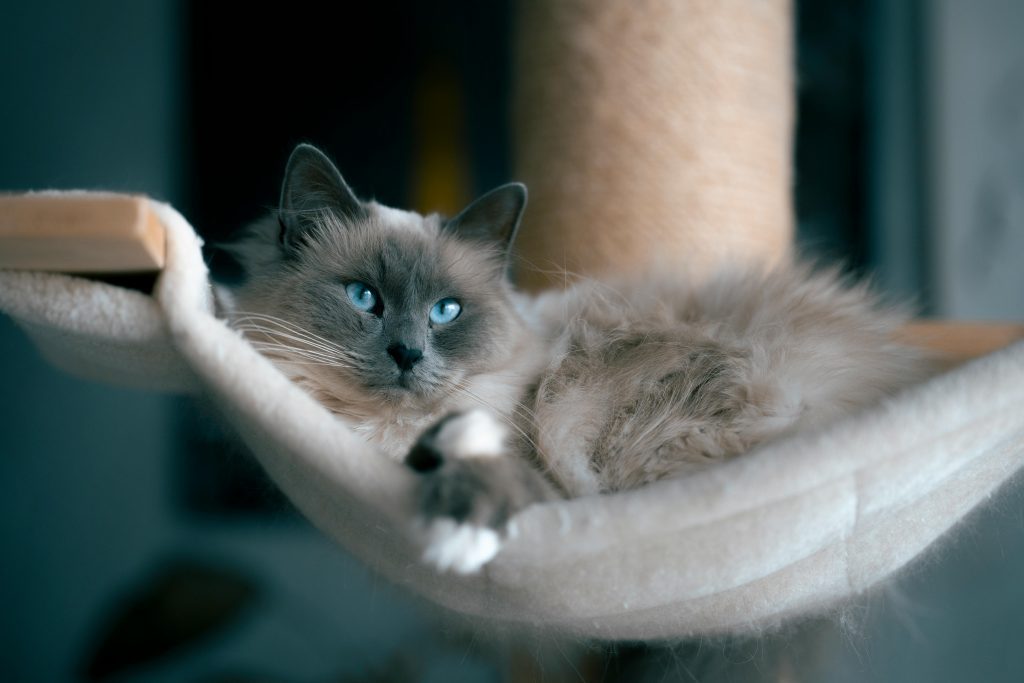
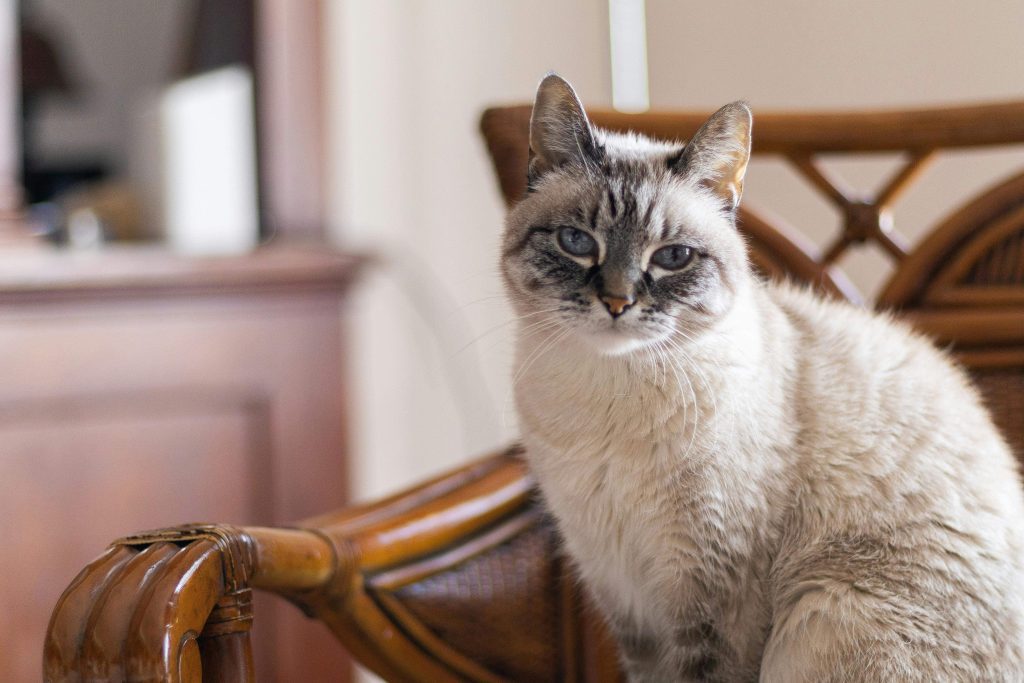
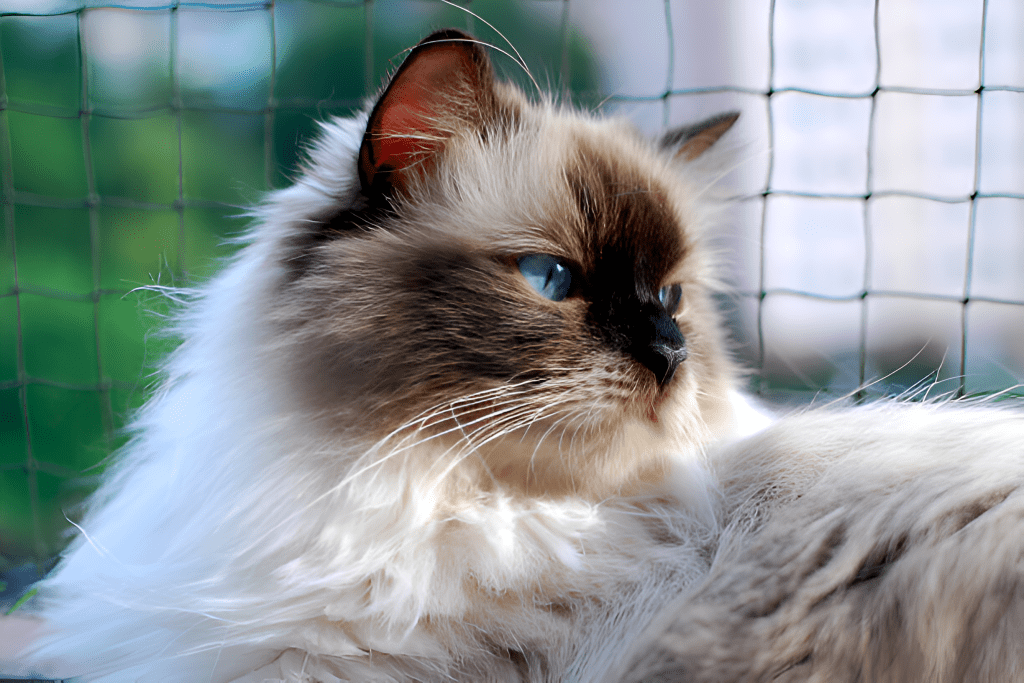
At first glance, a Short Hair Persian (Exotic Shorthair) looks like a plush toy brought to life — with a round face, wide eyes, and a compact, cobby body. The coat is short but extremely dense, with a soft undercoat beneath fine guard hairs, giving it that thick, velvety feel rather than a sleek finish. This plush structure also explains why Exotics shed despite having short fur.
Exotics come in nearly all classic Persian colors and patterns, including solid (white, black, cream), tabby, tortoiseshell or calico, bicolor, smoke, silver/blue, and colorpoint—with blue and silver shades especially popular in show lines.
Key visual traits to notice:
- Face: Round, expressive, and distinctly Persian
- Coat: Short, plush, and springy — never flat
- Body: Stocky, low-set, and heavy-boned
You get the classic Persian look in a neater, more compact package.
Personality & Temperament
Exotic Shorthairs are known for their calm, affectionate, and quietly loyal nature. They aren’t overly demanding, but most Exotics like being near their people and often pick a favorite — expect a quiet companion who prefers your lap to high-energy play. Some will happily snooze beside you for hours, occasionally greeting you with a soft chirp.
What to expect day-to-day:
- Gentle play bursts, followed by long, cozy naps
- Low vocalization — soft chirps instead of loud meows
- Affection on their terms: not clingy, but deeply attached
They thrive in predictable, low-stress homes, which makes them well-suited for apartments, seniors, or families with respectful children. While they handle calm routines beautifully, sudden changes can make some Exotics shy or withdrawn. Watch for sudden withdrawal, loss of appetite, or aggression — these behavior shifts can signal stress or underlying pain and deserve attention.
Those calm traits influence daily care — for example, their low activity level affects feeding and play needs. Let’s look at health and care.
Grooming & Coat Care
They may have short coats, but the Exotic Shorthair’s dense, plush fur still needs regular care to stay healthy. Think low-maintenance, not zero-maintenance.
What works best:
- Daily: Gently wipe the face once a day with a soft, damp cotton pad or unscented wipe to reduce tear staining and skin irritation.
- 2–3× weekly: Brush for about 5–10 minutes using a slicker brush or rubber grooming mitt, working in the direction of the coat and focusing on areas where the undercoat builds up.
- Bathing: Bathe only when necessary—most Exotics do well with a bath every 6–12 weeks, using a mild, cat-formulated shampoo and thorough rinsing.
A quick brush after meals often keeps loose fur off the sofa. Their thick coat traps shed hair, so skipping grooming can still lead to mats and hairballs. Short-haired doesn’t mean no work—consistent, light care keeps your Exotic clean, comfortable, and looking its best.
Recommended Post
Health Considerations
Short Hair Persians (Exotic Shorthairs) share the same health foundations as their long-haired relatives, so short fur doesn’t mean fewer risks. Their flat facial structure can affect breathing and tear drainage, while genetics increase the likelihood of conditions like polycystic kidney disease (PKD) and dental crowding.
What to stay on top of:
- Vet exams & PKD screening: Ask your vet about a PKD1 genetic test or abdominal ultrasound during the first adult checkup (around 6–12 months).
- Dental care: Start dental hygiene early and plan professional dental exams every 1–2 years to reduce gum disease.
- Weight management: Low activity levels mean extra attention to portions and body condition.
- Breathing & eye checks: Monitor snoring, discharge, or breathing changes—especially if they worsen suddenly.
Emergency sign: Rapid open-mouth breathing, collapse, or blue/pale gums → urgent vet visit. Good health starts with prevention. Regular screening, mindful feeding, and early veterinary guidance help Exotic Shorthairs live longer, more comfortable lives.
Recommended Post
Diet & Nutrition
Nutrition is one of the most powerful tools for keeping a short-haired Persian healthy, comfortable, and at a stable weight. Exotic Shorthairs tend to be less active and have flat faces, so they do best on a high-protein, moisture-rich diet served in measured portions.
What works best:
- Feed by life stage: Kittens need frequent, energy-dense meals; adults do best with portion-controlled feeding, while seniors may need adjusted formulas if activity drops.
- Portion control: An average adult Exotic often needs about 180–240 kcal per day, depending on size and activity—check food labels and adjust based on body condition.
- Hydration matters: Prioritize wet food for at least one daily meal, or add 1–2 tablespoons of water to dry food to support hydration and hairball movement.
- Quality ingredients: Choose meat-first formulas with taurine and omega-3s for skin, coat, and joint health.
- Slow eating: Measured meals, puzzle feeders, or split feedings help prevent overeating and aid digestion.
Feed for quality, not quantity. A balanced, moisture-rich diet—tailored to life stage and body condition—keeps your Exotic healthy, sleek, and thriving.
Recommended Post
Persian Cat Diet Guide: Feeding Schedule, Best Foods & Age TIps
Training, Enrichment & Daily Life
They thrive on predictable routines and gentle stimulation, not long or intense activity. Keep life simple but engaging.
- Play smart: 5–10 minute sessions, once or twice daily, using slow wand toys or puzzle feeders.
- Create calm enrichment: window perches, soft beds, and shallow bowls suit their flat faces and relaxed style.
- Train gently: reward-based cues like “touch” or calm crate entry work best in short bursts.
- Build consistency: same feeding times, same play window, same rest spots.
Small, consistent routines—rather than long workouts—keep Exotic Shorthairs mentally content, physically balanced, and behaviorally calm.
Recommended Post
How to Train a Persian Cat? Litter, Clicker & Advanced Tricks
Price & Ownership Costs
Owning a Short Hair Persian is a long-term financial commitment—not just a one-time purchase. Up-front costs range widely: adoption may run $75–$400, while reputable breeders often charge $800–$4,000+, depending on health testing and lineage. Ongoing costs add up faster than many expect:
- Monthly basics: food, litter, and preventives ($45–$250)
- Annual care: vet exams, vaccines, grooming ($300–$1,200+)
- Optional but wise: pet insurance or an emergency fund
Paying more upfront for health-tested cats often saves thousands long term. Budget realistically, plan for surprises, and your cat—and wallet—will thank you.
Final Thoughts
If you want a calm, affectionate companion with the classic Persian look—but less daily grooming—the Short Hair Persian can be a wonderful fit. They thrive in quiet homes, enjoy predictable routines, and reward gentle care with deep affection.
That said, they’re not “low-effort” pets. You’ll need to budget for regular vet care, quality food, and preventive health checks, especially for breathing and dental issues.
Best fit if you:
- Value a relaxed, indoor-friendly companion
- Can commit to routine care and moderate costs
- Prefer temperament over high energy
If you plan and choose responsibly, the Short Hair Persian offers a calm, deeply rewarding companionship. Have an Exotic? Share a photo and your grooming tip in the comments — best tip wins a feature!