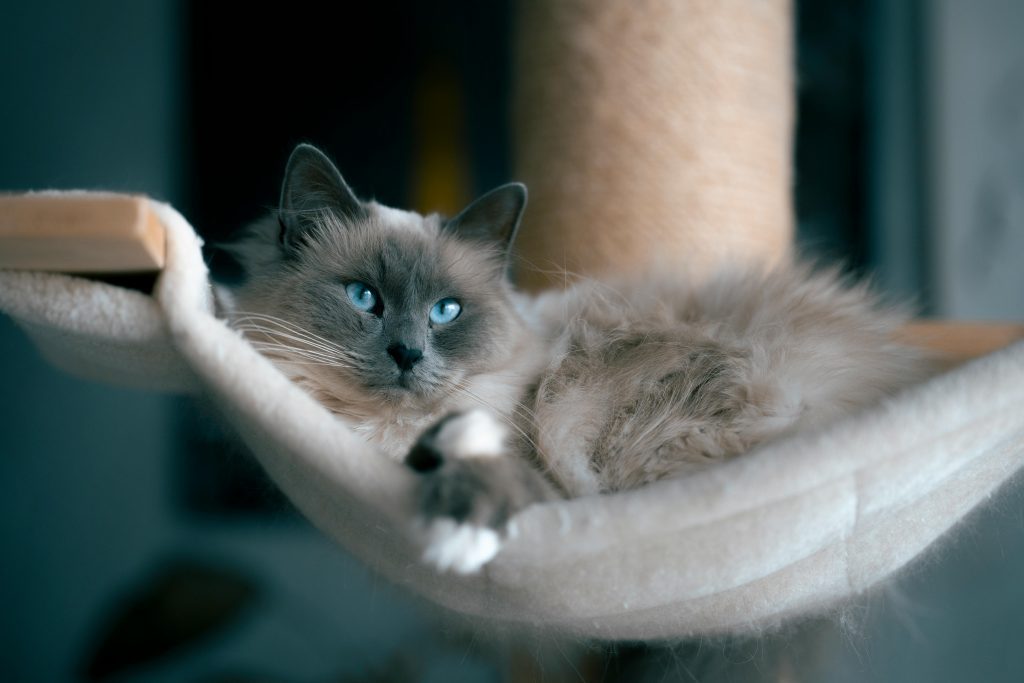
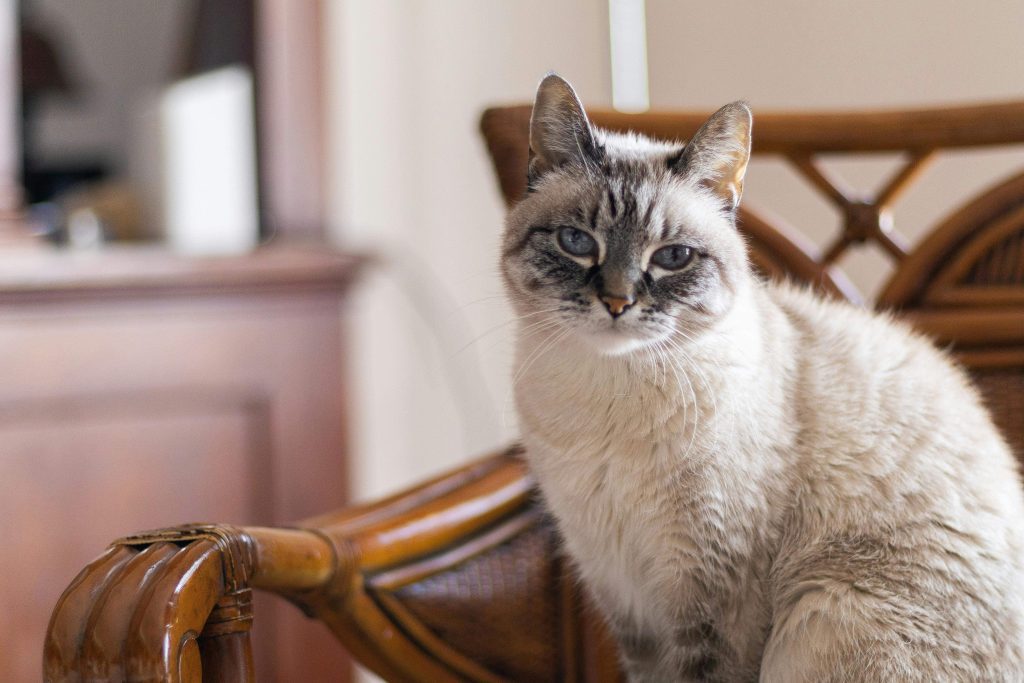
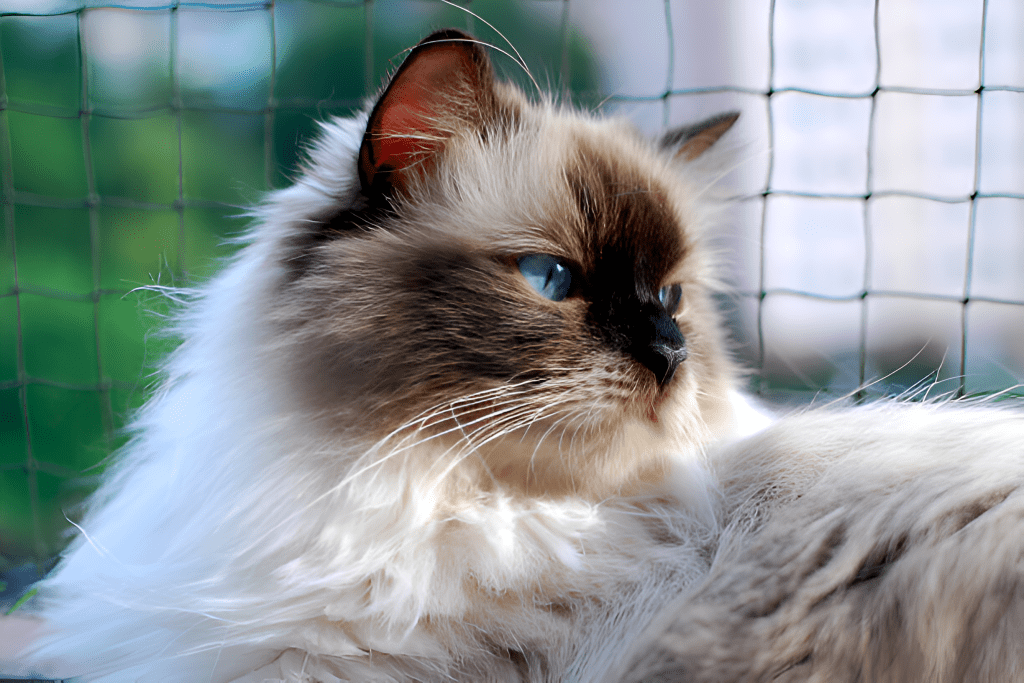
Short legs, flat faces, and camera-ready fluff—Munchkin Persian cats are everywhere right now, from Instagram feeds to online classifieds. That visual novelty fuels demand, but it also hides a real tension: adorable appeal vs. lifelong responsibility.
This hybrid blends two very distinct body types, and that combination affects health, grooming, mobility, and long-term costs in ways many first-time buyers don’t expect. I’ve reviewed dozens of breeder listings and rescue profiles — and the same gaps show up again and again. Here’s what actually matters.
This guide explains what a true Minuet (Munchkin × Persian) is, the top health checks to insist on before you buy or adopt, and the real lifetime cost of ownership — with simple, copy-ready checkpoints you can use immediately.
What is a Munchkin Persian (Minuet)?
A “Munchkin Persian cat” sounds like a neat breed name—but it isn’t a single, universally recognized breed. In practice, the term can mean two very different things:
- a true Munchkin × Persian hybrid, most often registered with TICA as a Minuet (formerly Napoleon), or
- a look-alike short-legged, fluffy cat marketed without any documented pedigree.
That distinction matters. Registration records lineage, not health, and many cats sold online under this label have no proof of parentage or testing. Within real Minuet litters, you’ll also hear “standard” (short-legged) and “non-standard” (long-legged)—a description of leg length, not quality. know what you’re buying before you fall for the look.
Anatomy & Why It Matters: Short Legs, Flat Face, Coat


They blend chondrodysplastic (short) legs with Persian-style facial features and a dense, often long coat — and each trait changes daily care.
Chondrodysplasia (short-legged trait) is a genetic change in bone growth. It doesn’t stop movement, but it can alter gait, limb angles, and joint loading over time. That means jumps and landings deserve attention, and joint health should be monitored early.
Brachycephaly (flat face) refers to a shortened nose and altered skull shape. This can increase airway resistance and worsen tear overflow, which is why breathing noise and eye discharge shouldn’t be ignored.
The Persian influence also brings a plush undercoat and flatter face — more grooming, more mat risk, and regular tear-stain care.
What you’ll typically see:
- Body: low-slung stance; symmetrical short legs in true Minuet types
- Face: round head, shorter nose → monitor breathing and eye discharge
- Coat: long or semi-long with heavy undercoat → higher mat risk
Priority adaptations (in order):
- Low-entry litter box (ideally multiple at ground level)
- Ramps or low steps to favorite perches
- Soft rugs at landing zones
- Non-slip surfaces near feeding and water areas
Think of these as comfort upgrades, not overkill. Stunning looks are manageable — as long as the home and health plan match the body type.
You Might Also Like
Teacup Persian Cat: Price, Lifespan, Health Risks, Size & More
Personality & Temperament
Their personality is best described as gentle, people-focused, and moderately playful. Many inherit the Persian’s calm affection with the Munchkin’s curiosity—think lap-loving with bursts of interactive play rather than nonstop zoomies.
With kids, seniors, or other pets, they usually do well when handling is calm, and introductions are slow.
What helps them thrive:
- Daily 10–15 minutes of low-impact interactive play
- Predictable routines and quiet bonding time
- Home tweaks like ramps, soft rugs, and escape spaces
Match their environment to their moderate energy, and their sweet temperament shines.
Health Issues
This is the part you shouldn’t skim. Minuet (Munchkin Persian) health risks stem from inherited traits that can overlap — especially those tied to Persian ancestry and short-legged genetics.
Brachycephaly (flat face) can mean noisy breathing, tear overflow, and skin-fold irritation. Chondrodysplasia (short-legged trait) can increase joint stress over time. Persian lines may also carry polycystic kidney disease (PKD) — a serious but testable condition. I always tell buyers: show me the parents’ paperwork, or don’t buy. It’s the simplest guardrail.
Screening tests to insist on (copy these requests):
- PKD genetic test (PKD1) — ask for a lab certificate for the parents, ideally dated within two years of breeding
- Orthopedic exam report — notes on gait and limb symmetry from a veterinarian
- Respiratory/airway assessment — auscultation findings; ask if snoring or stertor was noted
- Baseline fecal/deworming history, vaccination record, and microchip number
Urgent — take to a vet now if your Minuet shows:
- Severe noisy breathing or open-mouth breathing
- Inability to urinate or defecate
- Sudden collapse or inability to stand
- Eyes sealed shut with pus or rapidly increasing redness/swelling
Vet check schedule: kitten exam at 8–12 weeks, boosters per clinic protocol, then annual exams. For brachycephalic or orthopedic concerns, consider 6-monthly check-ins with weight and gait notes.
Health outcomes aren’t defined by appearance alone — responsible breeding, documented screening, and consistent follow-up make the real difference.
Lifespan & Quality of Life Expectations

Predicting the Munchkin Persian lifespan isn’t exact, but most well-cared-for mixes live into their early to mid-teens, with some reaching 15–16 years when prevention comes first. Genetics set the ceiling; daily choices decide how close your cat gets to it.
Indoor living alone can add years by reducing trauma, infections, and stress. What truly moves the needle is boring-but-powerful care: PKD screening, lean weight, dental health, and regular vet checks.
Focus on what matters most:
- Indoor-first lifestyle for safety and stability
- Weight control (even a 5–10% gain affects joints and kidneys)
- Dental care to protect comfort and organ health
- QoL checks like the HHHHHMM scale to guide humane decisions
longevity means little without comfort—optimize both, early.
Grooming & Daily Care Needs
Minuet Persian grooming works best when it’s frequent, gentle, and predictable. Their dense Persian coat means mats can form quickly—especially underarms, belly, behind the ears, and at the tail base—so small daily care beats stressful marathon sessions.
Most long coats need daily brushing; lighter coats do fine every other day, paired with daily face care for tear staining from brachycephalic features.
A realistic routine owners actually stick to:
- Daily (5–10 min): face/eye wipe, quick comb on hotspots, paw check
- Every 2–3 days: fuller brush-through + ear and teeth check
- Home setup: low-entry litter box, rugs, and ramps for comfort and stability
Consistency keeps coats clean, faces healthy, and movement comfortable—start early, keep it simple.
You Might Also Like
Short Hair Persian Cat (Exotic Shorthair): Personality, Coat Care & Price
Diet & Weight Management
For Minuet (Munchkin Persian) cats, weight control isn’t cosmetic — it’s biomechanical. Extra fat multiplies joint stress on short legs, accelerating discomfort, mobility loss, and chronic disease. The goal isn’t starvation; it’s precision.
Start with structured feeding and measurable portions. Use a kitchen scale, not cups, and avoid free-feeding. I prefer vets who give exact calorie numbers — not “just feed less.”
- Adult maintenance: protein >30% (dry matter basis), moderate fat, controlled calories.
- Kittens: growth-formulated diets until about 12 months.
If overweight, use a vet-prescribed reduced-calorie plan or a portion-controlled, high-protein diet with added fiber for satiety.
What actually works:
- Vet-guided calorie targets (based on RER, individualized)
- Safe loss rate: ~0.5–2% body weight per week
- Protein-forward nutrition with moderate fat
- Puzzle feeders + scheduled meals to reduce begging
Never crash-diet — cats risk hepatic lipidosis if intake drops too quickly. Small, steady losses (even 5–10%) deliver meaningful mobility gains. Do it early, and do it safely.
Price & Ongoing Costs
Buying one of them is the easy part—budgeting for a lifetime of care is where costs truly add up. Expect wide price ranges up front, then steady monthly and annual expenses that often exceed the purchase fee.
What to plan for:
- Purchase price: rescue/free–$600; responsible breeder $500–$2,500; rare/show lines $2,000–$6,000+
- First-year setup: vet exams, vaccines, PKD testing, spay/neuter, supplies ($400–$1,200+)
- Ongoing costs: food, litter, grooming, routine vet care, insurance ($1,200–$3,000+/year)
Why higher? Long coats need grooming, Persian lines benefit from PKD screening, and short legs may mean orthopedic follow-ups. Buy once, budget forever—cheap listings without paperwork often cost more later.
Final Thoughts
Minuet Persians can thrive whether adopted from a rescue or bought from an ethical breeder — the key is transparency, health, and comfort over appearance.
Actionable steps:
- Rescue/adoption: review vet history, behavior notes, and return policies.
- Breeder: insist on PKD/genetic test certificates, vaccination/microchip records, and meet the parents if possible.
- Prepare your home: ramps, low-entry litter boxes, grooming tools, and puzzle feeders for weight control.
- Budget wisely: plan for vet care, grooming, premium food, and insurance.
Mini examples: Sasha, a rescued short-legged kitten, thrived with basic vet care; a responsible Minuet breeder avoided costly surprises with proper testing and guarantees. The best Munchkin Persian cats are the ones bred and raised for comfort and longevity — not for clicks.