Short answer: Yes — Persian cats can go outside, but they usually shouldn’t be unsupervised. Their flat faces, dense coats, and gentle temperament make outdoor life riskier, from breathing strain and eye irritation to matting and infection, which is why many vets recommend indoor-first living.
Fresh air isn’t the problem; free roaming is. This guide explains the real risks and safer options like catios and supervised time, so you can make a smart, compassionate choice.
Can Persian Cats Go Outside?
Yes — Persians can go outside, but unsupervised free roaming usually isn’t recommended. Their flat faces, long coats, and sensitive eyes make outdoor exposure riskier, especially in busy neighborhoods or hot, humid climates.
Before deciding, consider your cat’s age and overall health, how flat-faced they are (extreme vs. doll-face), coat maintenance needs, local hazards like traffic or stray dogs, and whether vaccinations, parasite control, and microchipping are up to date.
Quick breakdown:
- Free-roam: Unsupervised outdoor access (highest risk).
- Supervised time: Short, calm leash or harness sessions.
- Catio: Enclosed outdoor space — the safest compromise.
Skip independent roaming. Choose controlled, safety-first options your Persian can genuinely enjoy.
Indoor vs Outdoor Life
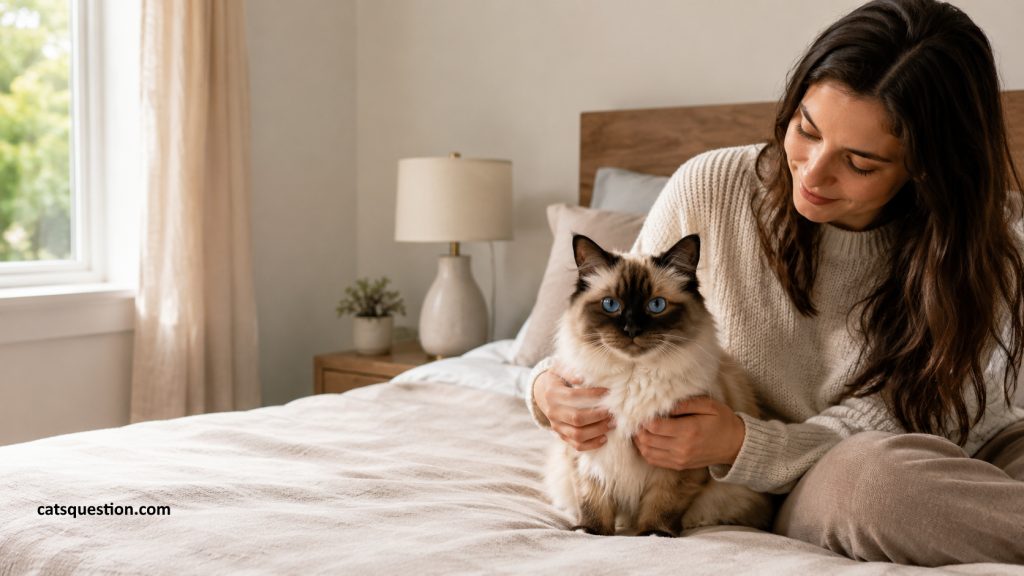
Indoor life is the safest baseline for most Persians because it limits hazards and makes breathing, grooming, and overall health easier to manage. That doesn’t mean it has to feel restrictive — with the right setup, indoor living can be rich and satisfying.
Indoor: benefits & how to make it stimulating
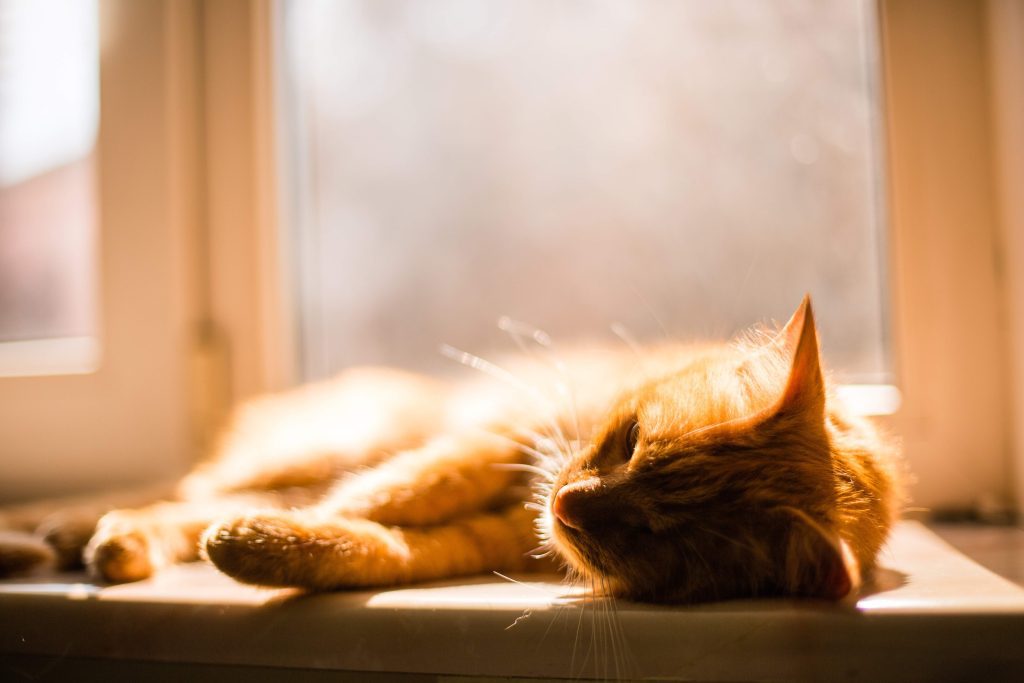
- Window perches for sunlight and bird-watching
- Low, stable vertical spaces (no high-impact jumps)
- Scheduled daily micro-play sessions
- Puzzle feeders or low-impact foraging games
- Rotating toys weekly to keep novelty high
- Gentle scent enrichment (cat-safe herbs or grass)
Outdoor: risks & when it may be appropriate
- Safe, low-traffic neighborhood
- Calm temperament and good leash tolerance
- Up-to-date vaccinations, parasite control, and a microchip
- Short, supervised sessions only
Indoor-first remains the safest default. If you want fresh air, choose controlled options like a catio or brief, calm supervision.
You Might Also Like
Persian Cat Pros And Cons: Cost, Personality, Lifespan & More
Why Most Vets Recommend Keeping Persian Indoors
Many veterinarians advise indoor living because Persians’ facial structure and long coats increase predictable, breed-specific risks.
Respiratory (brachycephaly): Their shortened nasal passages reduce cooling efficiency, so heat or exertion can trigger breathing strain. Watch for open-mouth breathing or persistent panting.
Eyes & tear drainage: Shallow eye sockets and narrow tear ducts can cause overflow, which increases staining and the risk of irritation or infection outdoors.
Coat & matting: Dense, fine coats trap debris and moisture, especially in heat and humidity, leading to faster matting and skin issues.
External risks: Parasites, traffic, dog attacks, toxins, and even theft make unsupervised roaming unpredictable.
Preparation checklist before any outdoor time:
- Microchip and visible ID
- Current vaccinations
- Parasite prevention (fleas, ticks, worms)
- Recent vet check (within 6 months)
Vets aren’t anti-outdoor enjoyment—they’re pro-prevention. Indoor-first living, or controlled options like catios and brief supervised sessions, protect your Persian’s comfort and long-term health.
How long is safe outside?
Free-roaming has no reliable ‘safe’ time because outdoor hazards are unpredictable. Prefer short supervised sessions (5–10 minutes to start) or a secure catio instead. Start with 5–10 minutes, build gradually, and let your cat’s body language decide when to stop.
Quick rules: keep sessions shorter in heat/humidity; watch for open-mouth breathing, heavy tearing, or frantic grooming. short, supervised, and adjustable beats any clock—safety first, every time.
Preventing Boredom & Frustration
An indoor-first life works beautifully for Persians—when enrichment fits their calm nature, heavy coat, and flat face. Boredom and frustration aren’t caused by staying inside; they come from a lack of routine and purpose. The fix is simple and realistic: short, gentle, predictable engagement that protects weight, coat, eyes, and breathing.
What actually works for Persians:
- 3× daily micro-play (7–10 minutes): slow wand play, follow-and-pause games
- Puzzle-fed meals to burn calories without stress
- Low, wide vertical spaces and window perches (no big jumps)
- Daily grooming + eye wipe after play to prevent mats and tear flare-ups
Design enrichment for the Persian—not against it—and indoor life becomes calmer, healthier, and deeply satisfying.
Persian cats & hot weather
They can survive it—but they don’t thrive without help. Persians are heat-sensitive because their flat faces reduce cooling efficiency, and their dense coats trap warmth. As a rule of thumb, ≥25°C (77°F), especially with humidity, is caution territory.
What to do immediately:
- Indoor-first cooling: AC or fan + tile resting spot; multiple water bowls or a fountain
- Outdoor limits: early morning only, 3–10 minutes, shade required
- Stop signs: open-mouth breathing, drooling, heavy tearing, seeking cold floors
In hot, humid cities, skip outdoor time altogether; use window perches and calm play instead. Think “mitigation, not exposure.” Cool indoors, brief shade outside, and watch subtle cues—not panting alone.
You Might Also Like
Disadvantages of Persian Cats: Grooming, Health Risks, Costs
Final Thoughts
Indoor-first, safety-first works for most households. In the indoor vs. outdoor life debate, Persians can go outside — but they usually thrive indoors, where breathing, eyes, coat care, and stress are easier to manage. Outdoor time only works when it’s controlled and brief — think catios or calm, supervised harness sessions.
Decision Spectrum
- Strict indoor: Lowest risk, highest predictability
- Catio/supervised: Balanced enrichment with safeguards
- Free-roam: Highest risk (injury, heat, infection)
Do this next (48 hours):
- Vet check + parasite plan: Book a wellness visit, bring your cat’s medication list, and confirm vaccinations, flea/tick prevention, and microchip registration.
- Safety upgrades: Install a window perch or measure space for a small catio; note secure access points.
- Start enrichment + grooming: Begin daily 7–10 minute micro-play and a 10-minute brushing routine. Schedule the first week, so it becomes a habit.
Tailor freedom to the breed — and you’ll support health, calm, and longevity. If you want a ready-to-use 48-hour Persian safety checklist, use this plan as your starting framework and implement it today.