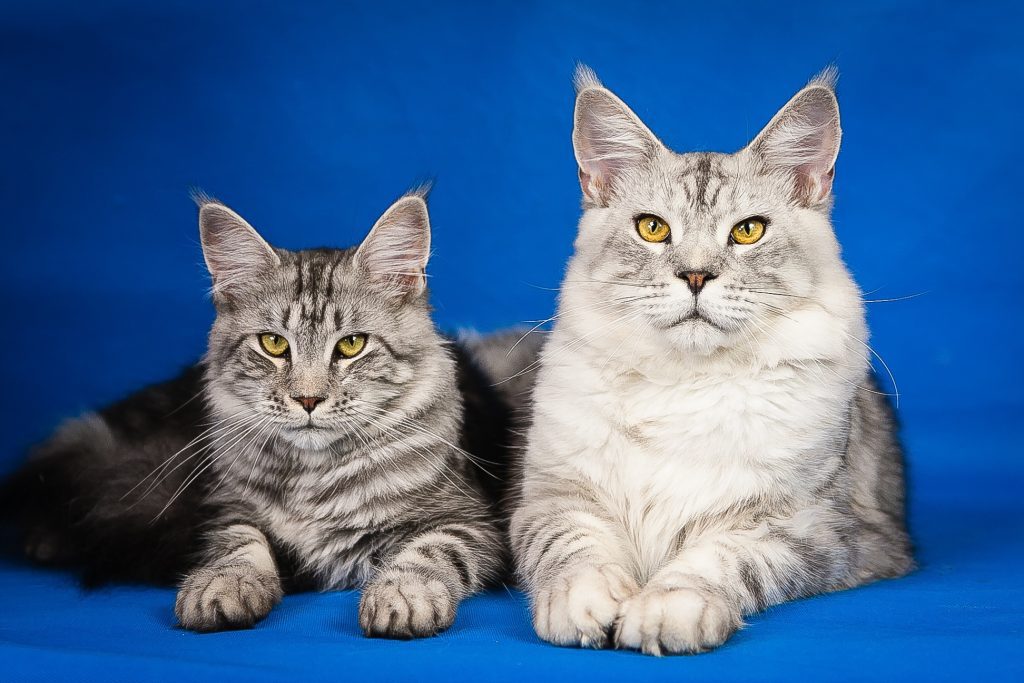
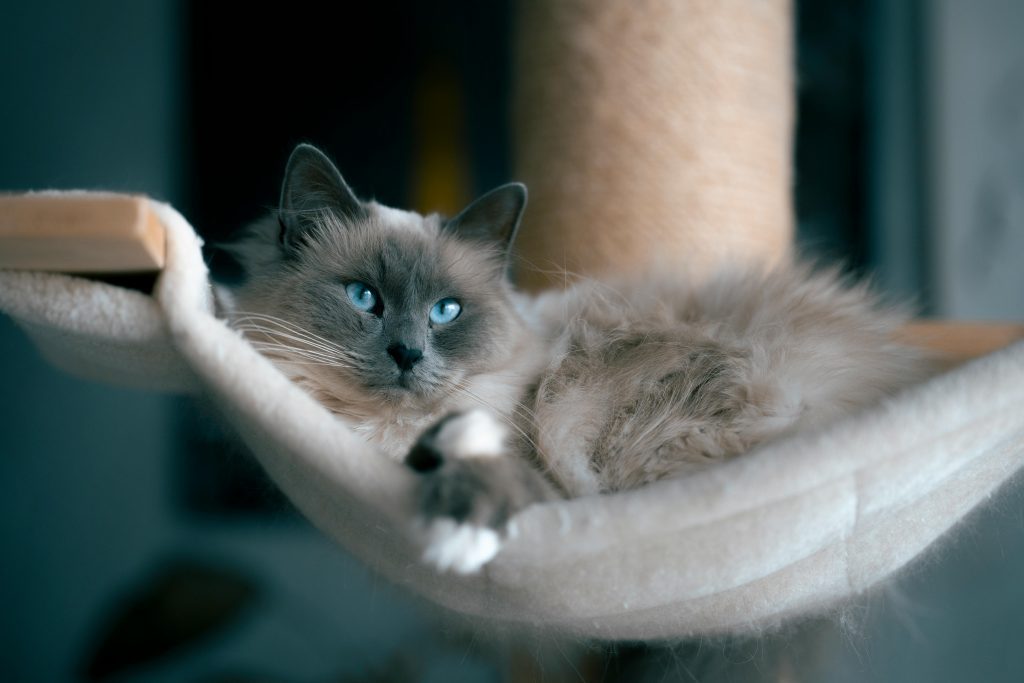
Many people search for a teacup Persian because they want a smaller, apartment-friendly cat. That’s understandable. But before you focus on teacup Persian price or photos, it’s important to understand what the term really means—and what it can cost your cat’s health long-term.
If you’ve been tempted by tiny kittens marketed as “teacup” Persians, pause. This guide focuses on health over hype, explaining what “teacup” actually means, the real health and lifetime costs, how to spot red flags, and safer alternatives veterinarians recommend (veterinarian-aligned = prioritizing PKD/HCM screening, normal airway structure, and documented growth logs).
You’ll learn:
- What “teacup” really means—and why it’s risky
- Common short- and long-term health problems to expect
- How to verify breeder claims and choose safer options (doll-face Persians or adult adoption)
I’ve reviewed countless listings and vet notes—this article breaks down what sellers rarely explain, how to spot red flags early, and where healthier choices truly begin.
What Is a “Teacup” Persian Cat—Really?
A teacup Persian cat is not a real or recognized breed—it’s a marketing label, not a biological category. In practice, “teacup” usually refers to one of three very different situations:
| “Teacup” scenario | What it means | Typical concern |
| Naturally small | Normal genetics, smaller adult parents | Fewer red flags — verify parent weights |
| Runts of the litter | Undersized kittens | Higher early-life risk (hypoglycemia, infection) |
| Miniaturized lines | Size bred for tiny frames | Possible airway, dental, or organ health issues |
Major registries such as the Cat Fanciers’ Association (CFA) and The International Cat Association (TICA) do not recognize “teacup” as a breed or size class.
Action: If a seller uses the word teacup, ask for documented adult weights of both parents, veterinary records for the kitten, and a growth log. If they can’t provide these, treat the listing as high risk. I once contacted a breeder who couldn’t share parent weights—clear red flag.
Origin & Rise


This trend didn’t start with science—it started with marketing. The “teacup” label began in the dog world and later appeared in cat listings as social platforms grew. Social media, online ads, and classified marketplaces rewarded phrases like tiny, pocket-sized, and forever kitten, and demand followed. I first noticed the term gaining traction across pet listings as novelty-driven posts began outperforming health-focused ones.
Urban living, viral pet culture, and celebrity influence reinforced the idea that smaller meant easier or more desirable—even though care needs stayed the same.
Why the trend took off:
- Apartment lifestyles fueled size myths
- Social platforms rewarded novelty over health
- Scarcity-style labels justified higher prices
Popularity often outpaced responsible breeding—pause, verify, and refocus on health before buying.
Growth & Adult Size
A “teacup” label is marketing shorthand; adult size is shaped by genetics, nutrition, and early health—not promises. Most teacup Persian full-grown cats do not stay tiny. Listings often advertise 2–4 lb weights, but that’s usually a kitten snapshot. A healthy adult Persian—especially males—typically matures far beyond that, even when started small.
What’s really happening:
- Baby weight ≠ adult size (8–10 weeks is too early to predict)
- Parental size matters most—ask for recorded adult weights
- Runts may stay smaller, but often carry higher health risks
Growth red flags: flat weight gain, lethargy, breathing issues, or missing records. small at eight weeks doesn’t guarantee small at two years—verify growth logs before committing.
Lifespan
A healthy Persian cat typically lives 12–15 years, sometimes longer with excellent care—but there’s no evidence that a teacup Persian lifespan is longer. In fact, extreme smallness and miniaturized breeding can shorten life by amplifying known Persian risks like PKD (kidney disease), breathing problems, and dental disease. Size doesn’t protect longevity—health screening does.
What improves lifespan most:
- Documented PKD/HCM screening in parents
- Steady kitten growth with vet-verified records
- Moderate facial structure over extreme “flatness”
small size is unpredictable; preventive care is not. If longevity matters, prioritize proof, not promises—or consider a well-screened adult for clearer expectations.
Health Risks
eacup Persian health risks build on problems the breed already faces—and tiny size can make them worse. Persians commonly deal with breathing difficulty (short nasal passages), dental crowding, and eye issues from their flat faces. When kittens are unusually small, runts, or deliberately miniaturized, added risks appear:
- Low blood sugar (hypoglycemia): Tiny kittens have limited energy reserves and can deteriorate rapidly if feeding is delayed or inadequate. I’ve seen hypoglycemic kittens rushed into emergency care—it’s frightening and often preventable with proper feeding and monitoring.
- Fragile bones and joint issues: Reduced bone density and poor skeletal development increase fracture risk and can lead to lifelong pain or mobility problems.
- Organ crowding: Disproportionate skeletal or chest size can exacerbate strain on the heart, lungs, and other organs in extreme miniaturization.
- Higher anesthesia risk: Small body size combined with compromised airways makes even routine procedures more complex and risky.
Not every small kitten will develop these problems, but risk rises significantly in runts and selectively miniaturized lines—documentation matters.
Recommended Post
Price & Lifetime Costs
A teacup Persian price often looks high upfront—but the real cost shows up over time. Prices below are approximate and vary widely by region, market, and breeder practices.
In many Western markets, listings generally fall into three tiers: roughly $1,000–$3,000+ from breeders, $2,000–$4,000+ for “premium” or shipped kittens, and $50–$300 through rescue or adoption. Much of the markup comes from novelty, social-media demand, and the “teacup” label—not guaranteed health.
What buyers often miss are lifetime expenses: first-year care ($300–$800), ongoing grooming and routine vet care ($500–$1,300 per year), and unexpected medical bills that can run $500–$5,000+ per incident. Price ≠ health.
A high price without solid vet documentation isn’t a premium—it’s a risk. Before you pay, demand records, and if you’re buying young or unusually small, consider pet insurance and an emergency fund (check exclusions carefully). Adoption can be a safer, more predictable long-term investment.
Care Needs
A few minutes of preventive care each day can spare a small, flat-faced Persian from emergencies later. Feeding:
- Kittens: small, frequent meals (every 3–4 hours) plus daily weight checks to prevent low blood sugar.
- Adults: 2–3 smaller meals, mostly wet food, using shallow elevated bowls for easy breathing.
Grooming:
- Daily: gentle brushing and eye cleaning with saline to reduce ulcers and infections.
- Weekly–monthly: ear checks, sanitary trims, and pro grooming as needed.
keep rooms cool, avoid heat stress, and follow a structured vet schedule—early dental checks, annual exams, and prompt action for breathing trouble. Prevention saves pain, stress.
Recommended Post
Healthier Alternatives
If small size is the goal, choose ethically—there are safer options than “teacup” cats.
- Ethical small-bodied Persian lines: bred from naturally smaller adults (with records), offering predictable size without dwarfism genes. Verify parent weights, pedigrees, and PKD/HCM screening.
- Doll face Persians: a more natural face with better airflow and fewer dental/eye issues, while keeping the calm Persian temperament.
- Naturally small breeds or adult adoption: breeds like Devon Rex or adopting an adult small Persian give known size and health history with fewer surprises.
Prioritize documentation over labels. A doll-face Persian or adult adoption often delivers the look you love with far lower health risk—see our Doll Face Persian guide to compare.
Final Thoughts
A teacup Persian is never risk-free. Choose welfare over trend—small-line, documented doll-face Persians or adult adoption usually deliver health, temperament, and longevity with far fewer surprises.
We get why teacup kittens are tempting — and we also know what those temptations cost. Evidence shows impulse purchases of “tiny” kittens often lead to chronic health issues, high vet bills, and emotional stress.
By contrast, ethical small-line or doll-face Persians offer predictable size, calmer grooming demands, and documented screenings for PKD, HCM, and eye issues.
What to do next:
- Pause — avoid viral listings and impulse buys.
- Prefer documented lines or adult adoption for predictable size and health.
- Verify parent weights, pedigrees, health screens, weekly growth logs, and pre-purchase vet permission.
- If you already own one: schedule a baseline vet exam, establish routines, consider insurance/medical fund.
- Bookmark: Health Risks, Care Needs, Healthier Alternatives, Price & Lifetime Cost.
A cat’s quality of life should never be smaller than its body.

Founder of Cats Question and lead cat care writer, with a background in veterinary education in Bangladesh and a lifelong passion for cats. Dedicated to creating trusted, practical content that helps cat owners make better everyday decisions—guided by real-life experience and inspired by a deep commitment to feline health and wellbeing.