A little bad breath in cats after a nap or meal can be normal—but a foul, rotten, or persistent smell is not. If your cat’s breath smells like “death,” don’t panic—but don’t ignore it. Cats hide pain, and bad breath is often the first sign of dental disease or a deeper health issue developing quietly.
60-second check:
- Smell: mildly fishy or truly putrid?
- Behavior: normal appetite, or drooling and pawing at the mouth?
- Next step: monitor with gentle home care for 3–5 days, or book a vet visit if the odor is foul, sudden, or persistent.
This guide explains why cat breath smells, what’s normal, safe natural fixes, and red flags that need urgent care. Start with How to Check Your Cat’s Mouth Safely at Home—early action changes outcomes.
What Is Bad Breath in Cats (Halitosis)
Bad breath in cats simply means an abnormal mouth odor—but not every smell is a problem. A mild, meaty, or fishy scent after eating is common. Strong, rotten, sweet, or urine-like breath—especially when it lasts more than 3–5 days—is not. Because cats hide oral pain well, smell is often the first sign that something is wrong.
Certain odor types can hint at the cause:
- Rotten or putrid: most often dental disease or oral infection
- Sweet or fruity: may indicate diabetes
- Ammonia or urine-like: can suggest kidney disease or dehydration
- Fishy or meaty (short-lived): usually food-related and temporary
If a concerning smell persists beyond 3–5 days, worsens, or is paired with drooling, appetite changes, or visible mouth issues, schedule a veterinary exam.
You Might Also Like
Cat Breath Smells Like Death? Causes, When to Act & Solutions
Common Causes
Bad breath in cats isn’t one-size-fits-all. The smell, how long it lasts, and your cat’s behavior together point to the cause—and the urgency. Below are the most common causes, moving from routine to serious, with clear cues on what to do next.
What Veterinarians See (and Why Bad Breath Usually Means Dental Disease)
“A healthy cat’s breath should not be offensive. However, by far, the most common problem associated with bad breath is periodontal disease. Just think how your breath would smell if you didn’t brush your teeth for a week, months or even years.” — Eric Davis, DVM
Dental Disease
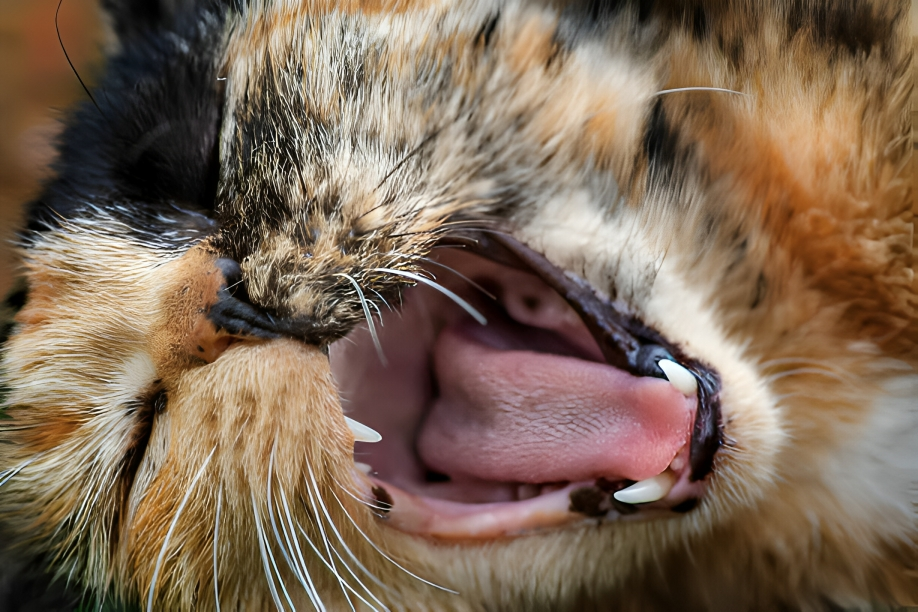
Plaque and tartar buildup allow bacteria to thrive, leading to gingivitis and periodontitis. This causes a persistent, rotten, or putrid smell that worsens over weeks. Indoor cats are not protected—soft diets, genetics, and lack of chewing all contribute. This needs a vet dental exam.
Oral Injuries, Abscesses & Foreign Objects
Suddenly, very foul breath, often one-sided, may come from a tooth root abscess, bite wound, or a string stuck under the tongue. Swelling or pain means urgent care.
Diet & Feeding Habits
New foods, treats, or raw diets can cause temporary fishy or meaty odors that resolve within a couple of days. If it doesn’t fade, look deeper.
Systemic Illnesses That Affect Breath
Sweet/fruity breath can signal diabetes; ammonia-like breath may point to kidney disease. These always warrant vet testing.
Age-Specific Causes
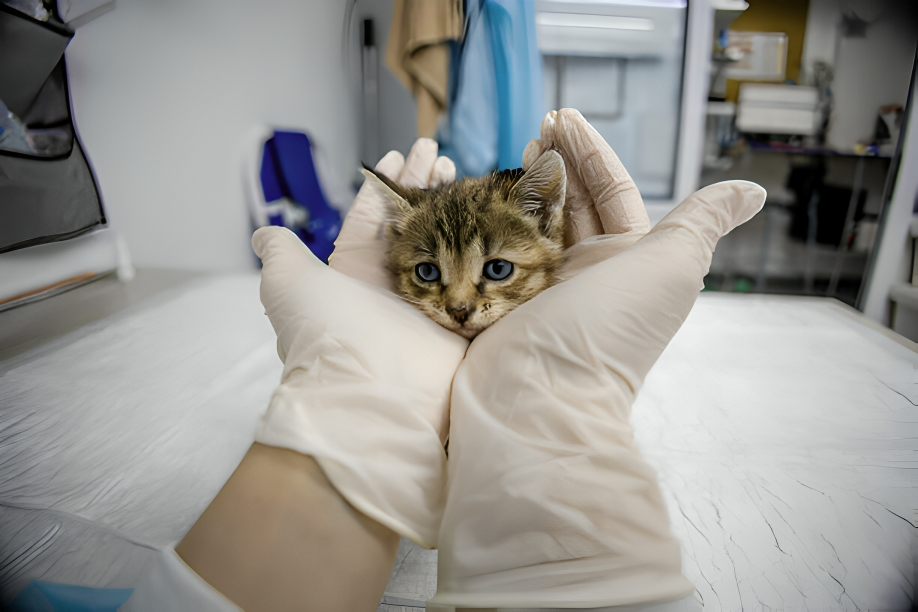
Kittens may smell during teething. Seniors are at higher risk for dental and metabolic disease—don’t ignore changes.
How Vets Diagnose Bad Breath
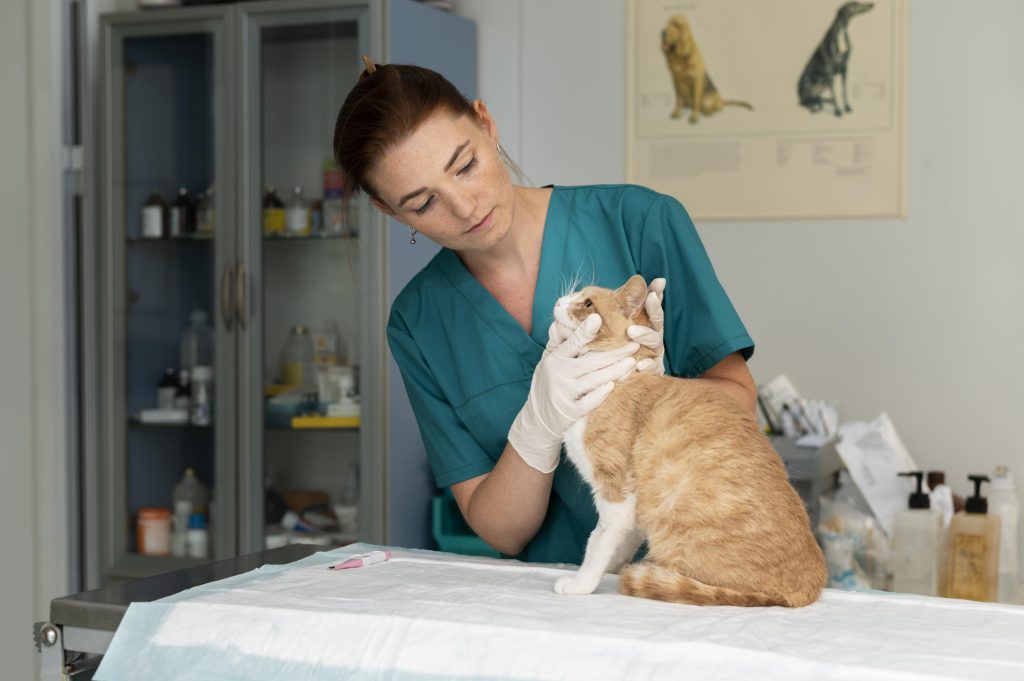
When veterinarians diagnose bad breath in cats, they follow a clear, step-by-step path—no guesswork. It starts with history and a full physical exam, where your vet asks when the smell began, diet changes, and checks weight, hydration, and lymph nodes. Next comes a careful oral exam and dental probing to assess gums and tooth stability—often with light sedation if your cat resists.
If needed, bloodwork and urinalysis screen for kidney disease or diabetes, while dental x-rays under safe anesthesia reveal hidden root disease or tooth resorption you can’t see.
Each test answers a specific question—bringing notes or a short video helps your vet pinpoint the cause faster.
You Might Also Like
Treatments — Professional & Medical
Bad breath isn’t the problem—it’s the signal. Treating a cat’s bad breath works only when you fix the cause, not just the smell. Vets choose treatment based on what’s driving the odor.
Professional Dental Cleaning
This is the most effective option for dental disease. Under safe, monitored anesthesia, vets examine the entire mouth, clean above and below the gumline, polish teeth, take dental x-rays when needed, and remove infected teeth. Anesthesia isn’t cosmetic—it’s the only way to treat painful disease hiding under the gums.
Treating the Underlying Illness
If breath smells ammonia-like or sweet, oral products won’t help. Managing kidney disease, diabetes, or liver issues is what makes the odor fade.
Natural & Supportive Home
Natural care can help reduce mouth odor and slow dental disease progression—but it’s supportive care, not a replacement for veterinary diagnosis or treatment. When owners ask how to treat bad breath in cats naturally, this means vet-approved, non-invasive habits that improve the oral environment—not cures for established disease.
What helps most (stepwise and safe):
- Toothbrushing (gold standard): aim for daily if possible; 3× weekly minimum. Start slowly—let your cat sniff the paste, rub a finger along the gums, use a damp cloth, then move to a soft cat toothbrush with enzymatic, cat-only toothpaste (never human paste).
- Dental diets & treats: choose cat-labeled products with clinical backing and count calories to avoid weight gain.
- Water additives & wipes: useful for maintenance, not a substitute for brushing.
- Probiotics: may support the oral microbiome; use vet-recommended options only.
- Avoid: human toothpaste, DIY chemicals, and essential oils around cats.
If breath is foul, sudden, or lasts more than 3–5 days, book a vet visit.
Final Thoughts
Bad breath in cats is a health signal, not a cosmetic issue. You’re right to pause and check—early action protects your cat from pain and bigger bills later.
60-second decision guide:
- Immediate vet visit: rotten/putrid smell, drooling, bleeding, facial swelling, or sudden appetite or behavior changes.
- Monitor at home: mild, food-related odor that clears within ≤3 Days.
- Schedule a vet check: odor lasts >3–5 days or keeps returning.
Prevent going forward: brief daily tooth care, weekly mouth checks, and annual dental exams. Reassurance: modern dental care is routine and safe—and delaying care carries more risk.
You Might Also Like
Why Does My Cats Breath Smell Like Fish? Causes & Treatments

Founder of Cats Question, a veterinarian (DVM), and lifelong cat enthusiast with hands-on experience in feline care. Passionate about helping cat owners through expert-backed, compassionate advice inspired by years of living and learning alongside cats.