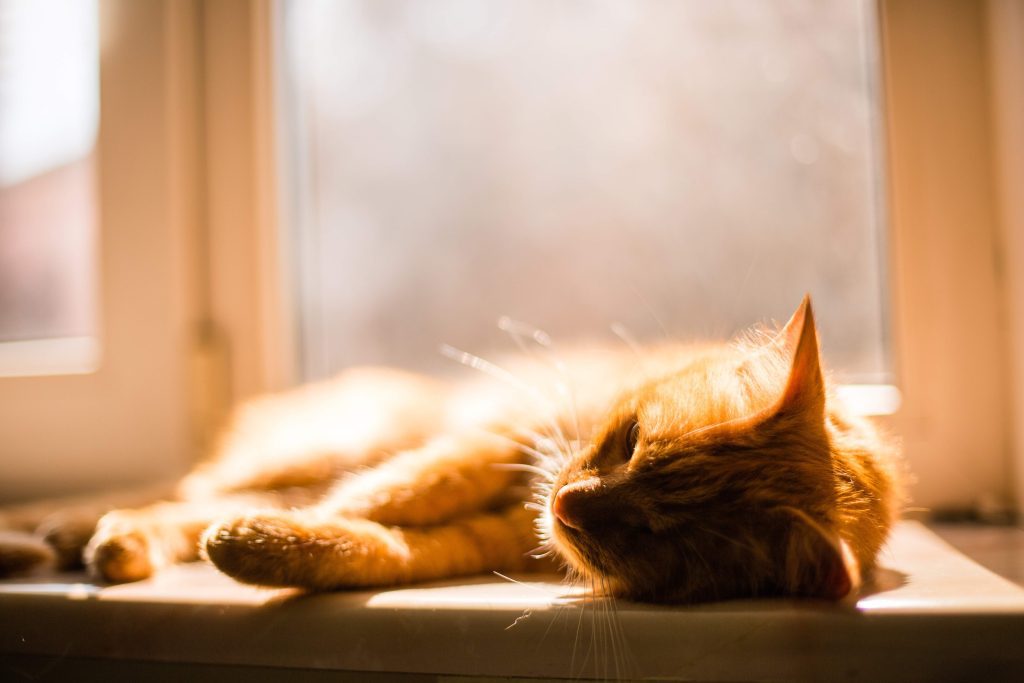
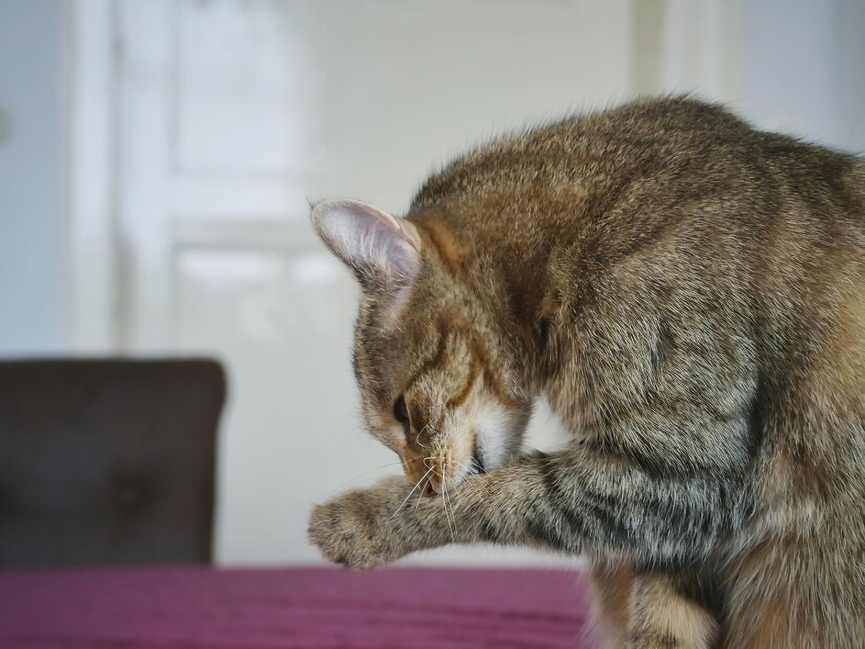
Persian cats are quietly affectionate and selective about how they spend their energy. Their calmness is a strategy — not a flaw. They save effort for people and routines they trust. From experience, this is often mistaken for laziness when it’s actually thoughtful restraint.
- Selective energy, not low intelligence: Persians think before they act and prefer gentle, purposeful interaction over constant play.
- Male vs female tendencies: Males often seek steadier companionship, while females may be more reserved — but personality always outweighs stereotypes.
- Shy or aloof? Often a response to noise, chaos, or limited early socialization — not a lack of affection.
In this guide, I compare male vs female personality traits, explain common behavior concerns and life-stage changes, and help you decide whether a Persian fits your home. If you value calm connection over constant activity, a Persian may be your ideal match.
Personality Traits: Male vs Female
Male and female Persians share the breed’s calm, selective temperament, but sex can gently shape how that calmness appears day to day. Males tend to be more socially present — many enjoy following their person, settling nearby, and staying loosely involved in household activity.
Females are often more selective, frequently forming a deep bond with one caregiver and offering affection on their own terms.
- Affection: Males commonly show affection more openly, such as sitting close or following each other from room to room. Females may express affection in shorter, quieter moments focused on one person.
- Social tolerance: Well-socialized Persians of both sexes can coexist well with calm children or other pets; early socialization is more important than sex.
- After spay/neuter: Hormone-driven behaviors like marking, roaming, or heat-related stress usually decrease after spay or neuter.
Meet the individual cat first — sex nudges personality; it doesn’t define it.
Common Behavior Problems
Most Persian cat behavior concerns fall into three categories: normal breed traits, short-term adjustment issues, or medical red flags. Quiet, low-energy Persians who eat well and seem content are often just being themselves — not depressed or “lazy.”
Behavior changes are more commonly triggered by stressors like household disruptions, excess noise, or physical discomfort than by true behavior disorders.
- Try first: Reduce stressors, keep routines consistent, and monitor for gradual improvement over 3–7 days.
- Escalate immediately if: Appetite, litter box habits, energy level, vocalization, or sociability change suddenly.
Persistent or sudden shifts deserve attention before labeling them a “behavior problem.”
You Might Also Like
Disadvantages of Persian Cats: Grooming, Health Risks, Costs
Life Stages: How Personality Changes with Age
Their personality changes over time—and that’s normal. Playful kittens usually settle into calm, selective adults, while seniors may become more affectionate or more sensitive as comfort needs rise.
What shapes these shifts most isn’t age alone, but overall comfort and stability. Disruptions like noise, environmental changes, or untreated discomfort can quietly turn calm into clingy or grumpy behavior.
Small, thoughtful adjustments at each life stage help preserve a Persian’s sense of security and confidence over time.
Are Persian Cats Good for Families, Kids & Other Pets?
They can be wonderful family cats when the household matches their calm, routine-loving nature. They usually do best with older children (6+) who understand gentle handling, and with calm dogs or laid-back cats introduced slowly. Noise and rough play—not family size—are the real challenges.
What works best:
- Teach kids short, gentle interactions and clear “stop” cues
- Use slow, staged introductions for dogs and new cats
- Provide quiet escape zones and predictable routines
Personality match matters more than labels—manage introductions well, and Persians often thrive in families.
Faces & Personality Myths
Persian cats come in three main face types—doll-face, moderate/traditional, and flat (brachycephalic)—but face shape does not decide personality. What it does affect is care, and unmet care needs can quietly change behavior.
- Doll-face: longer nose, fewer breathing/eye issues, easier grooming
- Moderate: balanced features, average care needs
- Flat-face: very short nose, daily eye cleaning, heat and exertion sensitivity
A flat face doesn’t make a Persian unfriendly; chronic discomfort (tear irritation, breathing strain, mats) can make any cat withdraw or seem “grumpy.” Choose looks you can maintain, and judge temperament by interaction—not anatomy.
Is a Persian Cat the Right Fit for You?
Persians reward calm, consistent caregivers with quiet, affectionate companionship—but they’re not low-maintenance. Ask yourself honestly if your life fits their rhythm.
- Best fit: quiet homes, predictable routines, people who enjoy gentle presence
- Daily reality: 10–20 minutes for brushing, bonding, and quick health checks
- Weekly/monthly: thorough grooming, coat checks, routine vet budgeting
Reconsider if your home is loud, time is tight, or grooming feels like a chore. A Persian isn’t a “do tricks” cat—they value ritual and closeness over activity. If you can offer patience, routine, and care, a Persian will meet you with steady devotion.
Final Thoughts
Persian cat personality is shaped less by looks or sex and more by routine, health, and daily care. Males may lean more openly social, while females are often more selective — but these are tendencies, not rules.
Most perceived “behavior problems” trace back to preventable issues like missed grooming, stress, or untreated discomfort.
Action plan (quick):
- Protect routine: Consistent feeding, play, and grooming help Persians feel secure.
- Daily micro-care (5–10 min): Brushing or a short play session pays lifelong dividends.
- Vet-first for sudden change: Appetite shifts, litter box problems, or sudden hiding mean it’s time to contact your vet.
Invest a few minutes each day, and Persians return steady trust — it’s worth it.
You Might Also Like