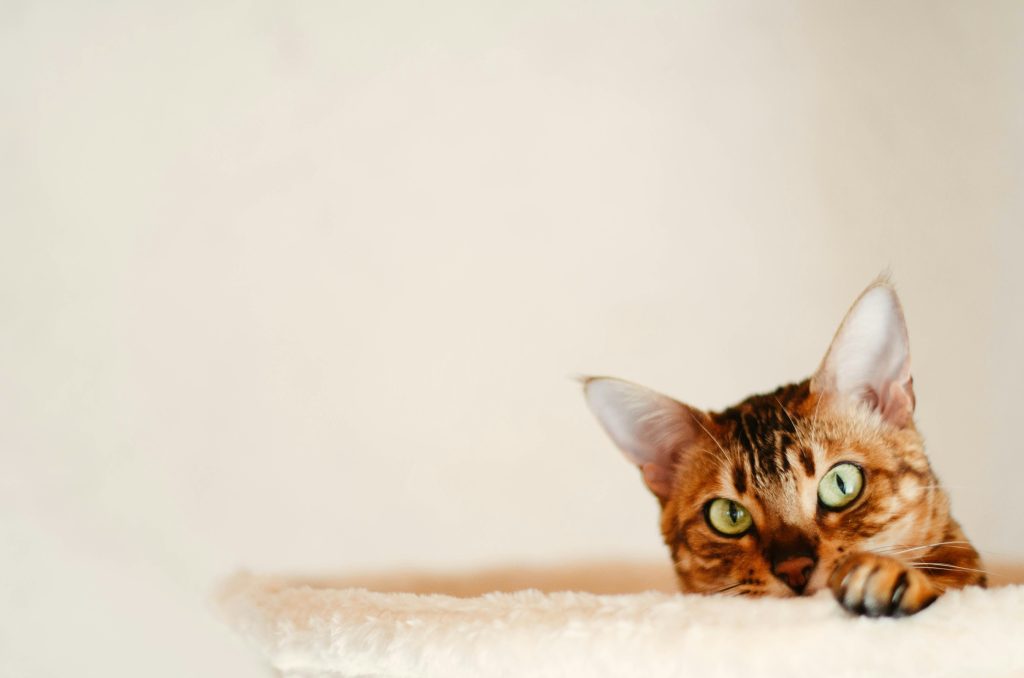
Those spots come at a price—literally. Bengal cats are stunning, but their beauty and energy often leave new owners surprised at the numbers breeders quote. Behind the price tag lies more than just good looks: careful lineage, health testing, legal regulations, and a surge in demand (fueled by social media) all play a role.
Generations matter too—an F1 Bengal can cost far more than an F5, simply because of rarity, genetics, and specialized care.
What you’ll learn in this guide:
- The real reasons Bengal cats are so expensive
- How prices shift for pet, show, breeder, and rescue buyers
- Smart, safe ways to pay less—without cutting corners on welfare
Prices also shift by region, breeder reputation, and generation. I’ll touch on those differences with examples later in the post.
How Much Do Bengal Cats Cost?
Bengal prices in 2025 (USD) range widely, from around $100–$650 for rescues to $5,000+ for rare-color or show-quality kittens. What you pay depends on quality, region, and purpose.
- Pet-quality Bengals (F3–F5, no breeding rights): usually $1,000–$3,000
- Show-quality kittens with champion lineage: often $3,000–$5,000+
- Breeder-quality Bengals: can exceed $5,000, reflecting genetics and resale potential
- Rare colors (snow, charcoal, blue): often command $3,000–$7,000+
Adopting an adult or retired breeder can be more affordable, though history and health details may be limited. For most owners, a pet-quality Bengal with a solid health guarantee strikes the best balance of cost and peace of mind. Now that you’ve seen typical prices, here’s why those numbers exist.
Recommended Post
Why Bengals cost so much?
Bengal cats are expensive because their cost reflects biology, law, and responsible care—not just a beautiful coat. From their wild-hybrid origins to generation-based legal rules and the expense of genetic testing, every dollar has a reason. Let’s break down the main factors so you can tell the difference between a fair price and a red flag.
Hybrid Origin
Bengals come from the rare cross between domestic cats and the wild Asian Leopard Cat. Breeding these hybrids safely requires years of expertise, specialized facilities, and selective pairings.
Early breeding often results in kittens that are not suitable for homes, meaning fewer cats reach buyers. This rarity, paired with high breeder investment, drives the price far above that of typical domestic cats.
Generational Impact
The generation—F1 through F5—directly affects both cost and temperament. Early-generation Bengals (F1–F2) are rarer, harder to breed, and often face strict legal limits, which makes them significantly more expensive.
Later generations (F4–F5) are more affordable, better suited as pets, and easier to keep legally, but they still carry the premium of their wild ancestry.
You Might Also Like
Small Gene Pool
Because the Bengal breed developed from a small genetic base, breeders must be highly selective in pairing cats. This means many kittens are kept back, rehomed as pets, or excluded from breeding altogether. Add in DNA testing and years of careful selection, and the cost per healthy, breed-standard kitten rises considerably.
Rarity and Demand
Bengals are one of the most sought-after breeds thanks to their striking leopard-like coats and playful energy. High demand meets limited supply, especially since only a small number of breeders follow ethical, health-focused practices.
Many reputable catteries keep waiting lists, and some close them within days of announcing a litter—proof of how social media buzz and scarcity drive prices higher.
Health Testing
Responsible Bengal breeding comes with steep veterinary bills. Breeders typically screen for PK-def, PRA-b, and heart disease (HCM) through DNA tests and specialist echocardiograms.
These aren’t one-time costs—HCM checks must be repeated, making them both time-intensive and expensive. Buyers ultimately cover these investments in the kitten’s final price.
Breeder Ethics and Care
Ethical breeders spend months raising kittens with proper nutrition, vaccinations, microchipping, and socialization. They may retire females early to protect their health or keep “pet-quality” cats out of the breeding pool.
These decisions reduce profits but improve welfare—another hidden reason why a responsibly bred Bengal costs more than a bargain kitten online.
Legal and Import Restrictions
In some regions, Bengals—especially F1–F3—face strict limits or outright bans. For example, Hawaii prohibits all hybrid cats, while states like Connecticut and Alaska restrict ownership unless the cat is several generations removed. Export permits, quarantine, and import fees can also add thousands of dollars and months of waiting time.
Always confirm local wildlife or pet laws before buying, since even within countries, moving cats between states or provinces may require health certificates and paperwork that raise the final cost.
How to pay less ethically
If you love Bengals but worry about the price tag, the good news is there are ethical, realistic ways to spend less without risking your cat’s health.
From adoption to retired breeders and even Bengal mixes, these options can cut costs significantly while still giving you a safe, happy pet. Let’s look at the best routes.
Adoption & Rescue Options
Rescue groups and shelters sometimes rehome Bengals, usually at a fraction of breeder prices. Adoption fees—often $150–$500—cover spay/neuter, vaccines, and vet checks. Some breed-specific rescues charge more because they invest heavily in medical care.
While availability can be limited, this is one of the most budget-friendly and ethical ways to bring home a Bengal.
Older Kittens & Retired Breeders
Unsold kittens over six months old and retired breeding cats are often discounted. Breeders may lower prices to 30–60% less than kitten rates while still ensuring full health checks.
Retired breeders are usually spayed or neutered, well-socialized, and make excellent companions. This path lets you enjoy a Bengal’s personality at a more affordable cost.
Bengal Mixes
If you want the look without the premium, Bengal mixes can be a smart compromise. Many shelters list Bengal × domestic cats with similar markings for $200–$800. While mixes don’t carry the full pedigree, they often share the playful temperament and striking coat, making them a wallet-friendly choice for families who value appearance and personality over lineage.
You Might Also Like
How to Negotiate & Save with Breeders
Even with reputable breeders, there are ways to manage costs. Ask about pet-only contracts, which are cheaper if you don’t plan to breed. Inquire about payment plans or request bundled pricing that includes vaccines and microchipping to cut vet bills later.
Networking in breed groups can also reveal rehome opportunities—just stay alert for scams and always request paperwork.
Final Thoughts
Bengals are stunning, affectionate cats, but their price isn’t just for looks — it reflects genetics, health testing, and breeder care. Paying more up front often means fewer surprises later, while “cheap” kittens can carry hidden costs in vet bills, stress, or legal issues.
You have options: adopt from a rescue, choose a retired breeder, consider a Bengal mix, or invest in a pet-quality kitten from a trusted cattery. Whatever path you choose, protect both your wallet and the cat’s welfare.
Spend wisely, ask for proof of health, and choose the Bengal that fits your lifestyle, budget, and long-term commitment. Comment with your budget and whether you want a pet or breeder-quality Bengal — I’ll point you to the best options.

Founder of Cats Question, a veterinarian (DVM), and lifelong cat enthusiast with hands-on experience in feline care. Passionate about helping cat owners through expert-backed, compassionate advice inspired by years of living and learning alongside cats.