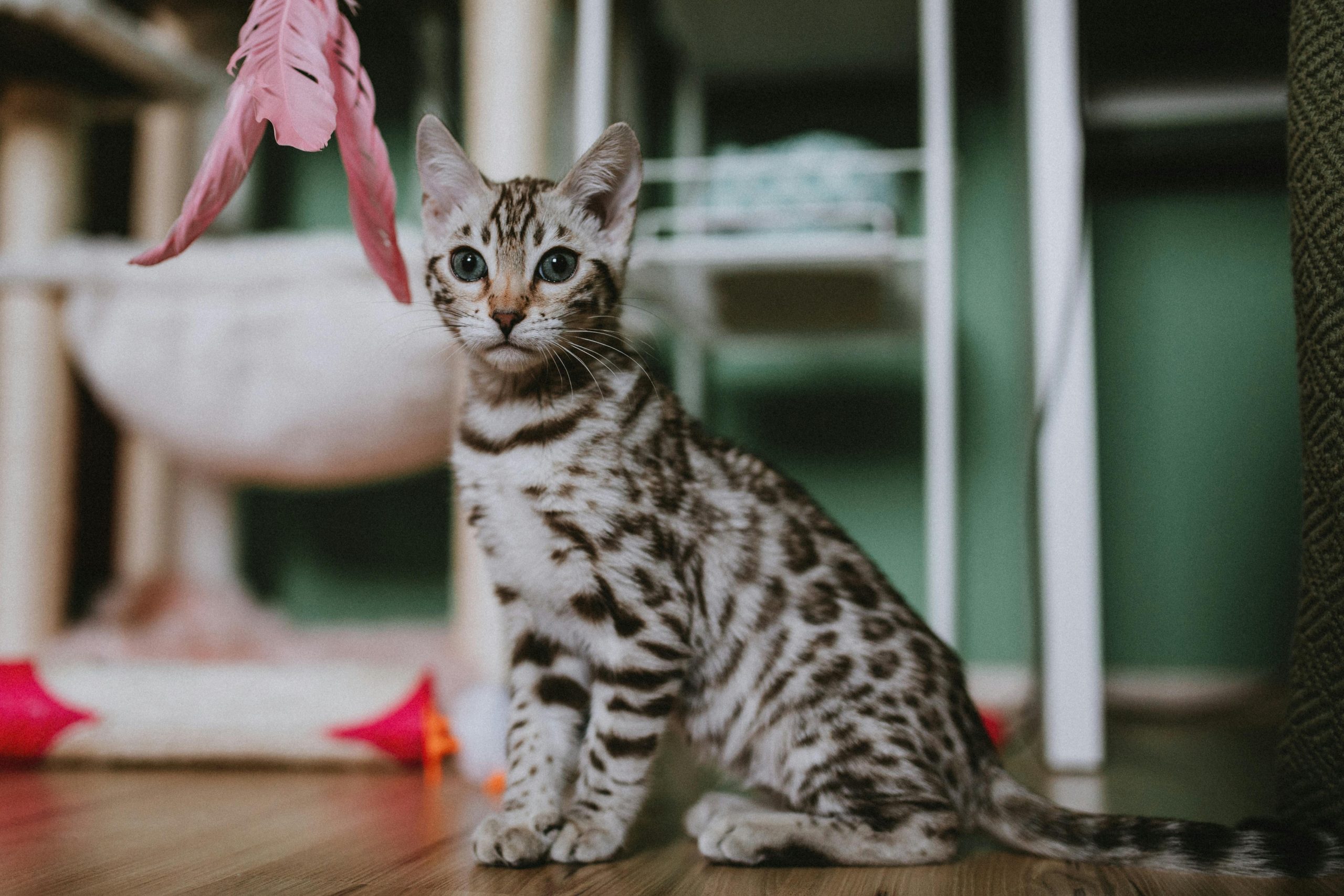
With a shimmering silver coat and bold rosettes, the Silver Bengal is the definition of exotic elegance. But there’s more to this domestic Bengal than striking looks.
Carrying the rare inhibitor (silver) gene, they were carefully bred to stand out—beautiful yet family-friendly. Their energetic personality, sharp intelligence, and rising popularity on social media make them one of today’s most sought-after cats.
Wondering if a Silver Bengal is right for your home? This guide covers traits, care tips, price, photos, and more to help you decide.
History & Origins
The Silver Bengal isn’t a wild discovery—it’s the result of deliberate, expert breeding. The Bengal breed began in the 1960s–70s, when Jean Mill crossed domestic cats with the Asian Leopard Cat to create a pet that looked wild but lived happily at home.
Silver Bengals appeared later, in the 1990s, through blending Bengal lines with silver-spotted cats like the Egyptian Mau. This careful breeding removed warm tones, leaving a cool, silvery coat while preserving the Bengal’s trademark spots.
Despite myths, Silver Bengals aren’t naturally occurring or “part-wild.” They’re fully domesticated, F4+ generations, bred for beauty and companionship—not found in nature.
Genetics: The Inhibitor (Silver) Gene
They owe their icy coats and bold, black rosettes to the inhibitor (I) gene, which reduces warm pigments such as gold and orange in the hair shaft.
Unlike their brown relatives, they show a cooler, high-contrast look that often shimmers with the famous “glitter” effect—light reflecting off translucent hairs. A well-bred Silver Bengal stays largely free of “tarnish,” the yellowing that can appear around the muzzle or tail.
Variants like Silver Snow, Silver Charcoal, and the rare Silver Blue add striking twists on the silver theme. With their muscular build, exotic markings, and vivid green or gold eyes, these cats may look wild but remain affectionate, trainable companions.
You Might Also Like
Size and Appearance
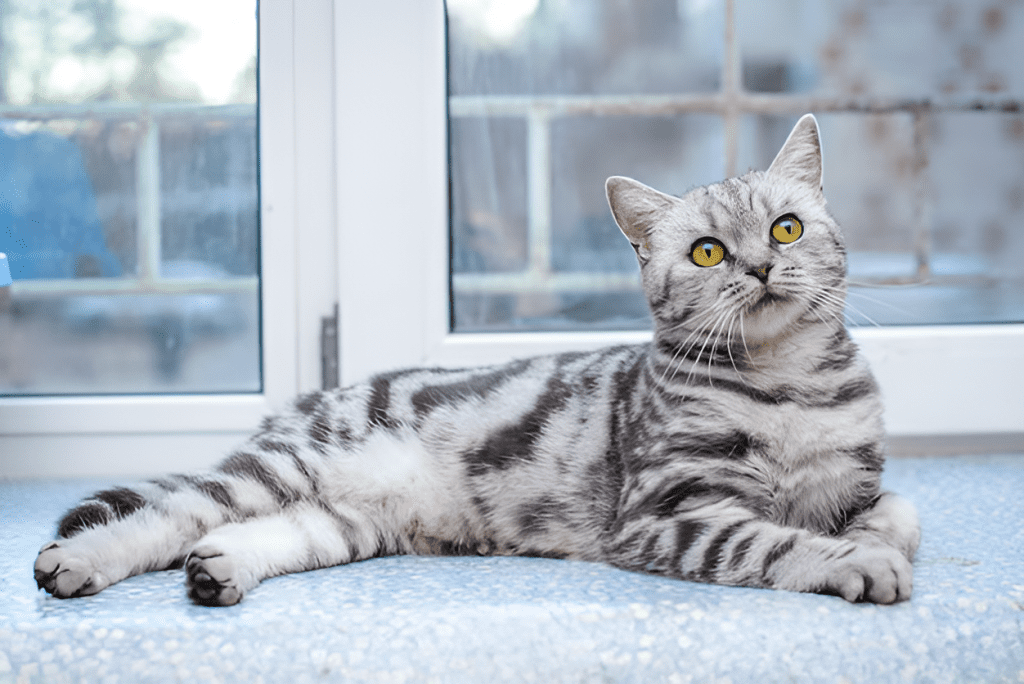
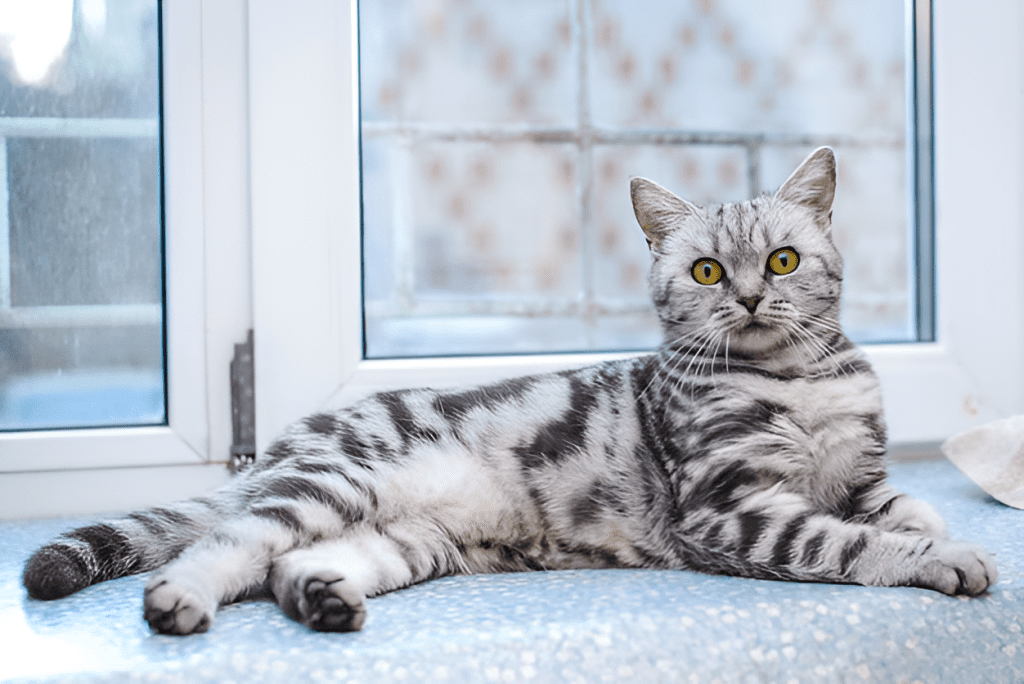
They look is a striking mix of wild beauty and athletic grace. Adult males usually weigh 12–18 pounds (5.5–8 kg), while females range from 8–12 pounds (3.6–5.5 kg).
From kittenhood to maturity, they develop lean, muscular frames that fuel their energetic nature—don’t be surprised if yours leaps effortlessly onto high shelves! Their silver coats vary from icy white to deep charcoal, often with bold rosetted or marbled patterns. Bengals from registered lines tend to show sharper contrast, while unregistered mixes may appear more muted.
Grooming is simple—weekly brushing with a grooming glove or rubber brush keeps their low-shedding coat sleek. Medium in size but big in presence, these cats leave a lasting impression.
Variants (Silver Snow, Charcoal, etc.)
These cats come in four stunning and genetically distinct variants, each with unique visual appeal and rarity levels. Recognitions vary by registry, so always check with your registry (e.g., TICA) if you have show ambitions.
Recognized Silver Bengal Variants
- Silver Snow Bengal – Creamy silver coat with icy markings and blue/aqua eyes. Rare and luxurious; breeders note their soft, dreamy face markings.
- Silver Charcoal Bengal – Smoky silver with bold contrast, a “Zorro mask,” and cape-like shading. Wild, exotic look.
- Silver Smoke Bengal – Pale shimmer and minimal contrast; often mistaken for other breeds. Understated yet beautiful.
- Silver Blue Bengal – Cool silver with blue-gray undertones. Soft patterns, genetically rarer, with fewer breeders producing these lines.
Not all grey cats are true Silvers—look for contrast, pedigree proof, and zero yellow tones.
You Might Also Like
Personality & Behavior
These cats are loyal, clever, and full of spark. They’re not lap cats, but they build dog-like bonds with their favorite humans—often following from room to room, chattering, and expecting daily playtime.
Despite their wild look, they’re not inherently aggressive; most problem behavior comes from boredom or lack of stimulation. What some call wild antics—zooming at dusk, loud meows, or even climbing curtains—are really signs of excess energy. With kids or dogs, they can thrive, as long as introductions are slow and positive.
Highly intelligent, they learn tricks, open cabinets, and even walk on a harness. If you want a calm couch companion, this isn’t the breed. But for those ready for a smart, high-energy sidekick, the Silver Bengal is unforgettable.
Health & Lifespan
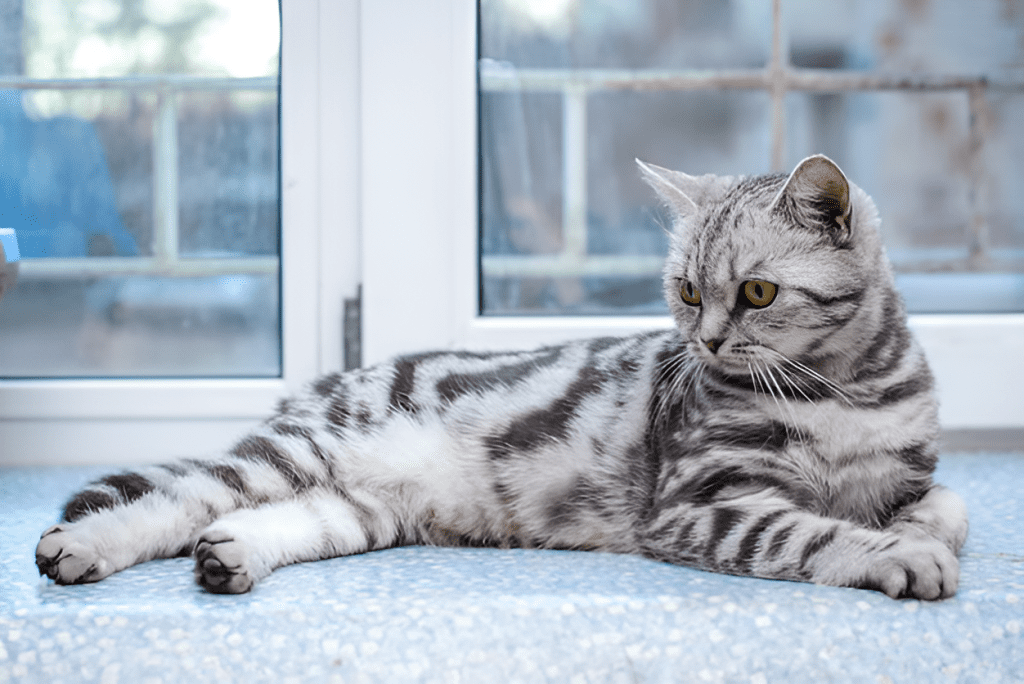
They typically live 12–16 years with good care, though genetics and lifestyle make a big difference. Always choose a reputable breeder who screens for conditions such as HCM, PRA, and PK Deficiency, and ask for recent health clearances from the parents.
Their muscular bodies do best on a high-quality, protein-forward diet suited to obligate carnivores, along with plenty of mental stimulation. Keeping Bengals primarily indoors lowers the risk of accidents and infections, which supports longer life expectancy.
Routine vet visits, vaccinations, and weight management are essential. Watch for warning signs like sudden weight loss or hiding. Regular grooming also helps control light shedding and dander. Bottom line? A proactive owner gives a Bengal the best chance at a long, healthy life.
You Might Also Like
Cost & Ownership Expenses in 2025
Owning this majestic breed is a luxury investment—with a price tag to match. Expect to pay $2,000–$5,000 for a well-bred kitten, while elite bloodlines with championship pedigrees, glitter coats, and perfect rosettes can exceed $5,000.
Why so high? Ethical breeders put resources into health screenings, selective genetics, and TICA registration—especially to produce the rare silver coat with minimal tarnish. But the purchase price is just the beginning.
Ongoing care typically runs $1,000–$2,500 per year, covering premium food, vet visits, litter, toys, and insurance. First-year extras like carriers, cat towers, and microchipping push costs higher.
You’re not just buying a cat—you’re investing in genetics, companionship, and the wild beauty of this exotic breed. Given the costs involved, some prospective owners also explore adoption—let’s look at how that compares.
Recommended Post
Adoption vs Buying
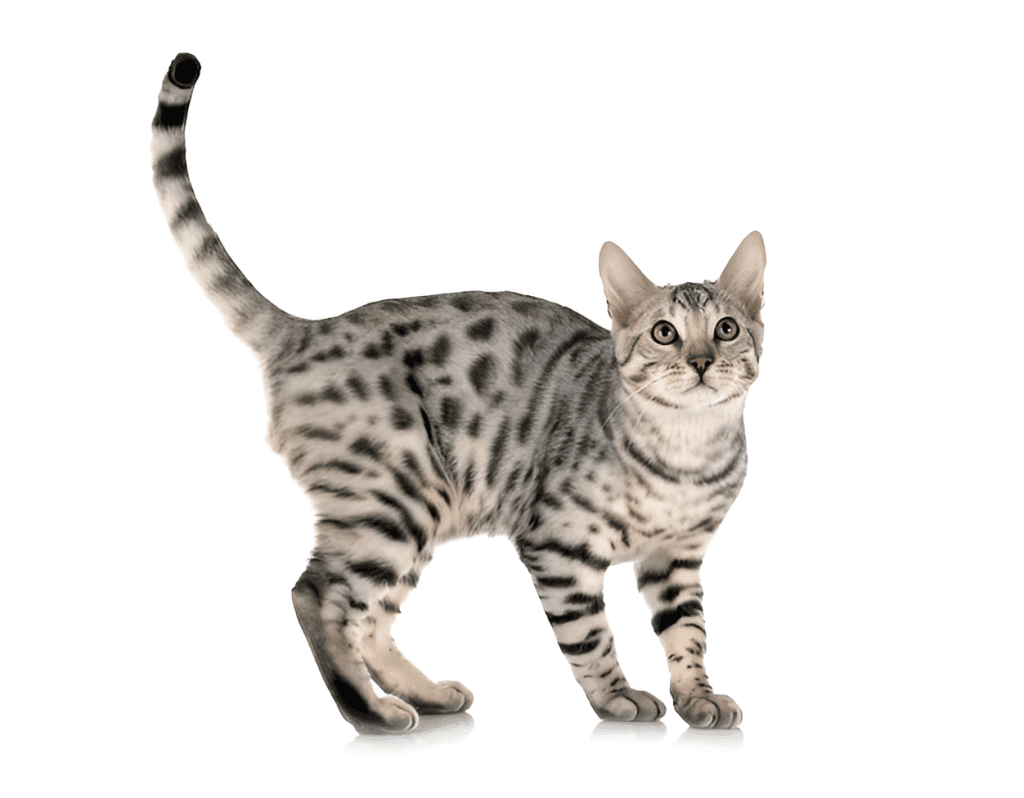
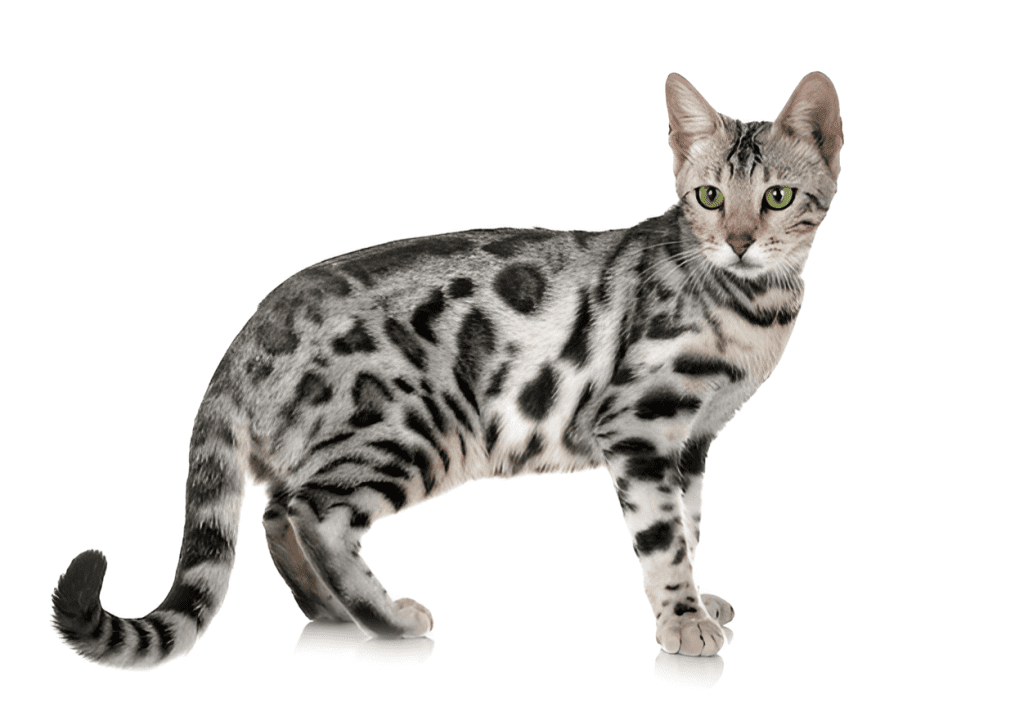
Deciding between adopting a Silver Bengal or buying from a breeder isn’t just about price—it’s about preparation, protection, and purpose. While rescues such as the Bengal Rescue Network sometimes have Silver Bengals, they’re rare. Adoption is more affordable ($100–$500), though cats may need extra adjustment time.
Breeders—especially those registered with TICA—typically provide health-tested kittens with documented lineage and early socialization, but prices range from $2,000 to $5,000.
Watch for red flags: no video calls, no health records, pushy deposits, or prices that seem too good to be true. Before committing, ask the right questions, review documents carefully, and make sure your home is ready.
FAQs
Are Silver Bengals legal everywhere?
Laws vary by region—some restrict Bengals with wild ancestry (F1–F3), but most Silver Bengals are fully domestic and legal. Always check local rules first.
Can they be left alone?
They’re social and smart, so limit alone time to 6–8 hours with plenty of toys or a feline buddy to prevent boredom.
Do they get along with other pets?
Yes, if introductions are slow and supervised, especially with active dogs or cats.
Got more questions about Silver Bengals? Drop them below, and we’ll add answers!
Final Thoughts
Choose a Silver Bengal if you:
- want daily interactive play,
- have space for vertical climbing, and
- can budget for premium food and regular vet care.
Skip this breed if you’re seeking a low-maintenance lap cat or prefer a quieter, less demanding companion. Their silver coat and lively personality make them unforgettable—but only the right home will let them truly shine.
You Might Also Like

Hi, I’m Mo Pavel—a writer, researcher, and devoted animal lover. With my Persian cat Luna and two loyal German Shepherds, Rex, and Max, I live a life centered around pets. Beyond my home, I care for stray dogs, ensuring they feel loved and safe. Through Cats Question, I share insights to help pet owners create better lives for their furry companions.